Oil Prices Soar Amid Middle East Conflict
Oil prices have surged following the US and Israel’s attacks on Iran, with some analysts predicting they could reach over $100 a barrel. The conflict in the Middle East is driving oil prices up, and the White House’s direction will be key in determining how high they climb.
Impact on Oil Prices
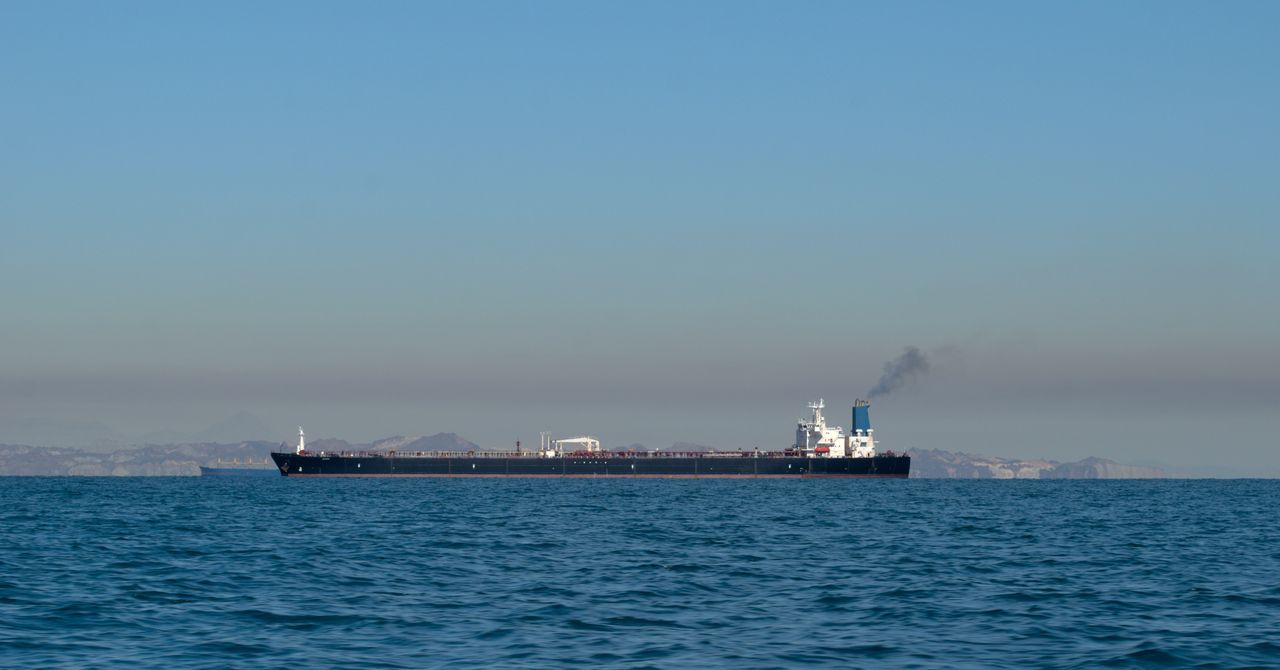
The price of Brent crude jumped to almost $80 a barrel, a nearly 13 percent increase. Experts say the disorganized US follow-through to the initial attack is introducing uncertainty. Iran controls the Strait of Hormuz, a crucial shipping route, and its closure could have a significant impact on oil prices.
Meanwhile, insurance companies have increased policies on ships traveling through the strait, and some ships have been hit by drone strikes. The region is like a garden hose, where a kink in one section can decrease output. Additionally, drone strikes have hit major oil production facilities, temporarily shooting oil prices up 15 percent.
Expert Insights
Clayton Seigle, a senior fellow at the Center for Strategic and International Studies, says the more desperate Iran becomes, the greater the likelihood it will use energy as leverage. If tankers abandon the Gulf trade in large numbers, and major oil infrastructure is damaged, we’re likely to see triple-digit crude prices again.
However, US oil producers have been facing a rough year of rock-bottom prices and unpredictable federal policies. Despite this, any disruptions to the global market that drive prices up will probably help oil companies in the US. Therefore, the next few weeks will be crucial in determining how high oil prices go.
For example, signals from the White House and the region will have a major impact on oil prices. The Iranian government’s response and the neighboring Gulf states’ involvement will also play a significant role. Furthermore, the intensity of the Iranian response and the White House’s direction will determine the long-term effect on prices.
Conclusion
In conclusion, the conflict in the Middle East is driving oil prices up, and the White House’s direction will be key in determining how high they climb. As the situation unfolds, it’s essential to monitor the signals from the White House and the region. Finally, the impact on oil prices will depend on various factors, including the Iranian government’s response and the involvement of neighboring Gulf states.
Some key points to consider include:
- The price of Brent crude has jumped to almost $80 a barrel.
- Iran controls the Strait of Hormuz, a crucial shipping route.
- Drone strikes have hit major oil production facilities, temporarily shooting oil prices up 15 percent.
Frequently asked questions about the oil price surge include:
- What is the current price of oil?
- How will the conflict in the Middle East affect oil prices?
- What is the role of the White House in determining oil prices?
- How will the Iranian government’s response impact oil prices?
- What are the potential long-term effects of the oil price surge?