
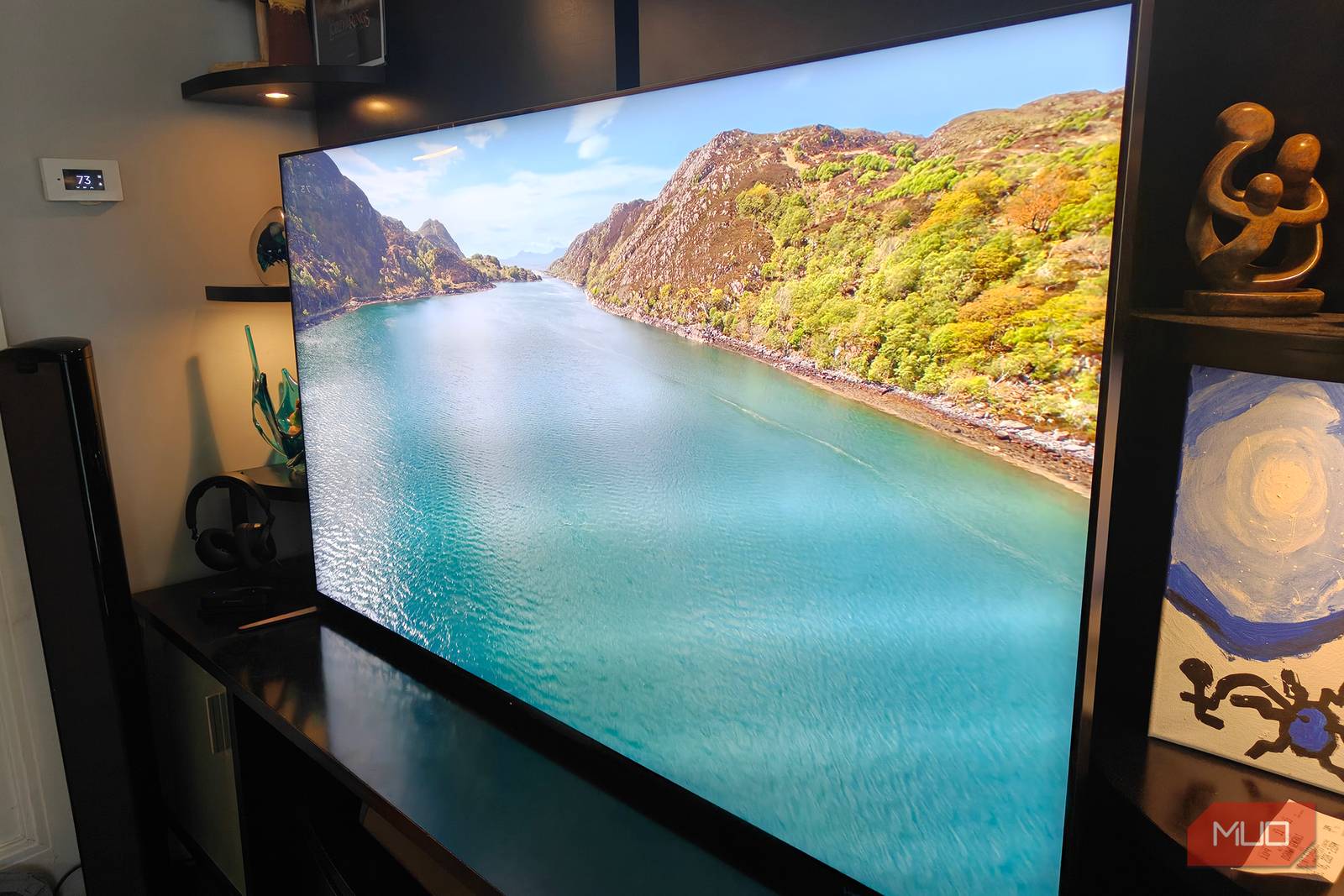
Introduction to OLED Burn-in Prevention
Meanwhile, modern OLED screens have come a long way in preventing burn-in. For example, burn-in occurs when a static image is displayed on a screen for an extended period. However, manufacturers have developed ways to prevent this issue. Additionally, these methods are often unnoticed by users.
Prevention Methods
Therefore, to prevent burn-in, OLED screens use various techniques. Firstly, they utilize pixel shifting, which slightly moves the image on the screen. Furthermore, this method reduces the risk of burn-in. Moreover, some screens use image retention compensation, which adjusts the brightness of the image to prevent burn-in.
Other Methods
Additionally, some OLED screens use a feature called logo luminance adjustment. However, this feature reduces the brightness of static logos on the screen. Meanwhile, other screens use a screen saver to prevent burn-in. For instance, the screen saver turns on after a certain period of inactivity.
Finally, to minimize burn-in, users can also take precautions. For example, they can adjust the screen’s brightness and turn off the screen when not in use. Moreover, they can also use a screen saver to prevent burn-in.
Conclusion
In conclusion, modern OLED screens have various methods to prevent burn-in. Therefore, users do not need to worry about this issue. However, they can still take precautions to minimize the risk of burn-in. Meanwhile, manufacturers continue to develop new methods to prevent burn-in.
Lastly, if you have any questions about OLED burn-in prevention, please refer to the FAQs below.
Frequently Asked Questions
- What is burn-in, and how can it be prevented?
- Do all OLED screens have burn-in prevention methods?
- Can users take precautions to minimize burn-in?
- What is pixel shifting, and how does it prevent burn-in?
- How can I adjust my screen’s brightness to prevent burn-in?








