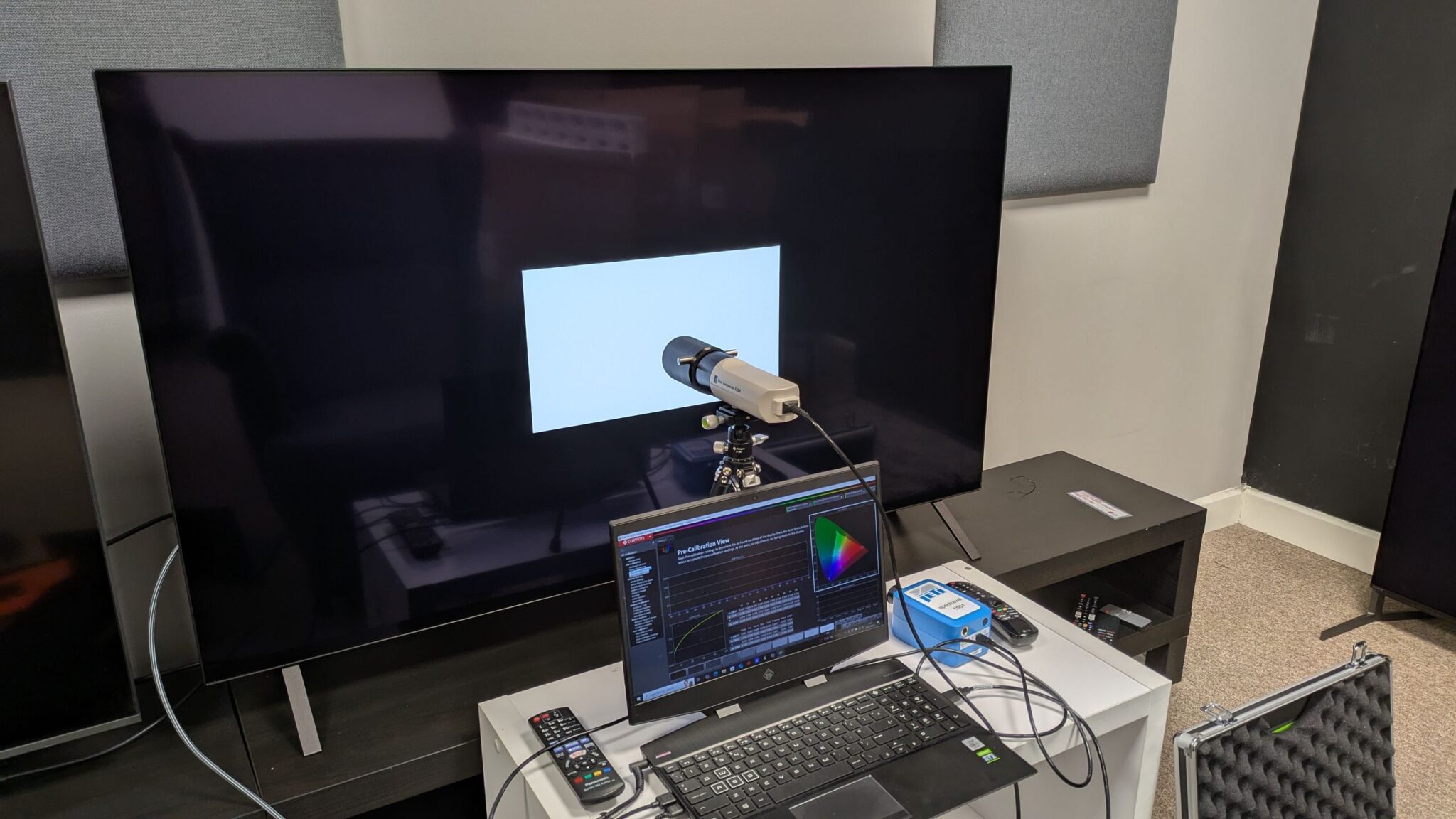
OLED TVs Take the Lead in Dimming Consistency
LG Display’s OLED panels have achieved a significant milestone, earning a certification for 100% dimming consistency from UL Solutions. This means that OLED TVs can deliver consistent brightness levels across different screen sizes and zones.
What Does Dimming Consistency Mean?
Dimming consistency refers to a TV’s ability to maintain the same level of brightness across various areas of the screen. In other words, it measures how well a TV can control its backlight to produce a consistent visual experience.
According to LG, OLED panels outperformed LCD panels in this test, with some LCDs scoring as low as 43%. However, it’s essential to note that the test may have been biased towards OLED technology, given its self-emissive nature.
How Does This Impact the TV Industry?
This certification highlights OLED as a superior technology for TV displays. With its high contrast ratio and fast response time, OLED is well-suited for applications that require precise color accuracy and high brightness levels.
However, it’s crucial to consider the competition and the test’s methodology. The absence of QD-OLED and micro-LED screens in the test raises questions about the comprehensiveness of the results.
Key Takeaways
- OLED panels have achieved 100% dimming consistency certification from UL Solutions.
- Dimming consistency is critical for a TV’s visual performance and overall viewing experience.
- OLED technology is well-suited for applications that require high contrast ratios and fast response times.
While this certification is a significant achievement for OLED TVs, it’s essential to consider the broader context and the evolving TV landscape. As new technologies emerge, the gap between OLED and other display technologies may narrow, leading to increased competition and innovation in the industry.
Conclusion
In conclusion, the 100% dimming consistency certification of OLED TVs is a notable achievement that highlights the technology’s strengths. However, it’s crucial to approach this development with a nuanced perspective, recognizing both the benefits and limitations of OLED technology.
As the TV industry continues to evolve, we can expect to see further advancements in display technology, driving innovation and improvement in the visual experience. For now, OLED TVs remain a top choice for those seeking exceptional picture quality and consistency.
Frequently Asked Questions
- What is dimming consistency, and why is it important for TVs? Dimming consistency refers to a TV’s ability to maintain consistent brightness levels across different areas of the screen, which is critical for a high-quality visual experience.
- How does OLED technology achieve 100% dimming consistency? OLED panels use self-emissive pixels, which allow for precise control over brightness levels and enable the achievement of 100% dimming consistency.
- What are the implications of this certification for the TV industry? This certification highlights OLED as a superior technology for TV displays and may drive further innovation and competition in the industry.
- How does this development impact the consumer’s viewing experience? The 100% dimming consistency certification of OLED TVs means that consumers can expect a more consistent and immersive visual experience when watching their favorite content.
- What are the potential limitations of OLED technology? While OLED TVs offer exceptional picture quality, they may be more expensive than other display technologies, and their lifespan may be affected by factors such as image retention.