
OpenAI Amends Defense Department Deal to Ban Mass Surveillance
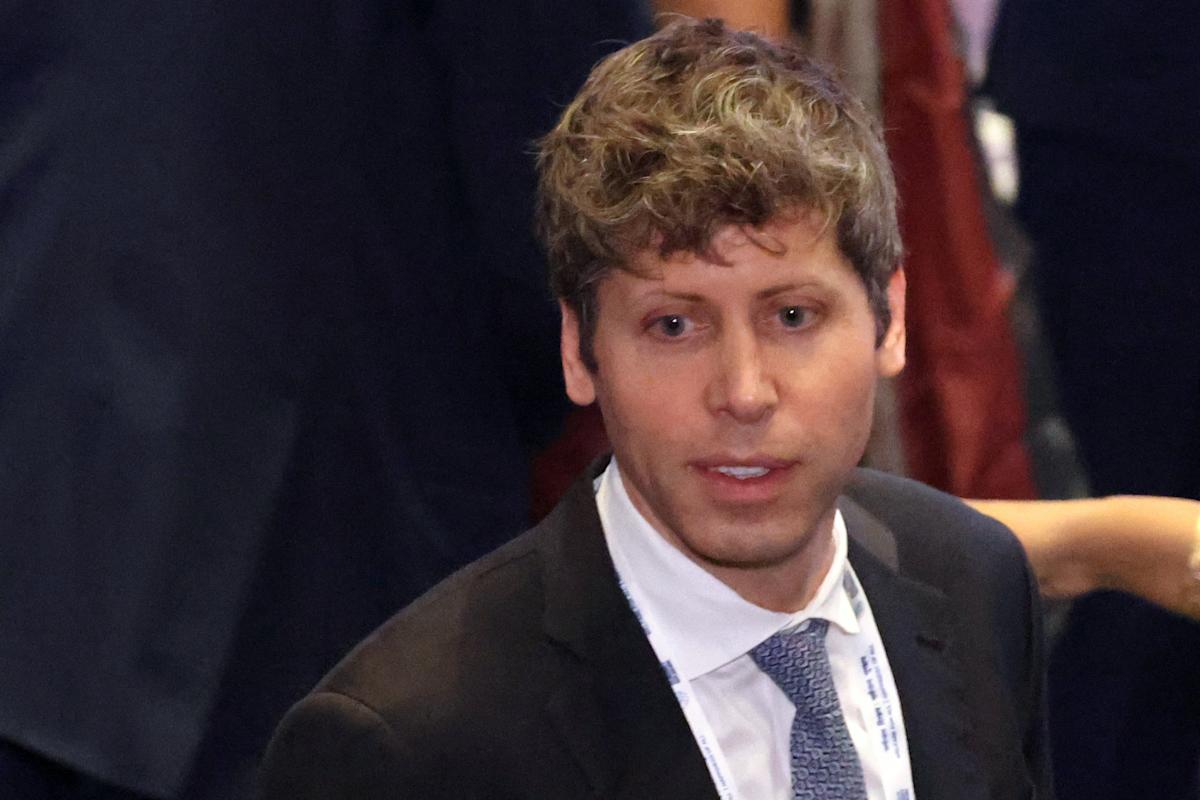
OpenAI CEO Sam Altman has confirmed the company will revise its partnership with the U.S. Department of Defense to explicitly prohibit the use of its AI systems for mass surveillance of Americans. The update, shared in an internal memo, adds legal safeguards aligning with the Fourth Amendment and FISA Act of 1978.
Key Provisions in the Revised Agreement
The revised language states: "The AI system shall not be intentionally used for domestic surveillance of U.S. persons and nationals." This includes bans on:
- Deliberate tracking of U.S. citizens
- Surveillance via commercially acquired personal data
- Use by intelligence agencies without contractual modifications
Altman’s Stance on Constitutional Boundaries
In the memo, Altman emphasized that OpenAI would reject unconstitutional orders, stating, "I would rather go to jail than follow an unconstitutional directive." The CEO also admitted the original agreement announcement on February 27 was rushed due to the complexity of the issues involved.
Context: Anthropic’s Stance and Market Reactions
The move follows Anthropic’s refusal to remove AI guardrails for the Department of Defense. After President Trump ordered a government-wide ban on Anthropic’s Claude AI, the company gained 295% more uninstalls for ChatGPT. Anthropic capitalized on its popularity by launching a memory import tool to ease user transitions.
Supply Chain Risk Designation
The Defense Department had labeled Anthropic a "supply chain risk," a designation typically reserved for Chinese firms. Altman urged the department to extend OpenAI’s safeguards to Anthropic, stating, "If their agreement was the same, they should have agreed."
Market Impact and Public Response
Anthropic’s Claude surged to #1 on the App Store’s Top Free Apps chart, surpassing ChatGPT and Google Gemini. OpenAI’s revised terms aim to rebuild trust while maintaining national security collaboration.
Altman’s Transparency Efforts
Altman shared the memo publicly on X, stressing the need for "clear communication" about AI ethics. He acknowledged the partnership’s timing appeared opportunistic but clarified the goal was to "de-escalate tensions" after Anthropic’s refusal to comply with similar demands.
Conclusion: Balancing Innovation and Ethics
OpenAI’s revised agreement sets a precedent for responsible AI deployment in defense. As AI ethics debates intensify, companies must balance innovation with constitutional safeguards. What are your thoughts on AI’s role in national security? Share your perspective in the comments.
5 FAQs About the OpenAI Defense Department Deal
- What does the OpenAI Defense Department deal prohibit? The agreement bans intentional domestic surveillance of U.S. persons and nationals using OpenAI systems.
- How does the revised language protect privacy? It aligns with the Fourth Amendment and FISA Act, explicitly blocking surveillance via commercial data.
- Why did Anthropic refuse the Department of Defense’s demands? Anthropic rejected removing AI guardrails to prevent mass surveillance and autonomous weapons development.
- What triggered the Anthropic-OpenAI rivalry? President Trump’s ban on Anthropic’s Claude AI after the company refused to comply with defense requests.
- How did the public react to OpenAI’s revised terms? Anthropic gained popularity, while ChatGPT uninstalls spiked 295% as users shifted to competing platforms.








