
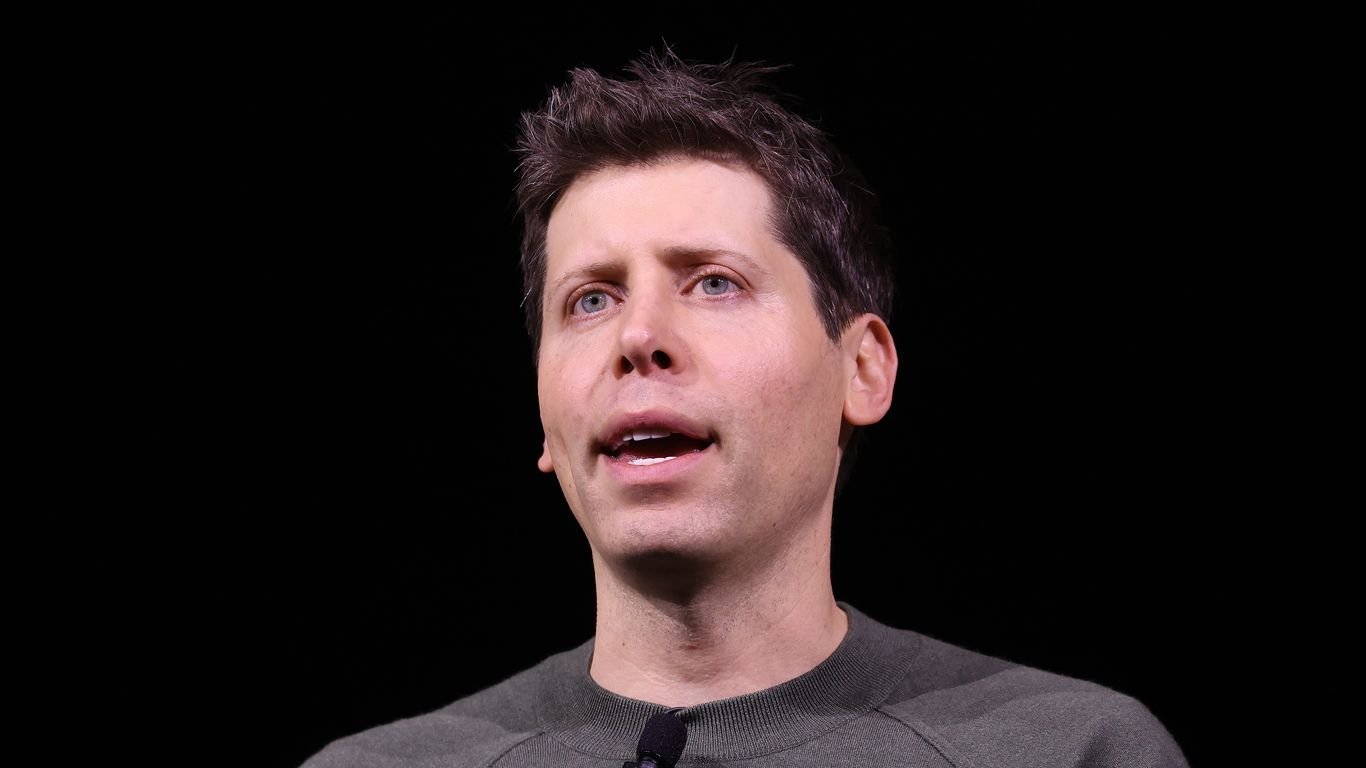
OpenAI and DOD Agree on Surveillance Protections
OpenAI and the Department of Defense (DOD) have agreed to add more surveillance protections to their recent AI deal.
What Does This Mean for Surveillance?
The agreement aims to strengthen the contract, following widespread backlash over domestic mass surveillance concerns.
However, some experts argue that the new protections may not be enough to prevent surveillance.
Key Takeaways
- OpenAI and DOD have agreed to add more surveillance protections to their AI deal.
- The new protections aim to prevent domestic mass surveillance.
- Some experts are skeptical about the effectiveness of the new protections.
Meanwhile, OpenAI CEO Sam Altman has admitted that the company made a ‘sloppy’ mistake in the original deal.
Additionally, the company has announced plans to amend the deal to include stronger language on surveillance protections.
Conclusion
In conclusion, the agreement between OpenAI and DOD is a step towards addressing surveillance concerns.
However, it remains to be seen whether the new protections will be effective in preventing surveillance.
Therefore, it is essential to continue monitoring the situation and advocating for stronger protections.
Frequently Asked Questions
- What is the main concern with the OpenAI and DOD deal?
The main concern is the potential for domestic mass surveillance.
- What have OpenAI and DOD agreed to do?
They have agreed to add more surveillance protections to their AI deal.
- What are the key takeaways from the agreement?
The key takeaways are that OpenAI and DOD have agreed to add more surveillance protections, the new protections aim to prevent domestic mass surveillance, and some experts are skeptical about the effectiveness of the new protections.
- What has OpenAI CEO Sam Altman said about the original deal?
He has admitted that the company made a ‘sloppy’ mistake in the original deal.
- What is the next step for OpenAI and DOD?
The next step is to amend the deal to include stronger language on surveillance protections.








