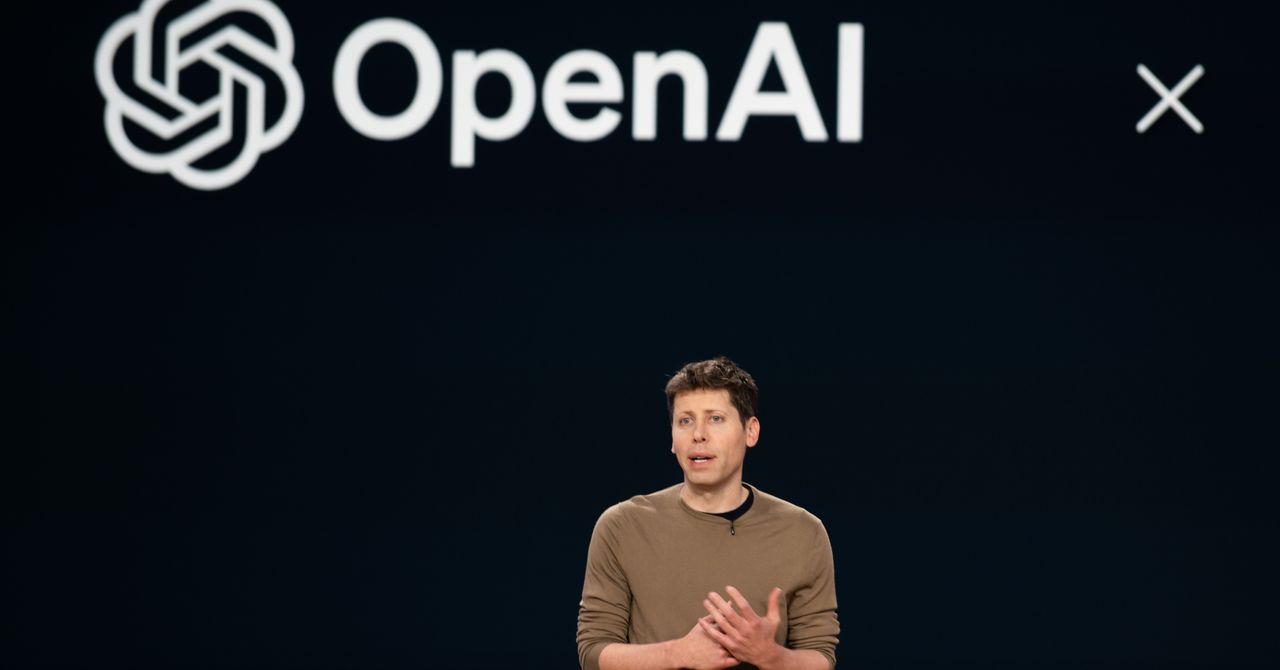
OpenAI London Expansion: A New Era for AI Research
OpenAI, the San Francisco-based AI lab, has announced a major expansion of its London office, positioning it as its largest research hub outside the United States. This strategic move intensifies competition with Google DeepMind for top AI talent in the UK and signals a growing emphasis on safety and innovation in AI development.
Strategic Move to Compete with DeepMind
Mark Chen, OpenAI’s chief research officer, emphasized the UK’s unique strengths in AI research: “The UK brings together world-class talent and leading scientific institutions, making it ideal for advancing safe and beneficial AI.” The expansion directly challenges Google DeepMind, which has long partnered with Oxford and Cambridge universities to fund research and sponsor professorships.
Jonathan Black, Oxford University’s careers director, noted the surge in demand for AI talent: “Both researchers and companies are scaling rapidly. OpenAI’s growth is a positive sign for the ecosystem.”
Building a Talent Pipeline from UK Universities
OpenAI’s London team will recruit early-career researchers from UK universities, fostering a “flywheel effect” where new talent spawns future labs. Tom Wilson of Seedcamp explains: “Second-order impacts—like startups and new research hubs—can amplify OpenAI’s initial hires far beyond the immediate team.”
- Focus Areas: Safety, reliability, and performance evaluation of models like GPT-5.2.
- Infrastructure Push: The UK government is investing in data centers and power grids to meet AI companies’ compute demands.
- Policy Support: UK Science Secretary Liz Kendall called the expansion “a vote of confidence in the UK’s leadership in AI.”
Impact on the Global AI Landscape
The expansion underscores the UK’s role as a hub for cutting-edge AI research. By prioritizing safety and collaboration with academia, OpenAI aims to address ethical challenges while accelerating innovation. Meanwhile, DeepMind’s existing partnerships with Oxford and Cambridge will likely respond with countermeasures to retain top talent.
What This Means for Researchers
For UK students and professionals, the competition between OpenAI and DeepMind creates more opportunities. As Black observed, “Careers fairs are packed with AI roles. The ecosystem is evolving fast, and OpenAI’s growth is a welcome boost.”
Conclusion: A Competitive Future for AI
OpenAI’s London expansion is more than a hiring spree—it’s a strategic investment in the UK’s AI future. By tapping into local talent and infrastructure, the company aims to shape the next generation of AI while competing fiercely with rivals like DeepMind. The ripple effects of this move could redefine the global AI landscape for years to come.
FAQs
1. How is OpenAI’s London expansion impacting UK AI research?
The expansion accelerates competition with DeepMind, drives investment in infrastructure, and creates opportunities for UK researchers to lead in AI safety and innovation.
2. Why is the UK a key location for AI research?
The UK’s world-class universities, strong academic partnerships, and government support make it a hub for attracting top AI talent and fostering innovation.
3. What projects will OpenAI’s London team work on?
The team will focus on model safety, reliability, and performance evaluation for systems like GPT-5.2, ensuring AI benefits society responsibly.
4. How does this expansion affect AI startups in the UK?
By creating a talent pipeline and boosting infrastructure, OpenAI’s growth could inspire new startups and research labs in the UK.
5. What challenges does OpenAI face in London?
Competition with DeepMind, reliance on academic partnerships, and the need to balance innovation with ethical AI development remain key challenges.
Stay tuned for more updates on AI trends and how they shape the future of technology.