
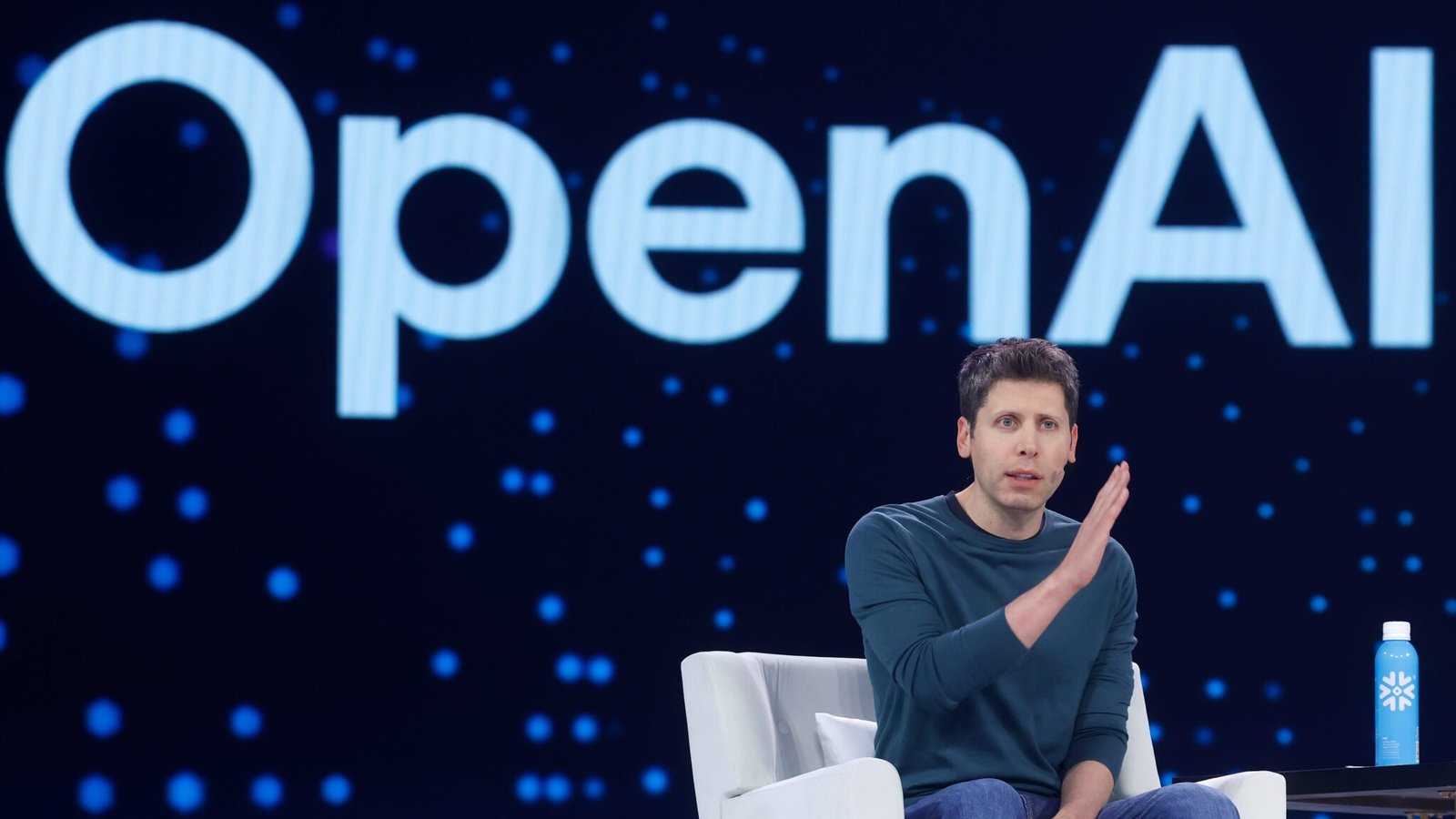
Introduction: A Game-Changer in AI Funding
OpenAI’s recent $110 billion funding deal has sent shockwaves through the tech world. This unprecedented investment not only solidifies OpenAI’s position as a leader in artificial intelligence but also raises critical questions about the future of AI innovation, competition, and regulation. As the largest funding round in tech history, this deal signals a new era for AI development—and its implications are far-reaching.
The $110B Milestone: OpenAI’s Strategic Move
Why This Funding Matters
OpenAI’s funding deal, led by Microsoft and including investors like Saudi Arabia’s Public Investment Fund, marks a turning point. The investment provides OpenAI with the resources to scale its research, develop advanced AI models, and compete globally. For context, this amount dwarfs previous tech funding rounds, such as SoftBank’s $100 billion Vision Fund.
Microsoft’s Role in the Partnership
Microsoft’s involvement is strategic. By backing OpenAI, Microsoft gains exclusive access to cutting-edge AI models like GPT-4, which powers tools like GitHub Copilot and Azure AI. This partnership strengthens Microsoft’s cloud infrastructure and positions it as a key player in the AI-driven future.
Implications for AI Innovation and Competition
Accelerating AI Breakthroughs
With $110 billion at its disposal, OpenAI can invest in long-term research projects, such as AGI (artificial general intelligence), and reduce reliance on short-term commercial goals. This funding may lead to faster advancements in areas like healthcare, climate modeling, and autonomous systems.
Competing with Rivals
OpenAI’s funding deal intensifies competition with rivals like Google DeepMind and Anthropic. While Google has invested heavily in AI, OpenAI’s financial backing gives it a significant edge in attracting top talent and securing computational resources.
Ethical and Regulatory Challenges Ahead
AI Governance Concerns
Such massive funding raises ethical questions. Critics argue that OpenAI’s non-profit structure may not align with the interests of its for-profit investors. Additionally, the U.S. government has expressed concerns about AI safety and the need for regulatory frameworks to prevent misuse.
Global AI Race
China’s state-backed AI initiatives and the EU’s AI Act highlight the global stakes. OpenAI’s funding deal could shift the balance of power, but it also underscores the need for international collaboration to address AI risks like bias, job displacement, and security threats.
What This Means for the Future of AI
OpenAI’s $110 billion funding deal is more than a financial milestone—it’s a catalyst for the next phase of AI evolution. While the potential for innovation is immense, stakeholders must prioritize ethical guidelines and regulatory oversight to ensure AI benefits society. As OpenAI and Microsoft push boundaries, the world watches closely to see how this partnership shapes the future.








