OpenAI Strikes Pentagon AI Deal After Anthropic Exit
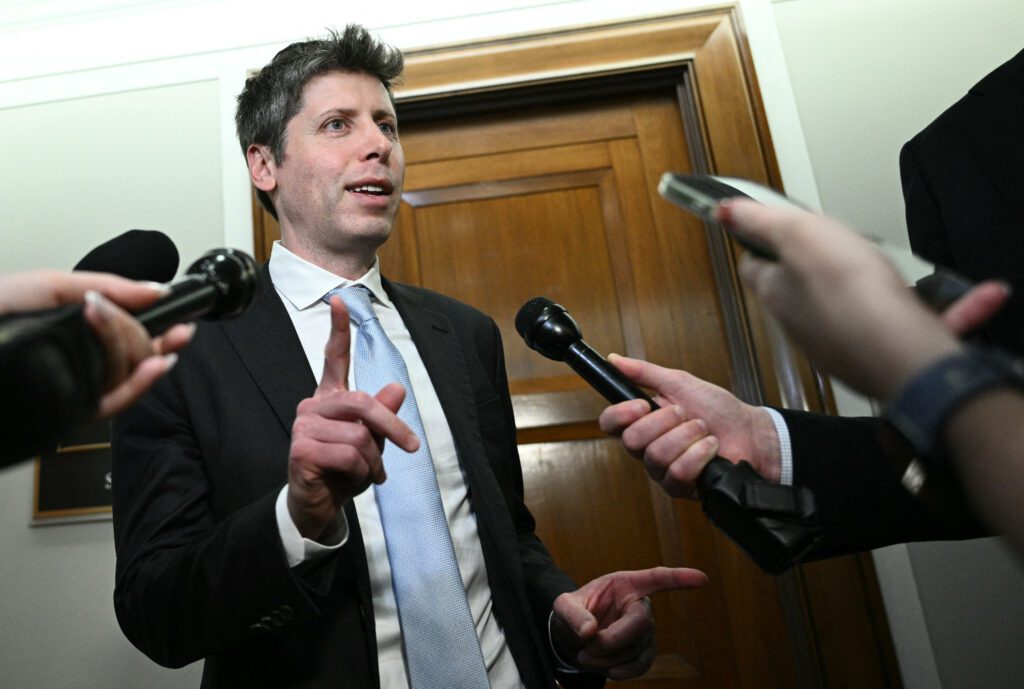
Sam Altman, OpenAI’s CEO, announced a groundbreaking partnership with the Pentagon on February 28, 2026, just hours after President Donald Trump ordered a ban on Anthropic’s AI services. This move marks a pivotal moment in the debate over AI ethics and military applications, with OpenAI securing a contract to supply AI to classified U.S. military networks.
Anthropic’s Exit and the Pentagon’s Dilemma
Anthropic, developer of the Claude AI system, had previously attempted to negotiate with the Pentagon. However, the company refused to loosen its ethical guidelines, which prohibit AI use for mass surveillance or autonomous weapons. Trump’s administration responded by halting all federal use of Anthropic’s technology, citing constitutional concerns.
Key Points from Anthropic’s Stance
- Refused to allow AI for domestic surveillance
- Opposed autonomous weapons systems
- Claimed no government mission had been hindered by these restrictions
OpenAI’s Principles and the New Agreement
Altman emphasized that OpenAI’s deal with the Pentagon includes strict safeguards. The company reiterated its core principles: no domestic mass surveillance and no autonomous lethal weapons. These terms align with existing U.S. laws and policies, ensuring human oversight in high-stakes decisions.
OpenAI’s Public Commitments
- Human responsibility for force-related decisions
- Prohibition on AI use for unlawful or cloud-incompatible purposes
- Collaboration with the Pentagon to avoid legal conflicts
Pentagon’s Strategic Push
The U.S. military has been actively seeking AI partnerships to enhance national security. By targeting OpenAI and Google, the Pentagon aims to bypass Anthropic’s ethical constraints. However, this approach has sparked industry-wide concerns about potential divisions among AI companies.
Industry Reactions
- Over 500 OpenAI and Google employees signed a letter opposing the Pentagon’s tactics
- Altman urged the Pentagon to apply consistent terms to all AI firms
- Anthropic reiterated its refusal to compromise on ethical principles
What This Means for AI Ethics
OpenAI’s deal highlights the growing tension between national security needs and ethical AI development. While the company has secured a $110 billion funding round, its success in negotiating ethical boundaries sets a precedent for the industry. Meanwhile, Anthropic’s stance reinforces the importance of corporate responsibility in AI innovation.
Conclusion: A New Era for AI Governance
The OpenAI-Pentagon partnership signals a shift in how governments and tech firms navigate AI ethics. As debates over autonomous weapons and surveillance continue, companies must balance innovation with accountability. What are your thoughts on AI’s role in national security? Share your perspective in the comments below.
FAQs
What are the key terms of the OpenAI Pentagon AI deal?
The agreement prohibits AI use for domestic surveillance and autonomous weapons, aligning with U.S. laws and Pentagon policies.
Why did the Pentagon drop Anthropic’s AI services?
Anthropic refused to allow its AI for mass surveillance or autonomous weapons, leading Trump to halt all federal use of its technology.
How does OpenAI ensure ethical AI deployment?
OpenAI mandates human oversight for high-stakes decisions and prohibits unlawful or unethical uses of its systems.
What funding has OpenAI secured?
OpenAI raised $110 billion in a funding round valuing the company at $840 billion.
How are other AI companies responding to Pentagon pressure?
Over 500 employees from OpenAI and Google signed a letter opposing the Pentagon’s attempts to divide the industry.