OpenAI’s Competitive Strategy in 2026: Navigating the AI Landscape
As the AI industry evolves at breakneck speed, OpenAI faces a critical question: How will OpenAI compete? With rivals like Anthropic, Google, and Meta pushing boundaries, OpenAI must balance innovation with practical product development. This article explores the strategic challenges and opportunities shaping OpenAI’s future.
The Four Strategic Challenges OpenAI Faces
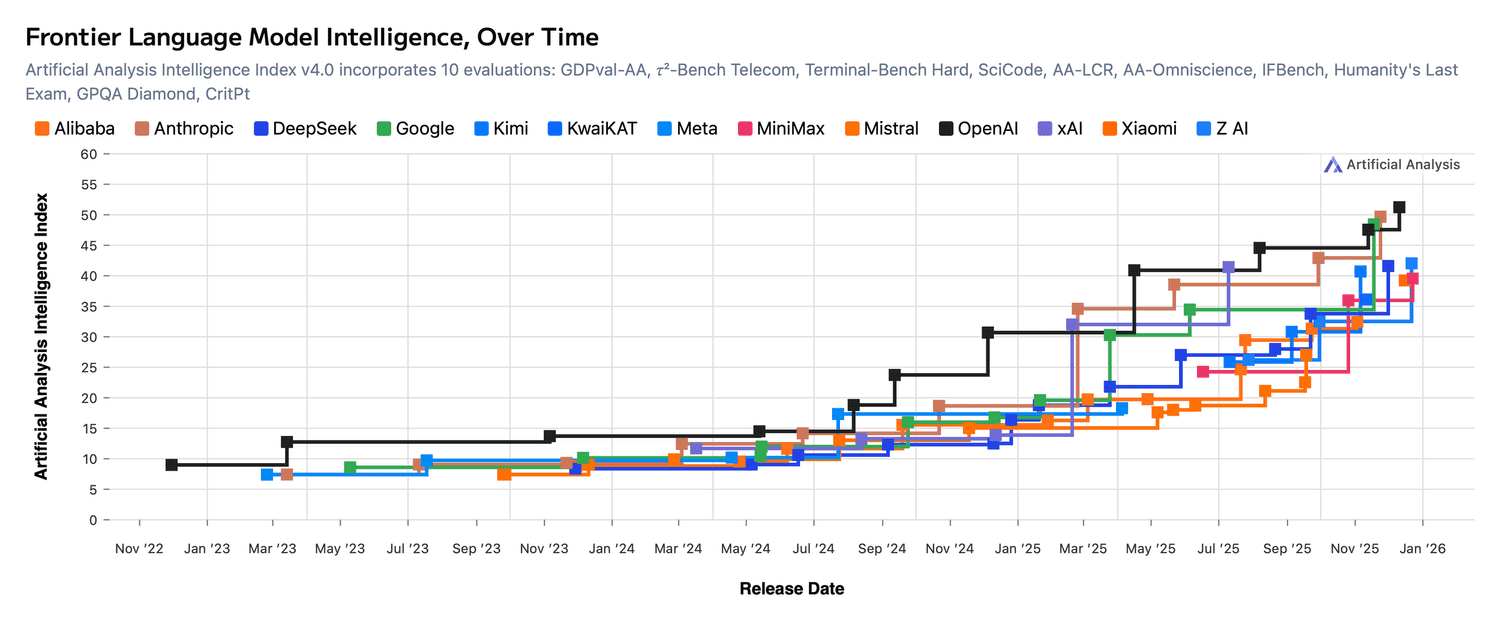
OpenAI’s journey is defined by four key hurdles. First, despite its groundbreaking models, the company lacks a clear competitive edge. Its user base is vast but engagement remains shallow—most users interact infrequently, and no network effects solidify its position. Second, the AI market is rapidly shifting as startups and tech giants alike experiment with new features and business models, threatening to commoditize foundation models.
1. The Product-Market Fit Dilemma
OpenAI’s models attract millions, but translating this into durable consumer products remains elusive. Unlike Apple’s iOS or Google Search, which created self-reinforcing ecosystems, OpenAI’s tools lack stickiness. Only 5% of ChatGPT users pay for premium access, and most engage sporadically—averaging less than three prompts per day.
2. The Innovation-Execution Gap
As Fidji Simo, OpenAI’s Head of Product, notes: “I open my email and discover the labs have worked something out, and my job is to turn that into a button.” This highlights a core tension: while OpenAI excels at research, turning breakthroughs into user-friendly products requires a different skill set. Competitors like Google and Apple have existing platforms to leverage; OpenAI must build its own from scratch.
Why OpenAI’s Position is Unique
Despite these challenges, OpenAI holds two critical advantages. First, it pioneered the large language model (LLM) revolution, setting the technical agenda for the industry. Second, its 800+ million users form a massive, albeit underutilized, dataset. However, this dataset’s value depends on turning casual users into daily adopters—a feat no AI company has mastered yet.
The Capital-Intensive Reality
Developing cutting-edge models requires astronomical resources. OpenAI’s competitors—Meta, Google, and Microsoft—have established revenue streams to fund AI bets. OpenAI, meanwhile, must balance innovation with financial sustainability. As Sam Altman acknowledges, the company is racing to secure “durable strategic positions” before the market stabilizes.
What OpenAI Can Do Differently
To stay ahead, OpenAI must focus on three areas:
- Product Stickiness: Introduce features like persistent memory or personalized experiences to deepen engagement.
- Enterprise Partnerships: Expand beyond consumer tools by offering tailored solutions for businesses.
- Strategic Acquisitions: Acquire startups with proven product-market fit to accelerate development.
Learning from the Past
Steve Jobs’ wisdom—”Start with the customer experience, not the technology”—offers a roadmap. OpenAI must prioritize user needs over technical novelty. For example, while continuous learning could create network effects, practical solutions like integrating with enterprise systems (e.g., Salesforce, SAP) might yield faster wins.
Conclusion: The Road Ahead for OpenAI
The AI arms race shows no signs of slowing. For OpenAI to thrive, it must bridge the gap between research and product, leverage its user base strategically, and adapt to a market where first-mover advantage is eroding. The next 12-18 months will determine whether OpenAI remains a leader or becomes just another player in the AI ecosystem.
What’s your take? Share your thoughts in the comments below!
FAQs
1. How will OpenAI compete with Google and Meta in 2026?
OpenAI must focus on product innovation, enterprise partnerships, and user engagement to maintain its edge. While competitors have stronger financial backing, OpenAI’s first-mover advantage and research prowess offer unique opportunities.
2. Can OpenAI create a network effect like iOS or Google Search?
Currently, no. Foundation models lack the self-reinforcing dynamics of platforms like iOS. However, breakthroughs in continuous learning or proprietary data access could change this.
3. Why is user engagement a problem for OpenAI?
Most ChatGPT users interact infrequently, averaging less than three prompts per day. This limits data feedback loops and makes it harder to build stickiness compared to social media platforms.
4. How does OpenAI plan to monetize its user base?
OpenAI is expanding into enterprise solutions and premium features. However, only 5% of users currently pay for access, indicating significant untapped potential.
5. What role does Sam Altman play in OpenAI’s strategy?
Altman is actively seeking to secure “durable strategic positions” by accelerating product development, forming partnerships, and exploring new revenue streams to ensure long-term competitiveness.