
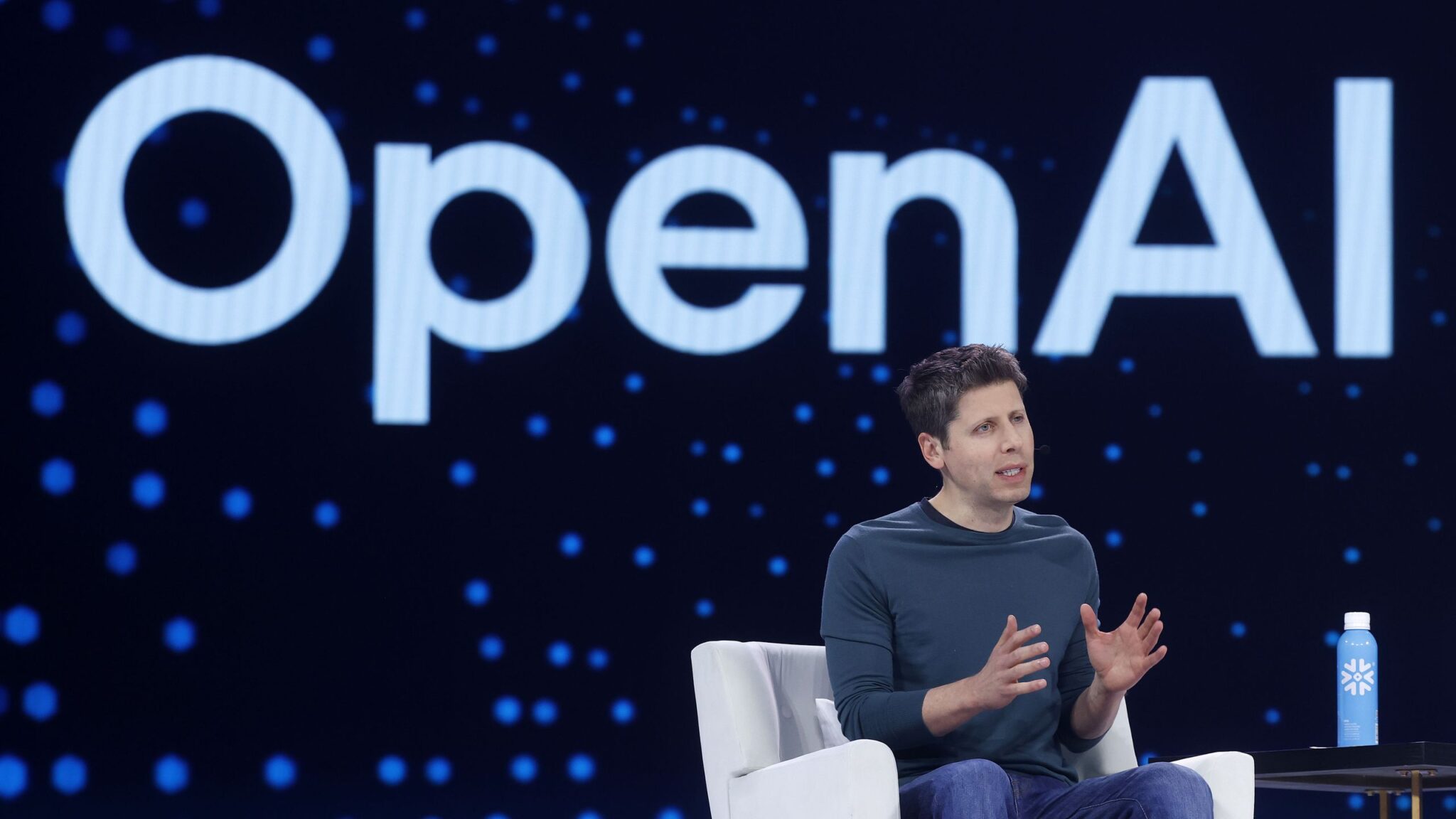
OpenAI’s Deal with US Military Sparks Outrage Among ChatGPT Users
OpenAI, the company behind ChatGPT, has signed a deal with the US Department of War, sparking outrage among its users. The move has led to a growing number of people canceling their ChatGPT subscriptions and switching to other AI chatbots.
What’s Behind the Backlash?
The backlash stems from concerns over the ethics of AI and its potential use in military operations. Anthropic, another AI company, had previously raised security and safety concerns and walked away from a similar deal with the US Department of War.
However, OpenAI claims that its deal with the US military has more guardrails in place, including around mass surveillance and fully autonomous weapons. Despite this, ChatGPT users are not convinced, particularly with the “all lawful purposes” language used in the deal.
Implications and Alternatives
The controversy has led to a surge in popularity for alternative AI chatbots, such as Claude. Meanwhile, some Redditors are posting guides on how to extract data from ChatGPT and switch to other platforms.
As the debate over AI ethics continues, one thing is clear: the use of AI in military operations is a highly contentious issue. While OpenAI believes that the US military should have access to the best tools available, others argue that this poses significant risks and raises important questions about accountability and transparency.
Ultimately, the decision to use AI in military operations is a complex one, requiring careful consideration of the potential consequences. As the use of AI continues to evolve, it’s essential to prioritize ethics and ensure that these technologies are developed and used responsibly.
Conclusion
In conclusion, the deal between OpenAI and the US Department of War has sparked a heated debate over AI ethics. While OpenAI claims to have guardrails in place, the use of AI in military operations raises important questions about accountability, transparency, and the potential risks involved.
As the conversation around AI ethics continues, it’s essential to prioritize responsible development and use of these technologies. By doing so, we can ensure that AI is used for the greater good, while minimizing its potential risks and negative consequences.








