
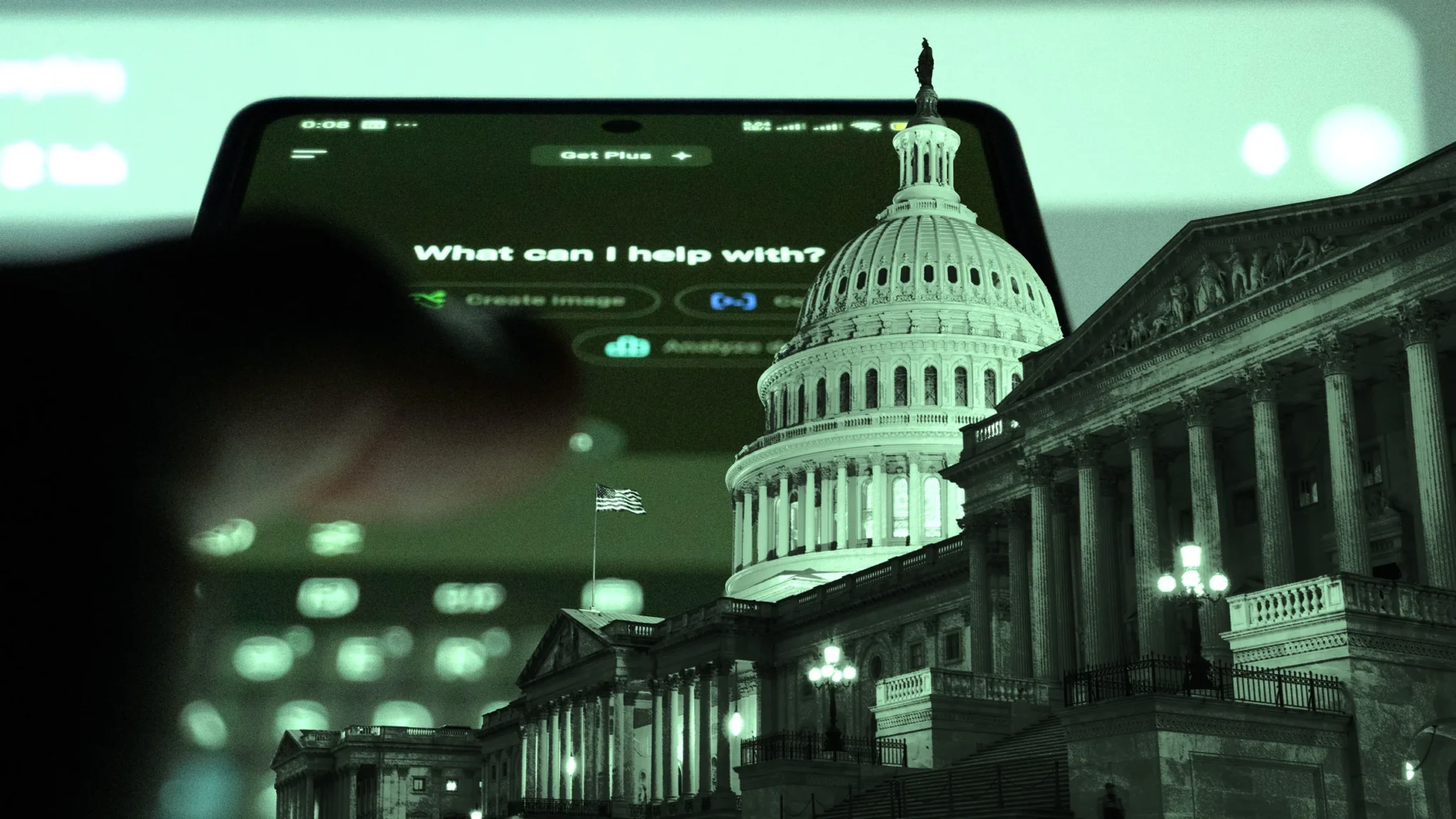
OpenAI’s Government Partnership: Challenges and Opportunities
OpenAI has become a key player in the U.S. government’s artificial intelligence (AI) strategy. With 37 federal agencies now using its technology and 80,000 government employees actively engaged, the company is navigating a complex but mission-critical partnership. While government contracts offer symbolic value and strategic advantages, they also present unique hurdles—from cybersecurity demands to political sensitivities. Let’s explore how OpenAI balances these challenges while advancing its mission to democratize AI.
Why Government Partnerships Matter for OpenAI
For OpenAI, working with the U.S. government isn’t just about revenue. The company’s mission as a public benefit corporation focuses on ensuring artificial general intelligence (AGI) benefits humanity. Government collaboration aligns with this goal by expanding access to cutting-edge AI tools for public service. However, the financial incentives are minimal. OpenAI offers ChatGPT to federal agencies at near-zero cost, prioritizing adoption over profit.
Strategic Advantages of Government Access
- Fast-Track Cloud Integration: OpenAI, alongside competitors like Perplexity and Google, has secured government-approved cloud access to accelerate AI deployment.
- Symbolic Influence: Even a small fraction of federal users amplifies OpenAI’s visibility and credibility in the AI ecosystem.
- Policy Shaping: Early adoption by agencies like the Department of Homeland Security helps define AI governance frameworks.
Navigating Government Contracting Challenges
Despite the benefits, federal contracts are notoriously difficult. OpenAI’s government sales lead, Felipe Millon, acknowledges the logistical hurdles: “It’s absolutely very hard.” From cybersecurity compliance to outdated procurement rules, the process is slow and resource-intensive. Federal agencies also operate under tighter budgets and slower tech adoption cycles compared to the private sector.
Political and Ethical Risks
Working with government agencies carries reputational risks. For example, partnerships with polarizing departments like the Department of Homeland Security have sparked internal backlash among tech workers. Additionally, the Pentagon’s reliance on Anthropic’s Claude AI highlights how government demands can escalate into conflicts. The Pentagon now threatens to label Anthropic a “supply chain risk” unless it agrees to unlimited usage terms—a scenario OpenAI aims to avoid.
OpenAI’s Mission-Driven Approach
OpenAI’s government strategy is rooted in its public benefit mission. As Millon explains, “If you want to think of it purely from a financial perspective, the reason is very mission-aligned.” By providing free or discounted AI tools to federal agencies, OpenAI ensures broader access to transformative technology. This approach aligns with its long-term vision of AGI benefiting all humanity.
Key Considerations for Federal Adoption
- Cost Efficiency: OpenAI’s low-cost model helps agencies test AI capabilities without significant investment.
- Scalability: The company’s cloud infrastructure supports rapid deployment across multiple agencies.
- Trust Building: Demonstrating reliability with government users strengthens OpenAI’s position in the AI market.
Future Outlook for OpenAI and the Government
While OpenAI’s government partnership is still in its early stages, the company is focused on long-term impact. Millon emphasizes that “government sales will never be a large percentage of our revenue.” Instead, the priority is fostering innovation in public sectors—from healthcare to defense—where AI can drive meaningful change.
However, success depends on addressing ongoing challenges. OpenAI must continue refining its cybersecurity protocols, navigating political sensitivities, and proving the value of its tools to risk-averse agencies. For now, the partnership remains a strategic bet on the future of AI governance.
What’s Next for OpenAI?
OpenAI plans to expand its government offerings while maintaining its mission-driven focus. By 2025, the company aims to:
- Onboard 50+ new federal agencies to its AI platform.
- Launch a dedicated government support team to streamline adoption.
- Develop AI tools tailored to public sector needs (e.g., policy analysis, disaster response).
Conclusion: Balancing Mission and Practicality
OpenAI’s government partnership is a high-stakes endeavor. While the financial returns are limited, the strategic and symbolic value is immense. By prioritizing mission alignment over profit, OpenAI is positioning itself as a leader in responsible AI adoption. For federal agencies, this collaboration offers a rare opportunity to harness cutting-edge technology at minimal cost.
Stay tuned for updates on OpenAI’s government initiatives and how they shape the future of AI governance.
FAQs
What challenges does OpenAI face in its government partnership?
OpenAI must navigate cybersecurity requirements, political sensitivities, and slow federal procurement processes. Agencies also operate under tighter budgets, making cost-effective solutions critical.
How does OpenAI ensure its AI tools align with public sector needs?
The company works closely with agencies to develop tailored solutions, such as AI for policy analysis or disaster response. Its mission-driven approach prioritizes accessibility and ethical use.
Why is the U.S. government a key market for OpenAI?
Government adoption amplifies OpenAI’s influence in AI governance and policy. It also provides a platform to demonstrate the societal benefits of AI technology.
What risks come with partnering with federal agencies?
Political backlash, reputational damage from controversial departments, and conflicts over usage terms (as seen with Anthropic) pose significant risks.
How can other AI companies replicate OpenAI’s government strategy?
Focus on mission alignment, offer cost-effective solutions, and build trust through transparency. Prioritize long-term impact over short-term gains.








