Introduction to OpenAI’s Pentagon Agreement
OpenAI has recently announced its agreement with the Pentagon, sparking debate about AI safety and job disruption. The deal aims to deploy OpenAI’s models on the Pentagon’s network, raising concerns among experts and the public alike.
Understanding the Agreement
The agreement includes provisions for autonomous AI weapons and human oversight. However, some experts argue that these provisions are not sufficient, and the deal may have unintended consequences.
Key Provisions and Concerns
Some of the key provisions include:
- Autonomous AI weapons will not be used independently in cases where law, regulation, or Department policy requires human control.
- The AI system will be used for lawful purposes only.
Experts like Alan Rozenshtein and Mike Darlington have expressed concerns that these provisions may not be enough to prevent misuse.
Implications and Future Directions
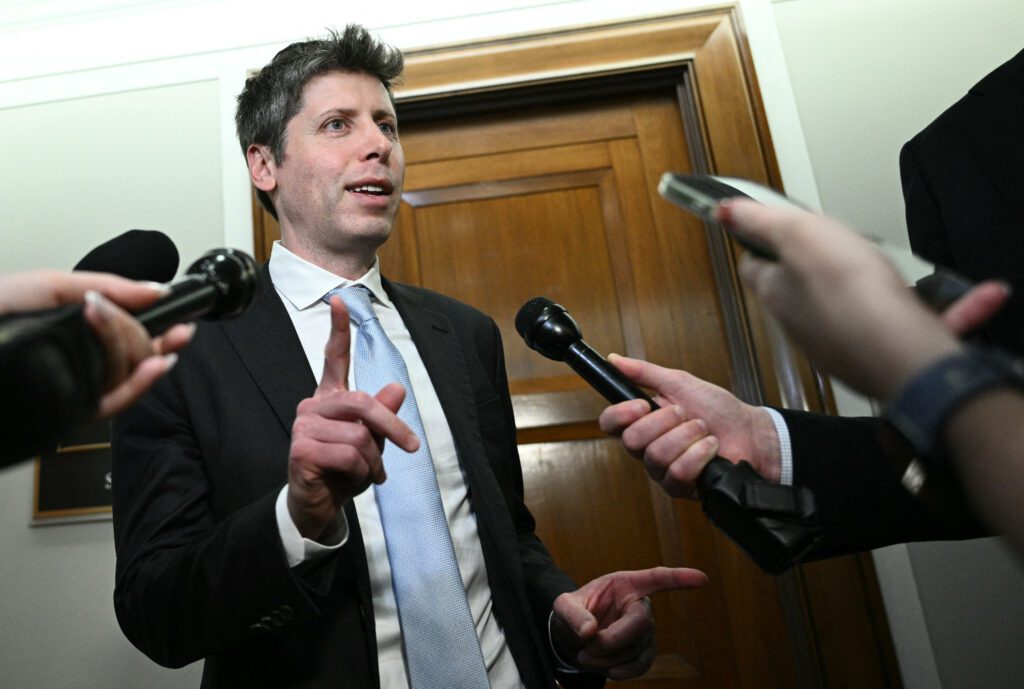
The deal has significant implications for the future of AI development and deployment. As Sam Altman notes, the agreement may lead to a de-escalation between the DoW and the industry, but it also raises questions about the role of AI in military operations.
Conclusion and Call to Action
In conclusion, OpenAI’s Pentagon agreement is a complex issue with far-reaching implications. As we move forward, it is essential to consider the potential consequences of AI development and deployment. We must prioritize transparency, accountability, and safety in AI research and application.
For more information, please visit our website or contact us directly.
Frequently Asked Questions
- What is the main purpose of OpenAI’s Pentagon agreement?
- How will the agreement impact AI development and deployment?
- What are the key provisions of the agreement?
- What are the potential risks and benefits of the agreement?
- How can I stay informed about the latest developments in AI research and application?