OpenAI’s Role in Pentagon AI Use Explained
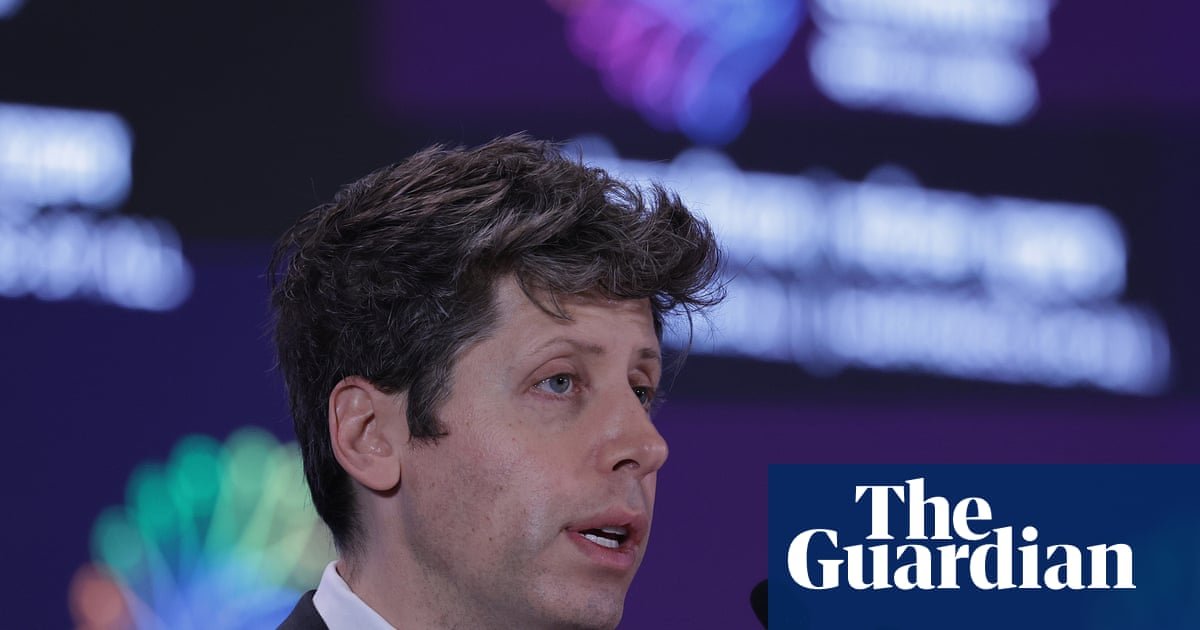
Sam Altman, CEO of OpenAI, recently admitted that his company cannot control how the U.S. Pentagon uses its artificial intelligence (AI) technology in military operations. This revelation has sparked intense debate about the ethical implications of AI in warfare and the responsibilities of tech companies. As the Pentagon pushes for broader AI applications, OpenAI’s stance—and its recent partnership with the military—has drawn both criticism and scrutiny.
OpenAI’s Stance on Pentagon AI Use
In internal communications, Altman clarified that OpenAI employees have no say in operational decisions involving their AI systems. “You don’t get to weigh in on whether a military action is justified,” he reportedly told staff. This admission comes as the Pentagon demands AI companies remove safety guardrails to enable more aggressive military applications, including targeting decisions and autonomous systems.
Ethical Concerns and Employee Backlash
OpenAI’s partnership with the Pentagon has faced backlash from employees and industry peers. Critics argue that removing ethical safeguards could lead to catastrophic misuse. Meanwhile, rival AI firm Anthropic refused a Pentagon deal over fears of domestic surveillance and fully autonomous weapons. Anthropic’s CEO, Dario Amodei, accused Altman of compromising integrity, calling his actions “mendacious” and “opportunistic.”
Anthropic’s Refusal and Pentagon’s Response
The Pentagon labeled Anthropic a “supply-chain risk” after its refusal, a first-of-its-kind designation that could harm the company financially. OpenAI’s partnership, announced shortly after, was seen as an attempt to fill the void left by Anthropic. However, the rushed deal raised questions about OpenAI’s ethical boundaries, with some employees calling it “sloppy” and “unprincipled.”
The Broader Implications for AI Ethics
The debate highlights a growing tension between national security interests and AI ethics. While OpenAI insists its technology will be used legally, critics warn that once deployed, AI systems can be repurposed in ways developers cannot control. This dilemma is not unique to OpenAI—tech companies worldwide face pressure to balance innovation with accountability.
Key Takeaways for Businesses and Developers
- Understand the legal and ethical risks of AI partnerships with governments.
- Establish clear guardrails for AI use in sensitive applications.
- Engage stakeholders, including employees, to address concerns transparently.
OpenAI’s Damage Control Efforts
Altman has since apologized for the rushed Pentagon deal, calling it a misstep. However, the fallout continues, with Anthropic and other AI firms doubling down on ethical commitments. The incident underscores the need for robust regulatory frameworks to govern AI in military contexts.
Conclusion
OpenAI’s partnership with the Pentagon raises critical questions about the future of AI in warfare. As technology evolves, companies must navigate complex ethical landscapes while maintaining public trust. For readers interested in AI ethics, this case serves as a cautionary tale about the unintended consequences of innovation.
Call to Action: Explore our in-depth guides on AI ethics and corporate responsibility to stay informed about this rapidly evolving field.
FAQs
1. How does OpenAI justify its partnership with the Pentagon?
OpenAI claims its technology will be used legally and responsibly, but critics argue the company lacks control over military applications.
2. What ethical concerns surround AI in warfare?
Key concerns include autonomous weapons, lack of accountability, and potential misuse in surveillance or targeted attacks.
3. Why did Anthropic refuse the Pentagon deal?
Anthropic cited fears of domestic surveillance and fully autonomous weapons, which it deemed ethically unacceptable.
4. What are the risks of removing AI safety guardrails?
Removing guardrails could enable AI systems to be used in ways developers did not intend, increasing the risk of harm.
5. How can tech companies balance innovation with ethics?
Companies must establish clear guidelines, engage stakeholders, and advocate for regulatory frameworks to ensure responsible AI development.