Introduction: A New Era for AI Governance
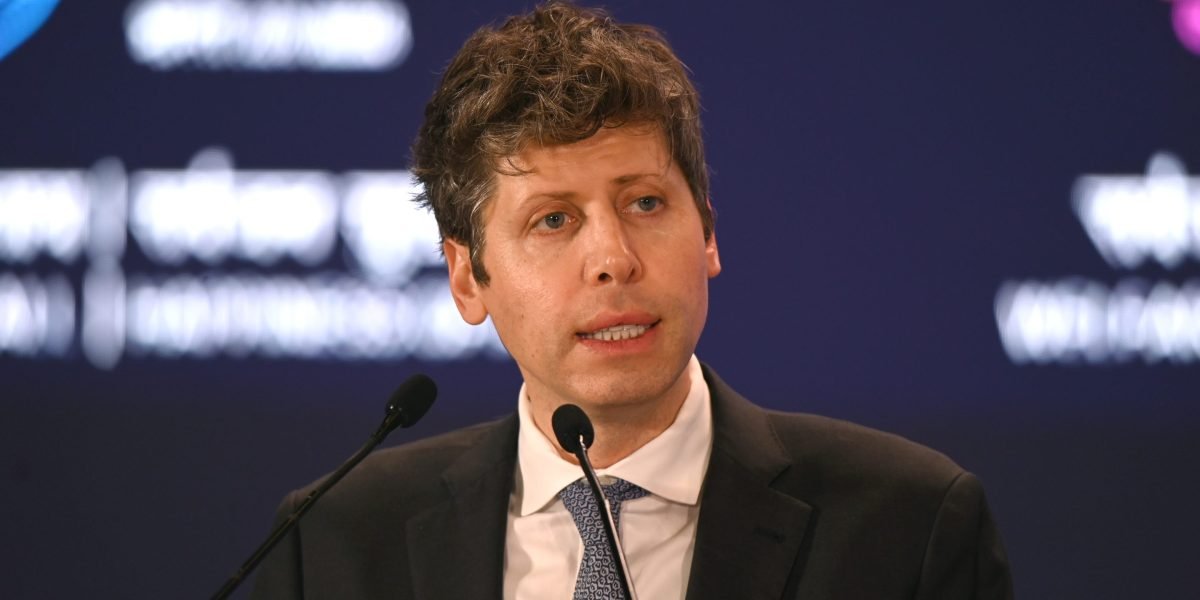
The landscape of artificial intelligence is evolving rapidly, with government policies playing a pivotal role in shaping its trajectory. Recent developments involving OpenAI and the U.S. Department of Defense (DOD) highlight the growing tension between innovation and regulation. As Sam Altman, CEO of OpenAI, revealed, the DOD is now open to allowing OpenAI to develop its own “safety stack”—a framework designed to ensure AI systems operate responsibly. This shift marks a significant departure from previous mandates, where compliance was non-negotiable, even if models refused certain tasks. Meanwhile, Anthropic faces a starkly different reality, with the DOD designating it a supply chain risk, effectively barring military contractors from doing business with the company. This article unpacks these developments and their implications for the future of AI.
OpenAI’s Safety Stack: A Strategic Advantage
OpenAI’s proposed safety stack represents a proactive approach to AI governance. By allowing the company to tailor its safety protocols, the DOD acknowledges the need for flexibility in an industry where one-size-fits-all solutions often fall short. This policy shift could accelerate innovation, as OpenAI gains the autonomy to address unique challenges in its AI models. For example, if a model refuses a task deemed critical by the military, OpenAI can now explore alternative solutions without facing immediate compliance penalties.
Key Benefits of the Safety Stack
- Customized Risk Management: Tailored safety protocols for specific AI applications.
- Enhanced Collaboration: Closer alignment between OpenAI and DOD priorities.
- Agility in Development: Faster iteration cycles for safety-critical systems.
Anthropic’s Supply Chain Risk Designation: A Case Study
Contrast OpenAI’s favorable policy shift with Anthropic’s recent predicament. The DOD’s decision to label Anthropic a supply chain risk underscores the political and ethical complexities of AI governance. This move, driven by concerns over Anthropic’s refusal to comply with certain military directives, has far-reaching consequences. Military contractors are now prohibited from engaging with Anthropic, a firm known for its advanced AI models like Claude. The designation raises questions about the criteria for such decisions and their impact on innovation.
Implications for Anthropic and the AI Industry
- Market Disruption: Loss of access to lucrative defense contracts.
- Reputational Damage: Perception of non-compliance with national security interests.
- Competitive Disadvantage: OpenAI and rivals may gain an edge in government partnerships.
Broader Implications for AI Development
These developments signal a broader trend in AI governance: the balance between innovation and regulation is becoming increasingly delicate. While the DOD’s approach to OpenAI fosters collaboration, its stance toward Anthropic highlights the risks of rigid compliance frameworks. For AI companies, the message is clear: aligning with government priorities is not just a legal requirement but a strategic imperative.
Strategies for AI Companies
- Engage Proactively: Build transparent relationships with regulators early.
- Adapt Safety Protocols: Develop flexible frameworks that meet evolving standards.
- Monitor Policy Shifts: Stay informed about legislative and regulatory changes.
Conclusion: Navigating the AI Governance Landscape
The interplay between OpenAI’s safety stack and Anthropic’s supply chain risk designation illustrates the dynamic nature of AI governance. As governments grapple with the dual challenges of innovation and security, companies must navigate a complex web of policies. For stakeholders, the takeaway is straightforward: adaptability and strategic alignment with regulatory bodies will be key to thriving in this new era. Stay informed, engage proactively, and prioritize safety to stay ahead in the AI race.