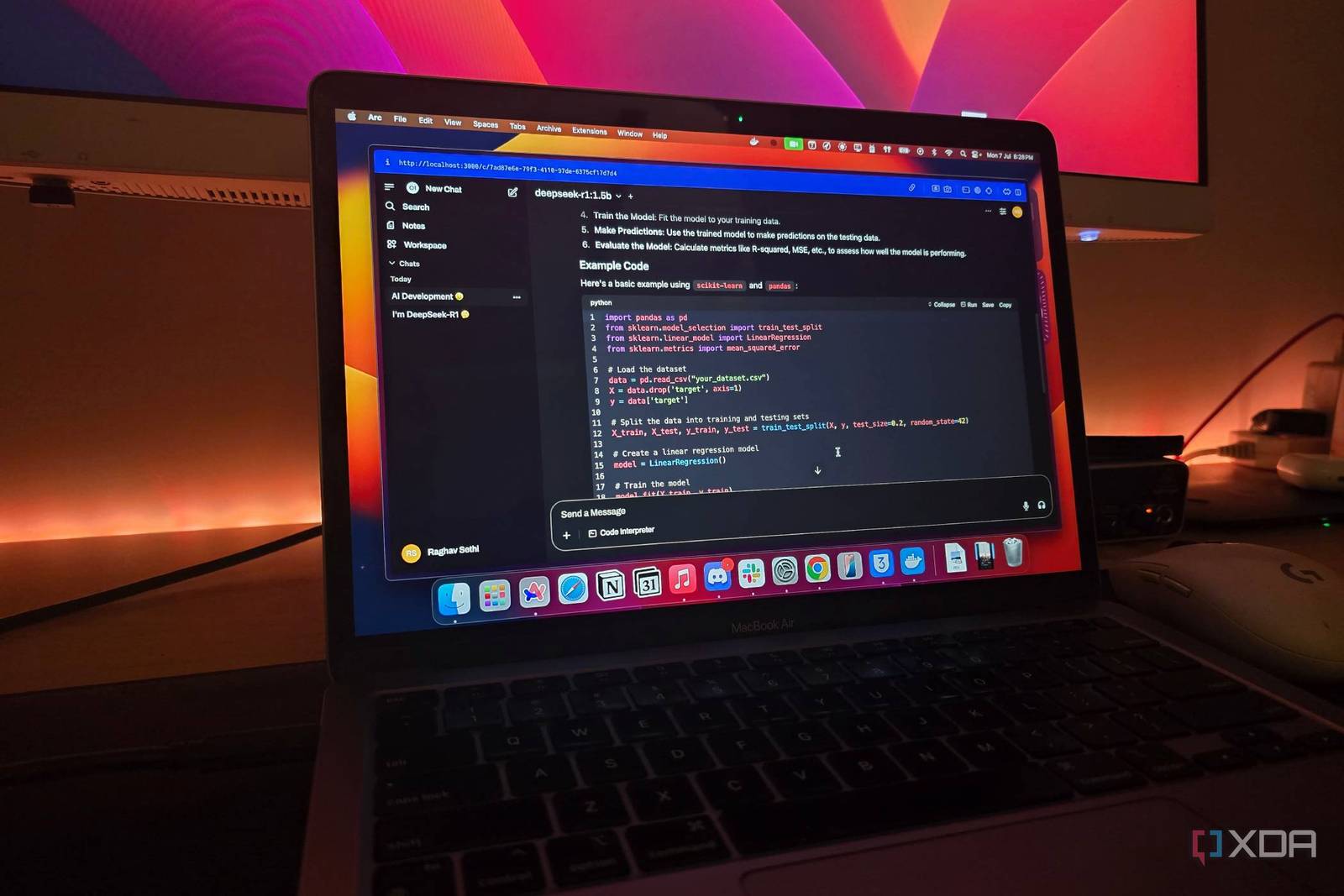
Introduction to Local LLM Settings
As a tech enthusiast, I’ve often found myself struggling with subpar AI performance. However, after delving into local LLM settings, I discovered a plethora of untapped potential. In this article, we’ll explore the top 8 local LLM settings that can significantly enhance your AI experience.
Understanding Local LLM Settings
Local LLM settings refer to the configurations that govern the behavior of language models on your device. By tweaking these settings, you can unlock better performance, efficiency, and accuracy. Meanwhile, it’s essential to note that these settings may vary depending on your device and AI model.
For example, adjusting the cache size or computational resources can drastically impact your AI’s speed and responsiveness. Additionally, optimizing these settings can lead to improved battery life and reduced latency.
Top 8 Local LLM Settings to Optimize
- Cache Size: Increase the cache size to improve performance, but be mindful of memory constraints.
- Computational Resources: Allocate sufficient resources to ensure smooth operation, but avoid overloading your device.
- Model Complexity: Balance model complexity with performance requirements to achieve optimal results.
- Training Data: Ensure that your AI model is trained on relevant, high-quality data to improve accuracy.
- Update Frequency: Regularly update your AI model to incorporate the latest improvements and security patches.
- Resource Allocation: Efficiently allocate resources to minimize waste and maximize performance.
- Debugging Tools: Utilize debugging tools to identify and resolve issues, ensuring optimal AI performance.
- Compatibility Mode: Enable compatibility mode to ensure seamless integration with other devices and software.
By optimizing these local LLM settings, you can significantly enhance your AI experience. Therefore, it’s crucial to explore and understand these settings to unlock their full potential.