Introduction to Smart TV Settings
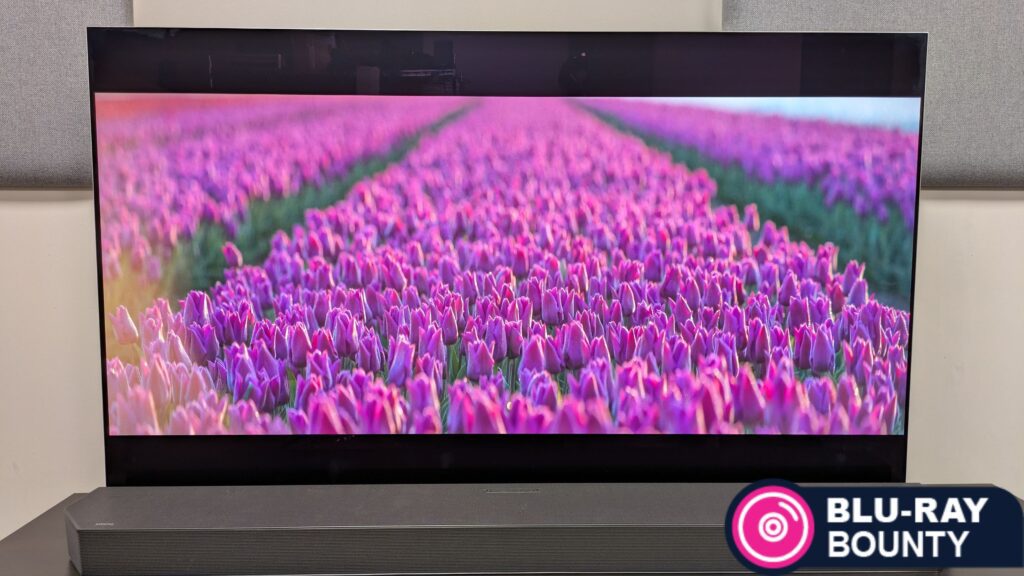
Most people’s smart TV settings are wrong out of the box, and it shows. However, with a few simple adjustments, you can significantly enhance your viewing experience. Therefore, it’s essential to understand the importance of optimizing your smart TV settings. Meanwhile, many users are unaware of the available options and their impact on picture quality.
Understanding Your Smart TV Settings
For example, the default settings on your smart TV might not be calibrated for your specific viewing environment. Additionally, factors such as room lighting and screen size can affect the overall picture quality. To address this, you can start by adjusting the picture mode and backlight settings. Furthermore, exploring the advanced settings menu can help you fine-tune your TV’s performance.
Picture Mode and Backlight Settings
There are several picture modes to choose from, including standard, vivid, and movie mode. However, the best mode for you will depend on your personal preferences and viewing habits. Meanwhile, adjusting the backlight settings can help reduce eye strain and improve overall picture quality. Moreover, some smart TVs offer features like local dimming and HDR, which can further enhance your viewing experience.
Calibrating Your Smart TV for Optimal Performance
To get the most out of your smart TV, it’s crucial to calibrate the settings correctly. Therefore, you can start by adjusting the color temperature and contrast settings. Additionally, exploring the TV’s calibration menu can help you fine-tune the picture quality. Meanwhile, some smart TVs offer built-in calibration tools, which can simplify the process and ensure optimal performance.
Using Calibration Tools and Apps
There are several calibration tools and apps available that can help you optimize your smart TV settings. For instance, apps like CalMAN and THX Tune-Up can provide you with a step-by-step guide to calibrating your TV. However, it’s essential to note that these tools may not work with all smart TV models. Meanwhile, consulting your TV’s user manual or online support resources can provide you with more information on calibration and optimization.
Conclusion and Final Tips
In conclusion, optimizing your smart TV settings is crucial for an exceptional viewing experience. Therefore, it’s essential to explore the available options and adjust the settings according to your preferences. Meanwhile, keeping your TV’s software up-to-date and using calibration tools can further enhance performance. Finally, by following these tips and best practices, you can unlock the full potential of your smart TV and enjoy a more immersive viewing experience.
Frequently Asked Questions
- What is the best picture mode for my smart TV? The best picture mode will depend on your personal preferences and viewing habits.
- How do I calibrate my smart TV for optimal performance? You can start by adjusting the color temperature and contrast settings, and then explore the TV’s calibration menu.
- Can I use calibration tools and apps with my smart TV? Yes, there are several calibration tools and apps available that can help you optimize your smart TV settings.
- How often should I update my smart TV’s software? It’s essential to keep your TV’s software up-to-date to ensure optimal performance and security.
- What is the importance of optimizing my smart TV settings? Optimizing your smart TV settings can significantly enhance your viewing experience and provide a more immersive experience.