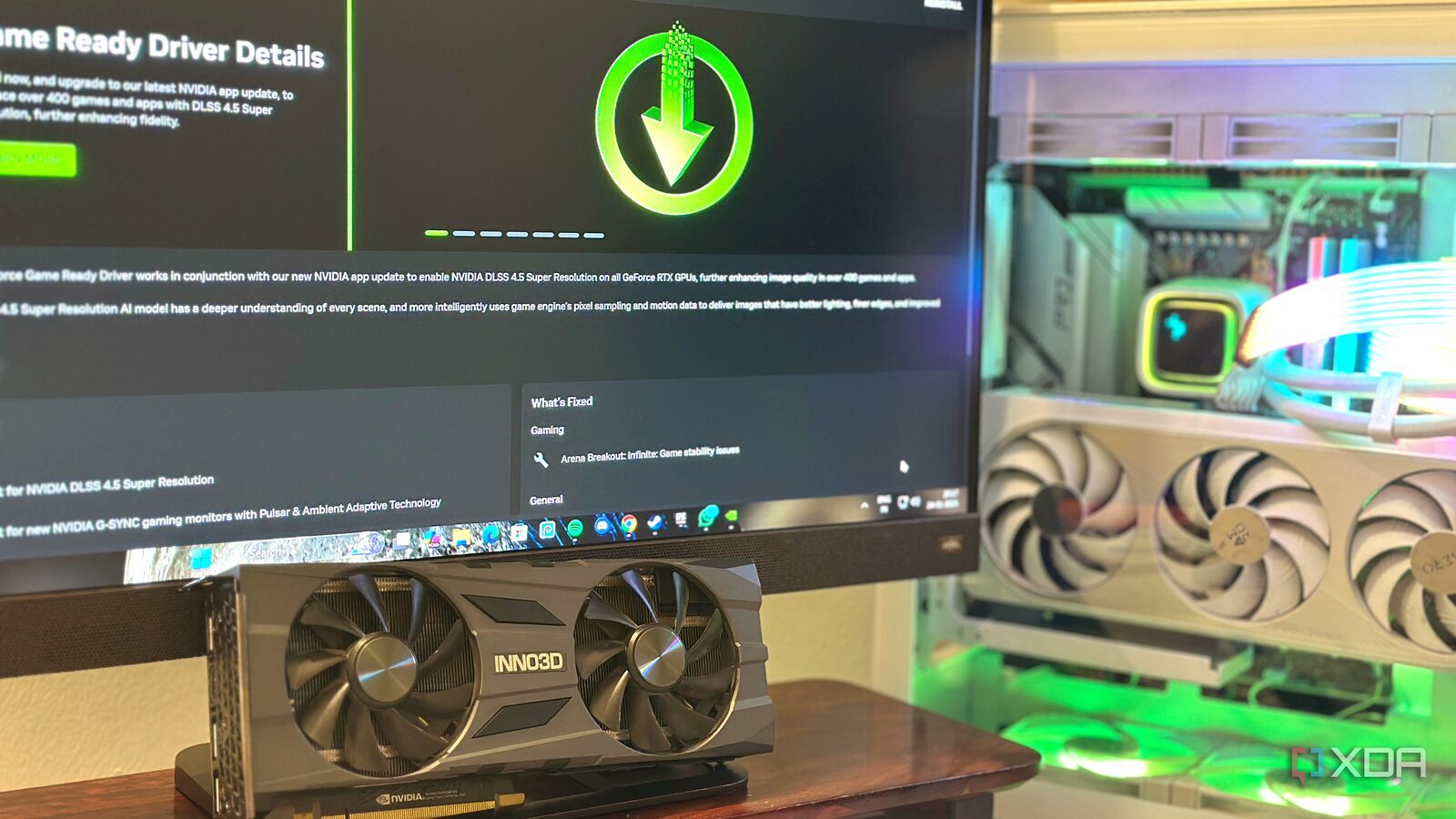
Introduction to Overclocking
I recently let the NVIDIA app overclock my GPU, and the results were impressive. Overclocking is a process that allows you to push your hardware beyond its default limits, resulting in improved performance. However, it can also increase the risk of damage to your components. In this article, we’ll explore the benefits and risks of overclocking with NVIDIA.
Benefits of Overclocking with NVIDIA
Overclocking with NVIDIA can bring several benefits, including improved gaming performance and increased frame rates. Additionally, it can also enhance the overall computing experience. For example, video editing and 3D modeling can be accelerated, making it a great option for professionals. Meanwhile, gamers can enjoy smoother and more responsive gameplay.
Some key benefits of overclocking with NVIDIA include:
- Improved gaming performance
- Increased frame rates
- Enhanced computing experience
Risks and Considerations
However, overclocking also comes with some risks. It can increase the temperature of your components, leading to reduced lifespan and potential damage. Therefore, it’s essential to monitor your system’s temperature and adjust the overclocking settings accordingly. Additionally, overclocking can also increase power consumption, which can lead to higher electricity bills.
To minimize the risks, it’s crucial to follow best practices, such as:
- Monitoring system temperature
- Adjusting overclocking settings carefully
- Ensuring proper cooling and ventilation
Conclusion
In conclusion, overclocking with NVIDIA can be a game-changer for gamers and professionals alike. However, it’s essential to be aware of the risks and take necessary precautions. By following best practices and monitoring your system’s performance, you can enjoy improved performance and a enhanced computing experience. Finally, always remember to prioritize your system’s safety and adjust your overclocking settings accordingly.