Pakistan Expands Cross-Border Air Campaign
Pakistan has escalated its military response against the Afghan Taliban through Operation Ghazab Lil Haq, conducting airstrikes across Kabul, Kandahar, Paktia, and Paktika. Meanwhile, the UN reports mounting civilian casualties as China attempts mediation.
Operation Ghazab Lil Haq: Aims and Objectives
The Pakistan Air Force (PAF) conducted overnight strikes between 12 and 13 March, targeting suspected militant infrastructure. Additionally, the strikes hit logistics hubs, equipment depots, and training camps linked to the Tehrik-i-Taliban Pakistan (TTP) and affiliated groups.
However, the Afghan Taliban denies hosting the TTP or other armed groups, and has accused Pakistan of striking residential areas, civilian airlines, and fuel infrastructure. Furthermore, the Taliban administration condemned the February strikes, claiming they hit civilian areas and religious centres in Nangarhar.
Civilian Cost and Contested Narratives
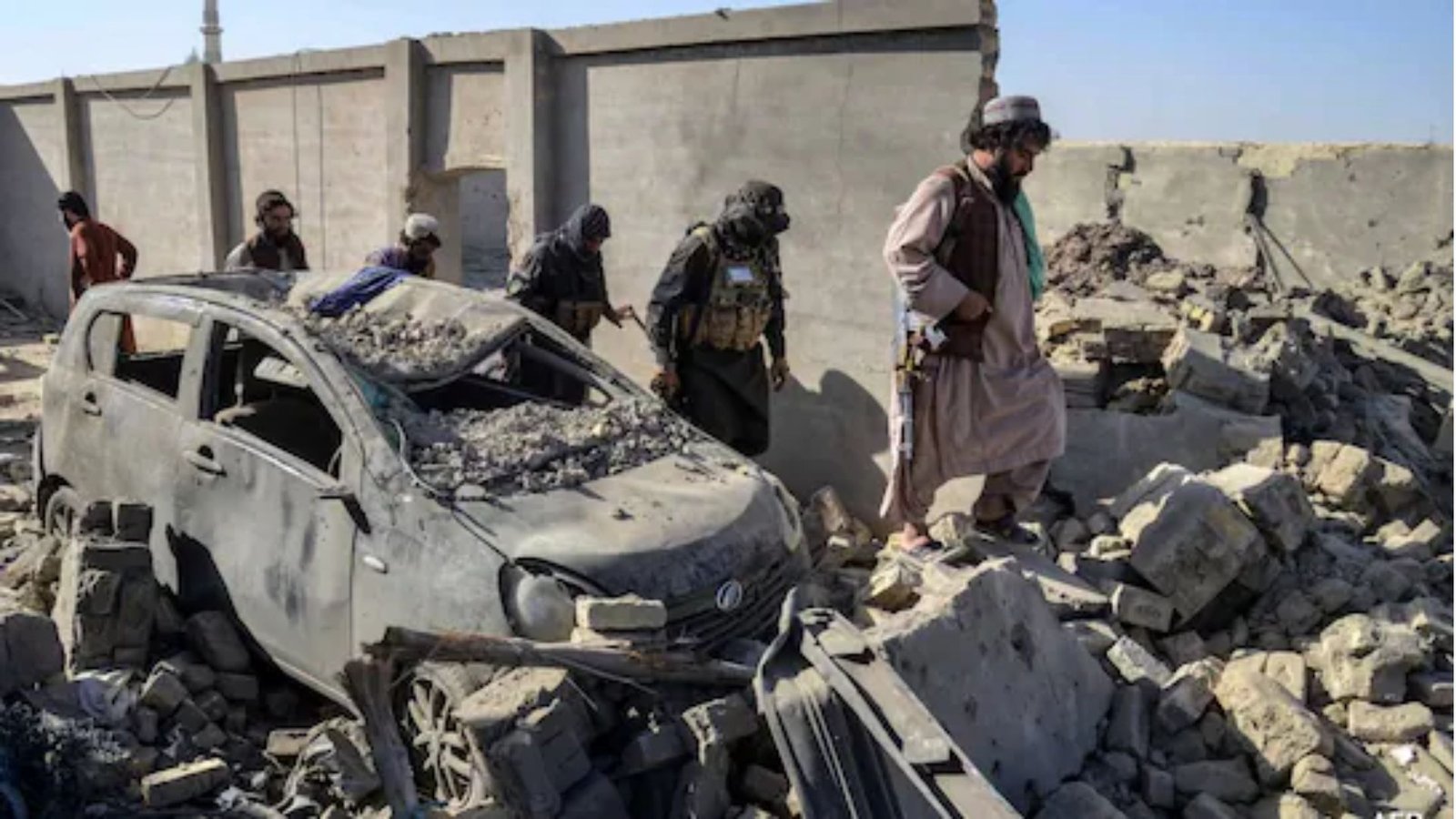
The United Nations Assistance Mission in Afghanistan (UNAMA) recorded 185 civilian casualties – 56 killed and 129 injured – between 26 February and 5 March alone. Moreover, UNAMA documented at least four additional civilian deaths and 14 injuries in the Pul-e-Charkhi area of Kabul.
Therefore, the civilian toll remains a point of sharp disagreement. Pakistan has consistently denied targeting civilian infrastructure, stating its operations are intelligence-based and directed exclusively against militant positions.
China’s Mediation and the Outlook
China has emerged as the most active mediator in the conflict. Beijing’s special envoy for Afghan affairs, Yue Xiaoyong, met with Afghanistan’s acting Foreign Minister Amir Khan Muttaqi in Kabul before travelling to Islamabad on 12 March for talks with Pakistan’s Special Representative for Afghanistan, Mohammad Sadiq, and Foreign Secretary Amna Baloch.
Finally, it remains unclear whether Beijing can apply sufficient pressure to bring both parties to meaningful negotiations. The conflict is entering a cycle where each side’s retaliatory strikes feed further escalation – with neither possessing the conventional capacity nor the political incentive to force a decisive outcome.
For example, previous mediation efforts, including a Qatari-brokered ceasefire in October 2025 and Turkish-hosted talks in November, failed to produce lasting arrangements. Additionally, the situation is becoming increasingly complex, with multiple stakeholders involved.
Key Takeaways
- Pakistan has escalated its military response against the Afghan Taliban through Operation Ghazab Lil Haq.
- The UN reports mounting civilian casualties as China attempts mediation.
- The conflict is entering a cycle where each side’s retaliatory strikes feed further escalation.
In conclusion, the situation in Afghanistan is becoming increasingly complex, with multiple stakeholders involved. Therefore, it is essential to find a peaceful solution to the conflict, and China’s mediation efforts may play a crucial role in this process.
Meanwhile, the international community must continue to monitor the situation closely and provide support to those affected by the conflict. Additionally, it is essential to address the root causes of the conflict and work towards a lasting peace agreement.
Finally, the parties involved must engage in meaningful negotiations to find a peaceful solution to the conflict. The international community must also provide support to the parties involved to help them reach a lasting peace agreement.