Pasqal SPAC Deal: $2B Valuation & Quantum Computing Future
French quantum computing startup Pasqal is making waves in the tech world with its $2 billion SPAC deal, set to list on the US Nasdaq and Euronext. This bold move highlights the growing momentum of quantum startups leveraging SPACs to scale rapidly. But what does this mean for quantum computing’s future—and how is Pasqal positioned to lead the charge?
Why the Pasqal SPAC Deal Matters for Quantum Innovation
The $2 billion valuation of Pasqal’s SPAC deal isn’t just a financial milestone—it’s a vote of confidence in quantum computing’s potential. By merging with Bleichroeder Acquisition Corp II, Pasqal gains access to $600 million in fresh capital, enabling it to expand its neutral atom quantum processor technology and accelerate commercialization.
Key Highlights of the Pasqal SPAC Deal
- $2 billion pre-money valuation—underscoring investor trust in quantum computing.
- Dual listing on Nasdaq (US) and Euronext (Europe) to broaden market reach.
- Backed by heavyweights: Temasek, LG Electronics, and the European Innovation Council.
Neutral Atom Quantum Computing: Pasqal’s Secret Weapon
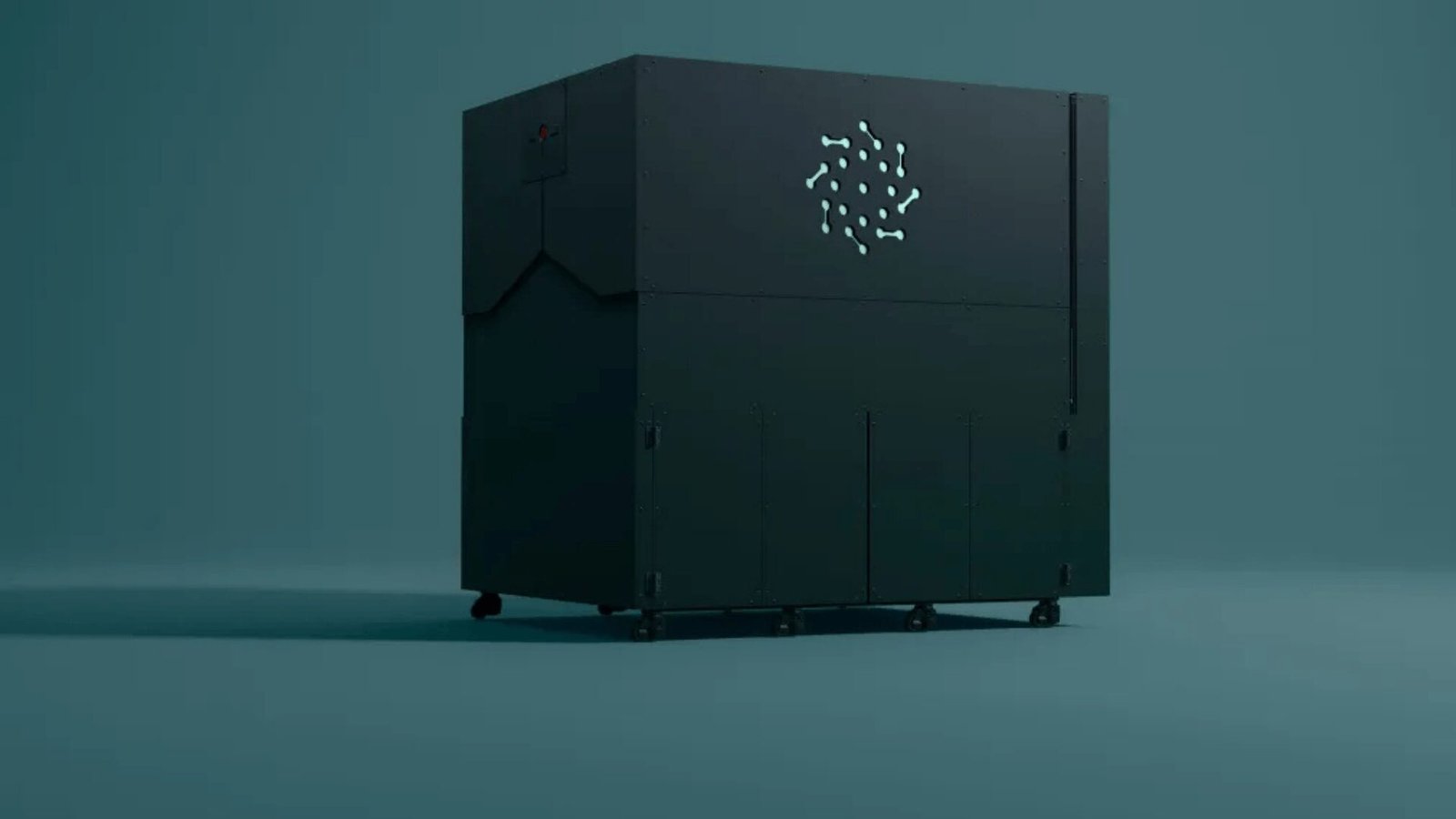
Unlike many quantum startups, Pasqal uses neutral atom technology to build quantum processors. This approach arranges atoms in 2D and 3D arrays, offering scalability and stability. The company already delivers real-world quantum solutions to clients, addressing complex problems in fields like materials science and finance.
Advantages of Neutral Atom Tech
- Scalability: 2D/3D arrays enable larger qubit counts.
- Low error rates: Neutral atoms are less prone to decoherence.
- Commercial readiness: Pasqal’s systems are already in use globally.
Investor Confidence and Market Potential
The SPAC deal reflects strong investor appetite for quantum startups. Pasqal’s co-founders include Nobel laureate Alain Aspect, whose expertise in quantum physics adds credibility. CEO Wasiq Bokhari emphasizes the company’s “deep customer traction” and “solid sovereign support” as key growth drivers.
Why Investors Are Betting on Pasqal
- Proven technology: Neutral atom systems are operational today.
- Global demand: Quantum computing is projected to reach $10 billion by 2030.
- Strategic partnerships: Collaborations with LG and Temasek provide long-term stability.
The Future of Quantum Computing with Pasqal
With its SPAC funding, Pasqal aims to solidify its position as a global quantum leader. The company plans to expand R&D, enhance customer solutions, and explore new markets. Meanwhile, the dual listing strategy ensures it can tap into both US and European investor bases.
What This Means for the Industry
Pasqal’s SPAC deal joins recent quantum SPACs like Xanadu and IQM, signaling a shift toward public market funding for cutting-edge tech. As quantum computing moves from theory to practice, startups like Pasqal will play a pivotal role in shaping the next decade of innovation.
Conclusion: A Quantum Leap Forward
The Pasqal SPAC deal isn’t just a financial milestone—it’s a catalyst for quantum computing’s future. By combining Nobel-winning science with scalable technology and strategic funding, Pasqal is poised to lead the quantum revolution. Stay tuned as this French startup redefines what’s possible in the quantum age.
FAQs
1. What is the significance of the Pasqal SPAC deal for quantum computing?
The $2 billion valuation and $600 million funding boost will accelerate Pasqal’s neutral atom quantum technology and global expansion.
2. How does Pasqal’s neutral atom approach differ from other quantum startups?
Neutral atoms offer scalability and lower error rates compared to superconducting qubits or trapped ions.
3. Why is a dual listing important for Pasqal?
Listing on both Nasdaq and Euronext ensures access to diverse investor pools and strengthens market visibility.
4. Who backs Pasqal, and why does it matter?
Temasek, LG Electronics, and the European Innovation Council provide financial and strategic support, validating Pasqal’s technology.
5. What are the potential applications of Pasqal’s quantum computing?
From drug discovery to financial modeling, Pasqal’s systems tackle complex problems across industries.