PC Components Testing: How We Benchmark CPUs for 2026
Testing PC components like CPUs requires precision, consistency, and a clear methodology. At Tom’s Hardware, we’re revamping our benchmarking process to provide accurate, decade-spanning data for CPUs. Here’s how we’re doing it—and why it matters for your next build.
Why PC Components Testing Matters
Modern CPUs power everything from gaming to productivity, but evaluating their performance isn’t simple. With Intel and AMD set to release next-gen chips like Zen 6 and Nova Lake in 2026, we need a robust testing framework to compare new and legacy PC components fairly.
Key Testing Goals
- Build a comprehensive CPU hierarchy spanning over a decade</n
- Ensure consistent benchmarking across platforms
- Prepare for future CPU generations
Our Testing Methodology
Our approach focuses on three core areas: applications, gaming, and power efficiency. Here’s how we ensure accuracy:
Hardware Consistency
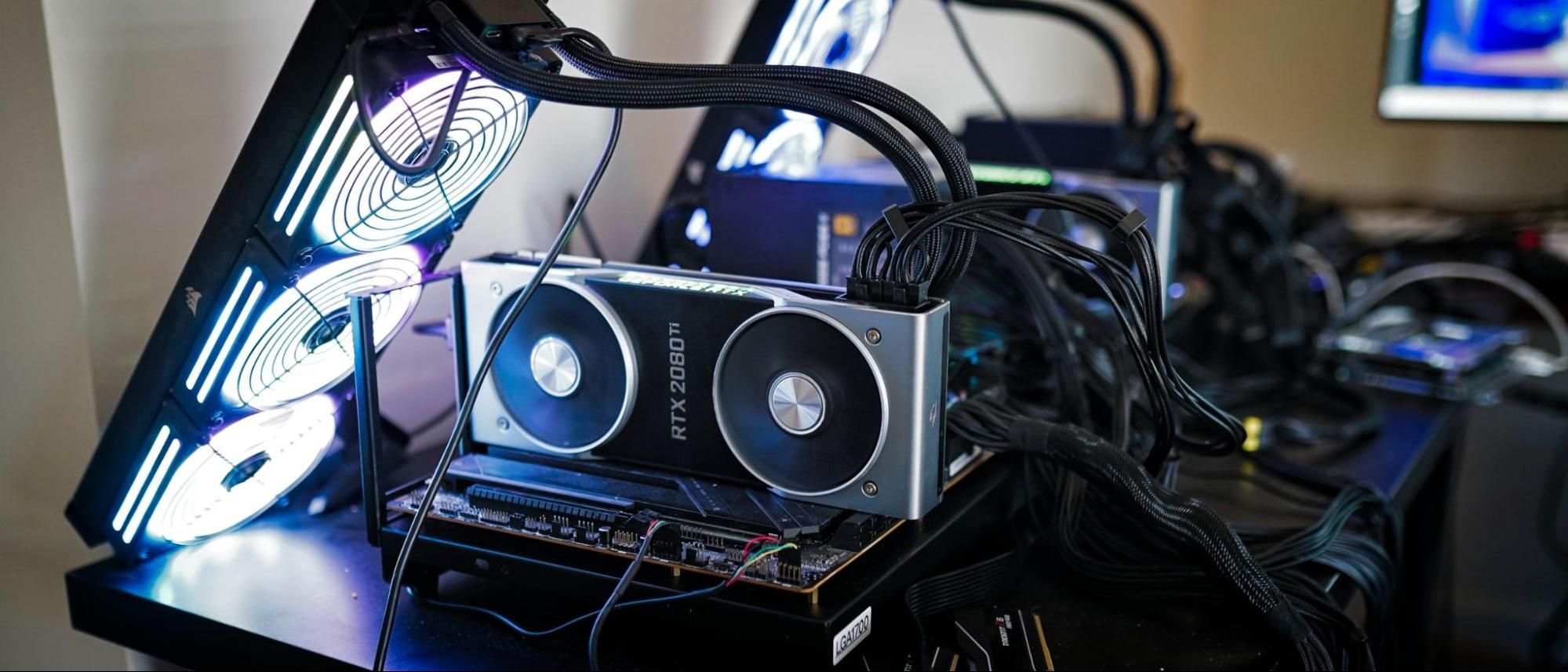
We use identical hardware across all test benches, including:
- 12 Sabrent Rocket 4 Plus 2TB SSDs
- 6 Corsair iCue Link H150i RGB coolers
- RTX 5090 FE for gaming tests
Controlled Software Environments
Two “golden” OS images (AMD and Intel) ensure identical software conditions. These are frozen in time to eliminate variables like driver updates or background services.
Testing Phases and Priorities
Our process includes three phases:
- Applications: Automated but manually verified for accuracy
- Power/Efficiency: Measures real-world energy consumption
- Gaming: Tests CPU scaling in modern titles
We prioritize newer CPUs (Zen 5, Arrow Lake) but also test older models like AMD Excavator and Intel 7th-gen for historical context.
Challenges and Solutions
Testing hundreds of CPUs across multiple platforms requires careful planning:
- Two dedicated testers running 2-6 systems simultaneously
- Strict motherboard consistency within each platform
- Manual data verification to catch outliers
Future-Proofing Our Data
By building this dataset now, we can track performance trends across generations. This helps readers understand how today’s PC components stack up against both past and future hardware.
Conclusion: Stay Informed About PC Components
Our testing isn’t a one-time project—it’s an ongoing effort to keep PC component data relevant. Follow Tom’s Hardware for updates as we expand this dataset and prepare for next-gen CPUs in 2026.
FAQs
How do you test PC components for performance and efficiency?
We use controlled hardware/software environments and test across applications, gaming, and power metrics to ensure accurate comparisons.
Why focus on newer CPUs?
Newer CPUs impact most users directly, so we prioritize them for timely, actionable insights.
Do you test older PC components?
Yes—we test CPUs from AMD Excavator to Zen 5 to provide historical context and track performance evolution.
How do you ensure consistent results?
Identical hardware setups, frozen OS images, and manual data verification eliminate variables across all tests.
Will this data help with future CPU purchases?
Absolutely. Our decade-spanning dataset helps readers understand how current and future CPUs compare in real-world scenarios.