Is Your PCIe Expansion Card Running at Half Speed?
Meanwhile, many users are unaware that their PCIe expansion cards might be running at half speed. Additionally, their motherboards probably didn’t warn them about this issue. For example, if you’re using a high-end graphics card, you might not be getting the performance you expect.
Understanding PCIe Expansion Cards
However, to understand why this is happening, we need to look at how PCIe expansion cards work. Therefore, let’s dive into the basics of PCIe technology. Meanwhile, it’s essential to note that PCIe expansion cards are used to add new features to your computer, such as graphics cards, sound cards, and network cards.
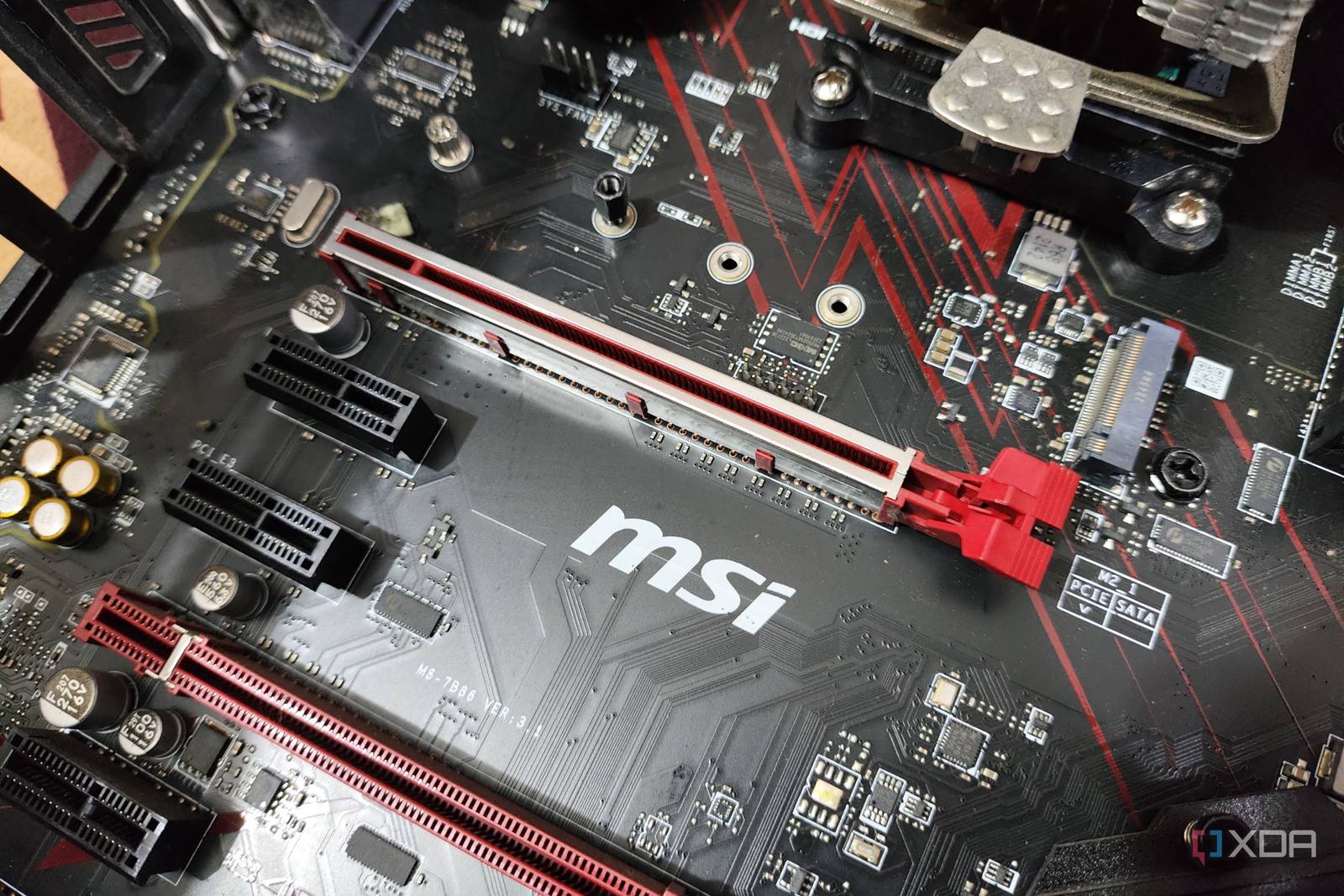
Additionally, PCIe expansion cards use a specific slot on your motherboard to connect to your system. Nevertheless, the speed of these cards depends on the type of slot they’re using. For instance, PCIe x16 slots are typically used for graphics cards and can provide up to 16 lanes of bandwidth.
PCIe Lane Configuration
Meanwhile, the PCIe lane configuration is crucial in determining the speed of your expansion card. However, most motherboards have a limited number of PCIe lanes available. Therefore, when you install multiple expansion cards, the lanes are divided among them, which can reduce their speed.
For example, if you have a PCIe x16 slot and install a graphics card, it will use all 16 lanes available. Nevertheless, if you install another expansion card in a PCIe x4 slot, it will use 4 lanes, leaving 12 lanes for the graphics card. As a result, the graphics card’s speed will be reduced.
Why Your Motherboard Didn’t Warn You
However, you might be wondering why your motherboard didn’t warn you about this issue. Meanwhile, most motherboards don’t have a built-in warning system to alert you when an expansion card is running at half speed. Additionally, the motherboard’s BIOS might not be configured to notify you about lane configuration issues.
Therefore, it’s essential to check your motherboard’s manual or online documentation to see if it provides any information about PCIe lane configuration and expansion card compatibility. Meanwhile, you can also use software tools to monitor your expansion card’s speed and performance.
Monitoring Expansion Card Performance
Meanwhile, there are several software tools available that can help you monitor your expansion card’s performance. However, some popular options include GPU-Z for graphics cards and HWiNFO for general system monitoring. Additionally, these tools can provide detailed information about your expansion card’s speed, temperature, and other performance metrics.
For instance, GPU-Z can show you the current speed of your graphics card, as well as its maximum potential speed. Nevertheless, if you notice that your graphics card is running at half speed, you can use this information to troubleshoot the issue and find a solution.
Solutions to Expansion Card Speed Issues
However, if you’re experiencing expansion card speed issues, there are several solutions you can try. Meanwhile, one of the simplest solutions is to adjust the PCIe lane configuration in your motherboard’s BIOS. Additionally, you can try removing other expansion cards to free up more lanes for your graphics card.
For example, if you have a sound card installed in a PCIe x1 slot, you can remove it to free up more lanes for your graphics card. Nevertheless, this might not be a practical solution if you need the sound card for audio output. Therefore, you might need to consider other options, such as upgrading your motherboard or using a different expansion card.
Upgrading Your Motherboard
Meanwhile, upgrading your motherboard can be a more permanent solution to expansion card speed issues. However, this can be a complex and expensive process, especially if you have a custom-built PC. Additionally, you’ll need to ensure that your new motherboard is compatible with your existing components, such as your CPU and RAM.
For instance, if you’re using an Intel CPU, you’ll need to choose a motherboard with an Intel socket. Nevertheless, if you’re using an AMD CPU, you’ll need to choose a motherboard with an AMD socket. Therefore, it’s essential to do your research and choose a motherboard that meets your needs and budget.
Finally, if you’re experiencing expansion card speed issues, don’t panic. Meanwhile, there are several solutions available, from adjusting the PCIe lane configuration to upgrading your motherboard. Additionally, by monitoring your expansion card’s performance and troubleshooting the issue, you can get your system running at its full potential.
Therefore, we hope this article has provided you with valuable insights and practical tips to resolve expansion card speed issues. However, if you have any further questions or concerns, please don’t hesitate to reach out to us. Meanwhile, we’re always here to help you with any tech-related issues you might be facing.