
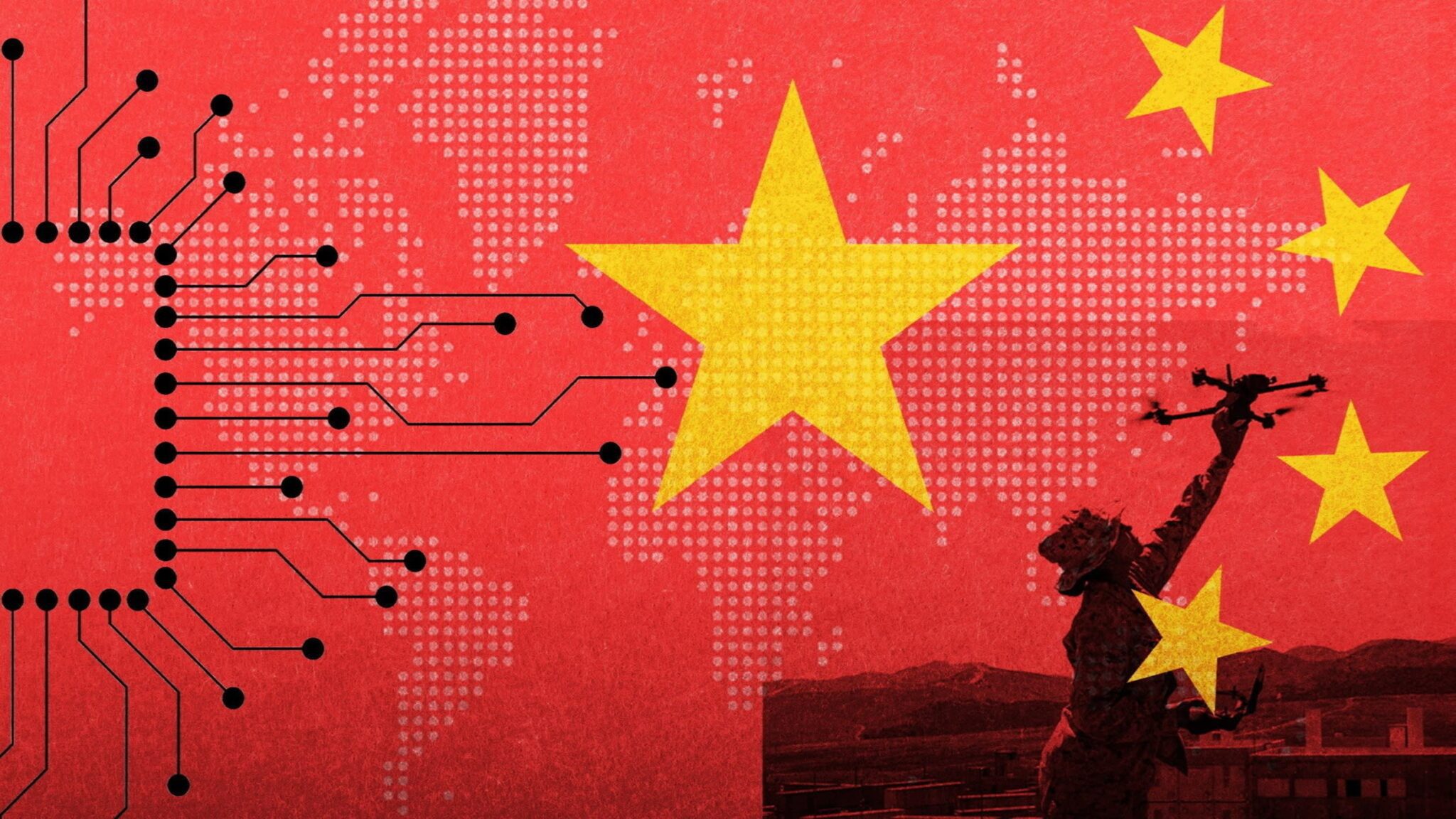
Pentagon AI Tools for China Cyber Operations: What You Need to Know
As cyber threats from China escalate, the U.S. Pentagon is deploying advanced AI tools to counter these challenges. This strategic shift reflects the growing importance of artificial intelligence in modern cybersecurity. Let’s break down how these tools work and why they matter.
Why the Pentagon is Investing in AI for Cyber Defense
Cybersecurity has become a critical front in U.S.-China tensions. The Pentagon’s AI initiatives aim to detect, analyze, and neutralize threats faster than traditional methods. Key drivers include:
- Speed and scale: AI processes vast datasets in real-time, identifying patterns human analysts might miss.
- Adaptive learning: Machine learning models evolve alongside emerging threats, reducing response times.
- Resource efficiency: Automating routine tasks frees experts to focus on high-priority risks.
How Pentagon AI Tools Work in Practice
These systems combine multiple technologies to create a layered defense:
Threat Detection and Analysis
AI scans network traffic for anomalies, flagging suspicious activity like data exfiltration or unauthorized access. For example, machine learning models trained on historical cyberattack data can predict and block zero-day exploits.
Automated Response Systems
When a threat is confirmed, AI tools can isolate affected systems, patch vulnerabilities, or reroute traffic automatically. This reduces human error and limits damage during critical moments.
Collaborative Intelligence
The Pentagon shares threat intelligence with private sector partners via AI-powered platforms. This creates a unified defense network, enabling faster responses to cross-border cyberattacks.
Challenges and Ethical Considerations
While AI offers clear advantages, it also raises concerns:
- False positives: Overly sensitive systems may trigger unnecessary alerts, wasting resources.
- Adversarial AI: Cybercriminals could use AI to create more sophisticated attacks.
- Accountability: Determining responsibility for AI-driven decisions remains a legal gray area.
What This Means for the Future
The Pentagon’s AI strategy signals a broader trend: cybersecurity is becoming a race between human ingenuity and machine speed. As China continues to invest in its own cyber capabilities, the U.S. must balance innovation with caution.
For businesses and individuals, this means staying informed about emerging threats and adopting AI-powered security solutions where possible. Cybersecurity is no longer just a technical issue—it’s a strategic imperative.
Frequently Asked Questions
How are Pentagon AI tools addressing China’s cyber operations?
By analyzing network traffic patterns and automating threat responses, these tools help detect and neutralize Chinese cyberattacks more efficiently than traditional methods.
Can AI completely prevent cyberattacks?
No system is foolproof, but AI significantly reduces risks by identifying threats faster and enabling proactive defenses.
What role does the private sector play in this strategy?
Private companies collaborate with the Pentagon to share threat intelligence and develop AI tools, creating a more robust national cybersecurity ecosystem.
Are there international regulations governing AI in cyber defense?
Current frameworks are still evolving, but the U.S. and its allies are working to establish ethical guidelines for AI use in cybersecurity.
How can individuals protect themselves from cyber threats?
Use multi-factor authentication, keep software updated, and consider AI-powered security tools for personal devices.
Stay ahead of the curve: Follow our blog for updates on AI, cybersecurity, and national defense strategies.








