Introduction: The AI-Nuclear Security Debate
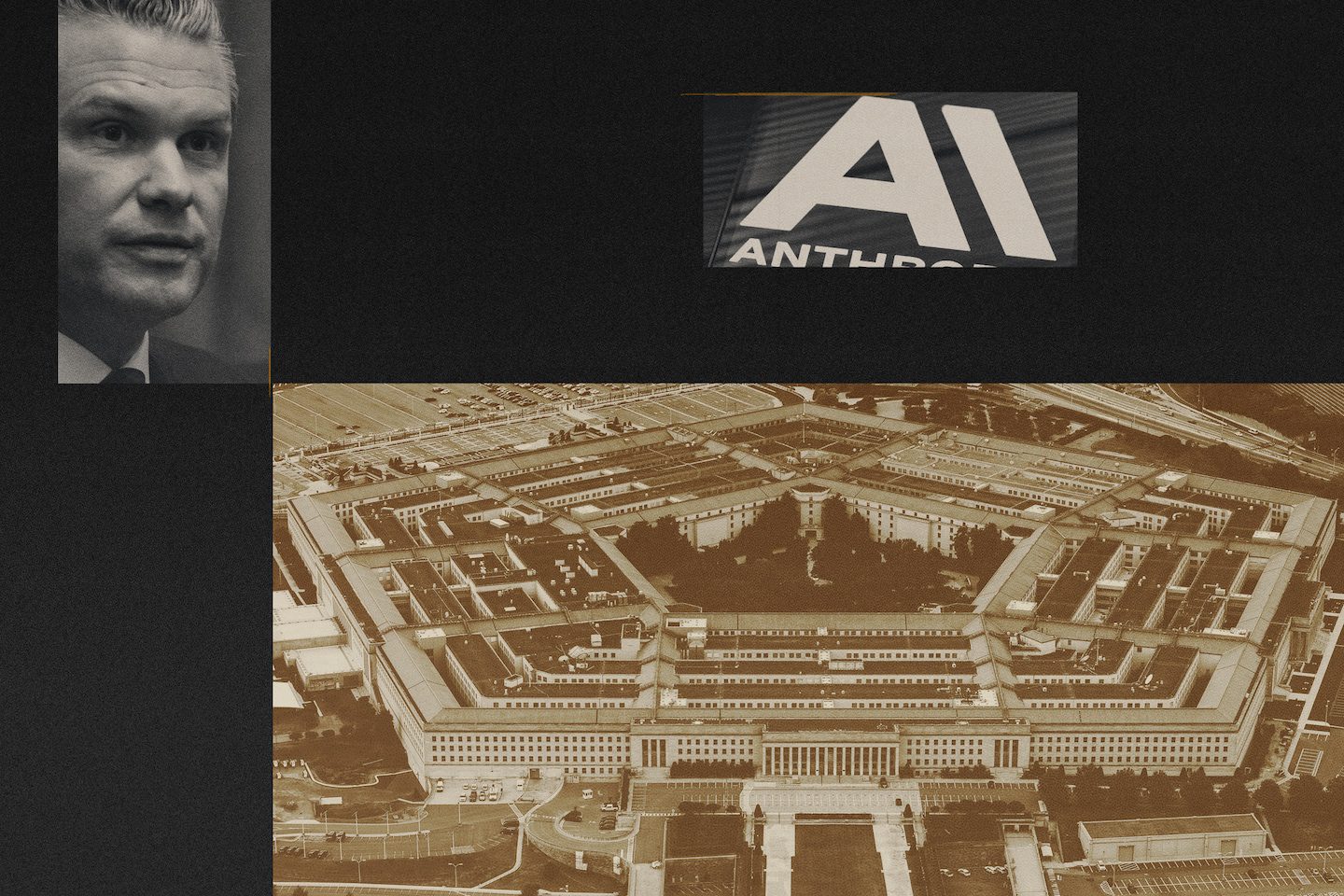
When the Pentagon and Anthropic found themselves in a heated standoff over AI use in nuclear scenarios, the world took notice. The dispute centered on whether Anthropic’s Claude AI could safely simulate responses to hypothetical nuclear missile attacks. This article unpacks the ethical, technical, and strategic implications of this high-stakes conflict.
What Sparked the Pentagon-Anthropic Standoff?
The tension began during internal Pentagon discussions about integrating Claude into military simulations. Officials raised concerns about AI’s reliability in handling sensitive nuclear protocols. Anthropic, meanwhile, argued that AI could enhance training by identifying human error patterns. The clash highlighted a broader debate: Can AI systems like Claude be trusted with life-or-death decisions?
Key Concerns from the Pentagon
- Security Risks: Fear of AI-generated scenarios being exploited by adversaries.
- Ethical Dilemmas: Questions about accountability if AI recommendations lead to unintended consequences.
- Operational Reliability: Doubts about AI’s ability to adapt to unpredictable real-world conditions.
Anthropic’s Defense of Claude
- Enhanced Training: AI can simulate countless scenarios faster than human teams.
- Pattern Recognition: Identifies subtle risks in decision-making processes.
- Transparency: Anthropic claims Claude’s algorithms are auditable and explainable.
Broader Implications for AI in Defense
This standoff isn’t just about one AI model—it’s a microcosm of the global shift toward AI-driven military systems. Nations are racing to adopt AI for everything from logistics to combat, but the Pentagon-Anthropic conflict underscores the need for clear ethical frameworks.
Global AI Defense Trends
According to a 2023 report by the Center for Strategic and International Studies, 78% of defense agencies are investing in AI. Yet only 32% have formal policies for AI ethics. The Pentagon-Anthropic standoff could set a precedent for how governments balance innovation with responsibility.
What’s Next for the Pentagon and Anthropic?
Both parties have agreed to a temporary pause in discussions while they review third-party audits of Claude’s capabilities. Meanwhile, the Department of Defense is drafting new guidelines for AI use in high-risk scenarios. This pause offers a critical window to address public and political concerns.
Key Takeaways for Businesses and Policymakers
- Adopt AI Gradually: Pilot programs allow for testing without full-scale risk.
- Invest in Transparency: Explainable AI builds trust with stakeholders.
- Collaborate with Experts: Partner with ethicists and security specialists to identify blind spots.
Conclusion: Balancing Innovation and Ethics
The Pentagon-Anthropic standoff is a wake-up call for the tech industry. As AI becomes more embedded in critical systems, organizations must prioritize ethical design and human oversight. The outcome of this conflict could shape the future of AI governance for decades.
Call to Action
What are your thoughts on AI in military applications? Share your perspective in the comments or join our next webinar on AI ethics in defense.