How Attackers Weaponize Core Internet Infrastructure
Phishers are abusing the .arpa reverse DNS domain—a critical part of internet infrastructure—to launch brand-impersonation attacks. This novel technique exploits a blind spot in security defenses, leveraging infrastructure never designed to host websites.
What is .arpa and Why is it Vulnerable?
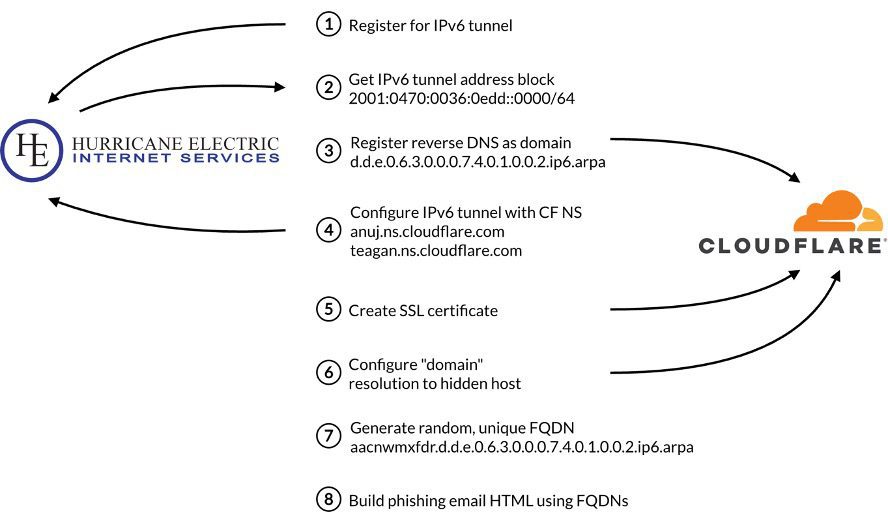
The .arpa domain (Address and Routing Parameter Area) supports core DNS functions like mapping IP addresses to hostnames. While essential for internet operations, it was never intended to host web content. Security tools often overlook it, creating an opportunity for attackers.
Attack Methods and Techniques
- IPv6 Tunneling Abuse: Attackers use free IPv6 address space from services like Hurricane Electric to gain control of reverse DNS zones.
- Phishing Lures: Emails impersonate major brands with promises of free gifts or subscription alerts, embedding hyperlinks in images to hide .arpa addresses.
- Device Fingerprinting: Traffic distribution systems fingerprint victims before routing them to fraudulent pages, complicating takedown efforts.
Implications for Cybersecurity
Infoblox research reveals attackers are weaponizing infrastructure designed for routing, not hosting. Dr. Renée Burton, VP of Infoblox Threat Intel, explains: “Reverse DNS space was never designed to host web content, so most defenses don’t even look at it as a potential threat surface.”
Broader DNS Abuse Trends
Attackers also exploit dangling CNAME records from expired domains. By registering lapsed domains, they inherit control of subdomains tied to legitimate organizations. Infoblox found over 100 hijacked subdomains belonging to government agencies, universities, and retailers.
Protecting Against These Threats
Organizations should:
- Monitor DNS records for unexpected A/CNAME entries in infrastructure namespaces.
- Verify domain ownership for all subdomains.
- Implement strict URL filtering policies to block .arpa-based phishing attempts.
The Certification Authority Browser Forum (CA/B) will stop issuing certificates for in-addr.arpa and ip6.arpa domains, forcing browsers to alert users about unsecured connections. This change, announced by APNIC’s Geoff Huston, adds a critical layer of defense.
Conclusion and Call to Action
Phishers are exploiting a core internet protocol weakness to bypass traditional security measures. By understanding these techniques, organizations can strengthen DNS defenses and protect users from sophisticated attacks. Review your DNS configurations today and consider advanced threat intelligence solutions like Infoblox to detect emerging patterns.
FAQs
How do phishers abuse the .arpa domain?
Attackers misuse reverse DNS delegation in .arpa to host phishing pages, exploiting infrastructure not designed for web content.
What makes .arpa phishing attacks unique?
These attacks bypass domain reputation checks by using infrastructure domains, which most security tools ignore.
Can I block .arpa-based phishing attempts?
Implement URL filtering policies and monitor DNS records for unexpected entries in infrastructure namespaces.
Why are CNAME records a security risk?
Expired domains with CNAME records allow attackers to inherit control of subdomains tied to legitimate organizations.
How is the CA/B Forum addressing this threat?
The forum will stop issuing SSL certificates for .arpa domains, forcing browsers to warn users about unsecured connections.