Polymarket Pop-Up Disaster: A Lesson in Tech and Execution
When Prediction Markets Met Real-World Chaos
In March 2026, Polymarket’s high-profile pop-up event in Washington, D.C., aimed to showcase the future of prediction markets. Instead, it became a case study in technical failures and misaligned expectations. The “Situation Room” bar, designed to let attendees bet on geopolitical events in real time, faced delays, malfunctioning screens, and a premature closure. This article unpacks what went wrong—and what brands can learn from the Polymarket pop-up disaster.
The Vision Behind the Pop-Up
Neil Kumar’s Grand Plan
Polymarket’s Chief Legal Officer, Neil Kumar, described the event as a “coming-out party” for the company in D.C. The goal was to blend casual socializing with high-stakes prediction markets. Attendees were promised access to Bloomberg terminals, live X feeds, and real-time betting on global crises. Kumar envisioned a space where politics and finance collided over drinks.
Joshua Tucker’s Marketing Playbook
Joshua Tucker, Polymarket’s Head of Growth, brought his viral marketing expertise from MrBeast to the project. The event was meant to be a spectacle—part bar, part interactive news hub. However, the execution fell short. Technical issues plagued the venue from the start, with screens remaining offline for hours and the event closing early.
Technical Failures and Disappointments
Delayed Start and Broken Tech
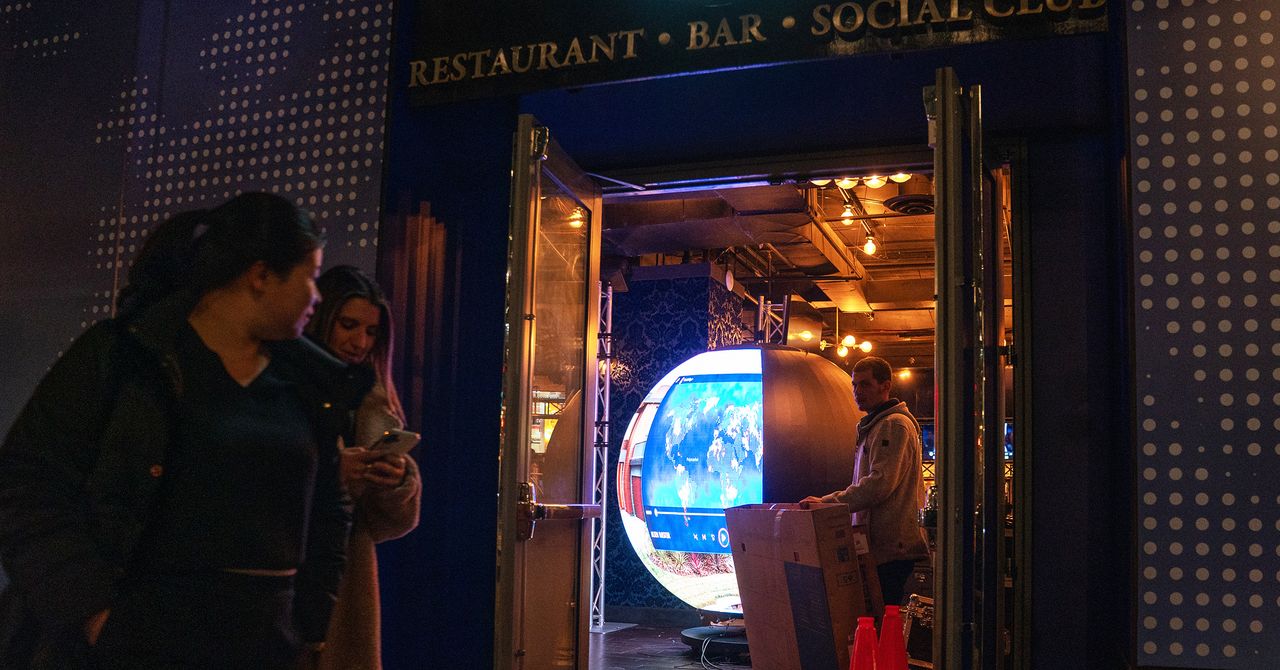
The pop-up opened late due to technical difficulties. Bartenders took orders from guests outside while attendees waited in the rain. By the time the event began, the promised tech—dozens of monitors displaying live data—was still offline. The “interactive betting game” allowed only simulated bets, not real transactions.
Early Closure and Apologetic Champagne
At 9:00 PM, Tucker announced the bar would close hours early to fix issues. Guests stayed for free drinks but left with little more than confusion. The next day, screens flickered due to power problems, and CNN and Fox News replaced the missing Bloomberg terminals. Attendees like Nick O’Neill, a crypto content creator, returned to film a bar ad instead of the competitive betting video he’d planned.
Guests Left Confused and Unimpressed
Not a Prediction Market Powerhouse
Most attendees weren’t Polymarket users. William, a military member who uses Kalshi (Polymarket’s competitor), called the screens “not really useful” for serious betting. Dylan, a college student, admitted the bar was more for “laughing with friends” than analysis. The event became a meme-worthy spectacle rather than a functional trading hub.
Government Ties and Mixed Messages
Despite the chaos, administration officials attended, signaling regulatory approval. Polymarket had recently acquired QCEX to comply with U.S. trading laws. However, the event’s technical failures undermined its credibility as a serious financial platform.
The Bigger Picture: Prediction Markets in the Real World
Why Prediction Markets Matter
Prediction markets like Polymarket and Kalshi let users bet on real-world outcomes. They’re valuable for forecasting trends and gauging public sentiment. However, the D.C. pop-up highlighted a gap: tech infrastructure must match the ambition.
Challenges for Mainstream Adoption
The event’s failure underscores challenges for prediction markets:
- Technical Reliability: Real-time data feeds and trading platforms require robust systems.
- User Education: Many attendees lacked familiarity with how prediction markets work.
- Regulatory Hurdles: Compliance costs and legal barriers remain significant.
Lessons Learned from the Polymarket Pop-Up Disaster
1. Prioritize Tech Over Spectacle
A flashy event won’t matter if the core product fails. Polymarket’s screens and betting tools were essential to the experience but malfunctioned repeatedly.
2. Align Expectations with Reality
Marketing the event as a “destination for monitoring global prediction markets” set high expectations. When the tech didn’t deliver, attendees felt misled.
3. Engage Your Core Audience
Most guests weren’t Polymarket users. Future events should target existing customers or educate newcomers on how to use the platform effectively.
Conclusion: A Cautionary Tale for Tech Brands
Polymarket’s pop-up disaster serves as a reminder that innovation requires more than bold ideas. Technical execution, user experience, and clear communication are equally vital. For brands aiming to bridge the gap between prediction markets and mainstream audiences, the lessons from D.C. are clear: build reliable systems, set realistic expectations, and focus on delivering real value—not just a party.
What do you think? Share your thoughts on prediction markets and event planning in the comments below!