Protect Your Privacy: Safeguarding Video Doorbell Footage
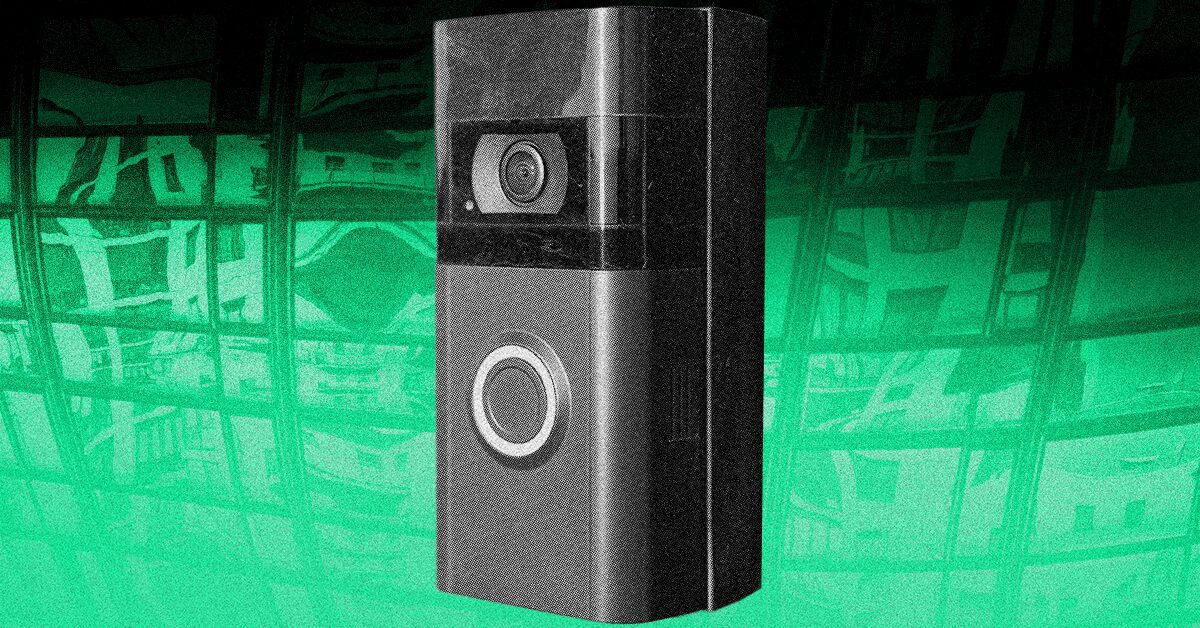
Video doorbells are convenient, but they can also be a threat to your privacy. With companies like Ring and Nest sharing footage with law enforcement, it’s essential to know how to safeguard your video doorbell footage.
Understanding the Risks
When you use a video doorbell, you may be unknowingly contributing to a surveillance state. Footage can be shared with law enforcement, and even fall into the wrong hands, enabling harassment or stalking. Additionally, company employees or third-party contractors may gain access to your videos.
Your Rights and Options
Unless presented with a warrant or court order, you are not required to share your footage with law enforcement. You can ignore or decline requests from law enforcement to share your footage. Consider using a doorbell that only records locally, or opt out of cloud video storage.
Some devices have onboard storage, but a system that connects to an indoor DVR via Ethernet is more secure. Look for doorbells that support Power over Ethernet (PoE) or have wired connections for added security.
Recommended Video Doorbell Options
Consider the following video doorbells that prioritize local recording and privacy:
- Reolink Video Doorbell: Supports Power over Ethernet (PoE) and local recording
- IC Realtime Doorbell: Offers onboard storage and wired connections
Remember, owning your data is crucial. By choosing a doorbell that prioritizes local recording and security, you can protect your privacy and safeguard your video doorbell footage.