
RAM Returns: Understanding Depreciation Fees
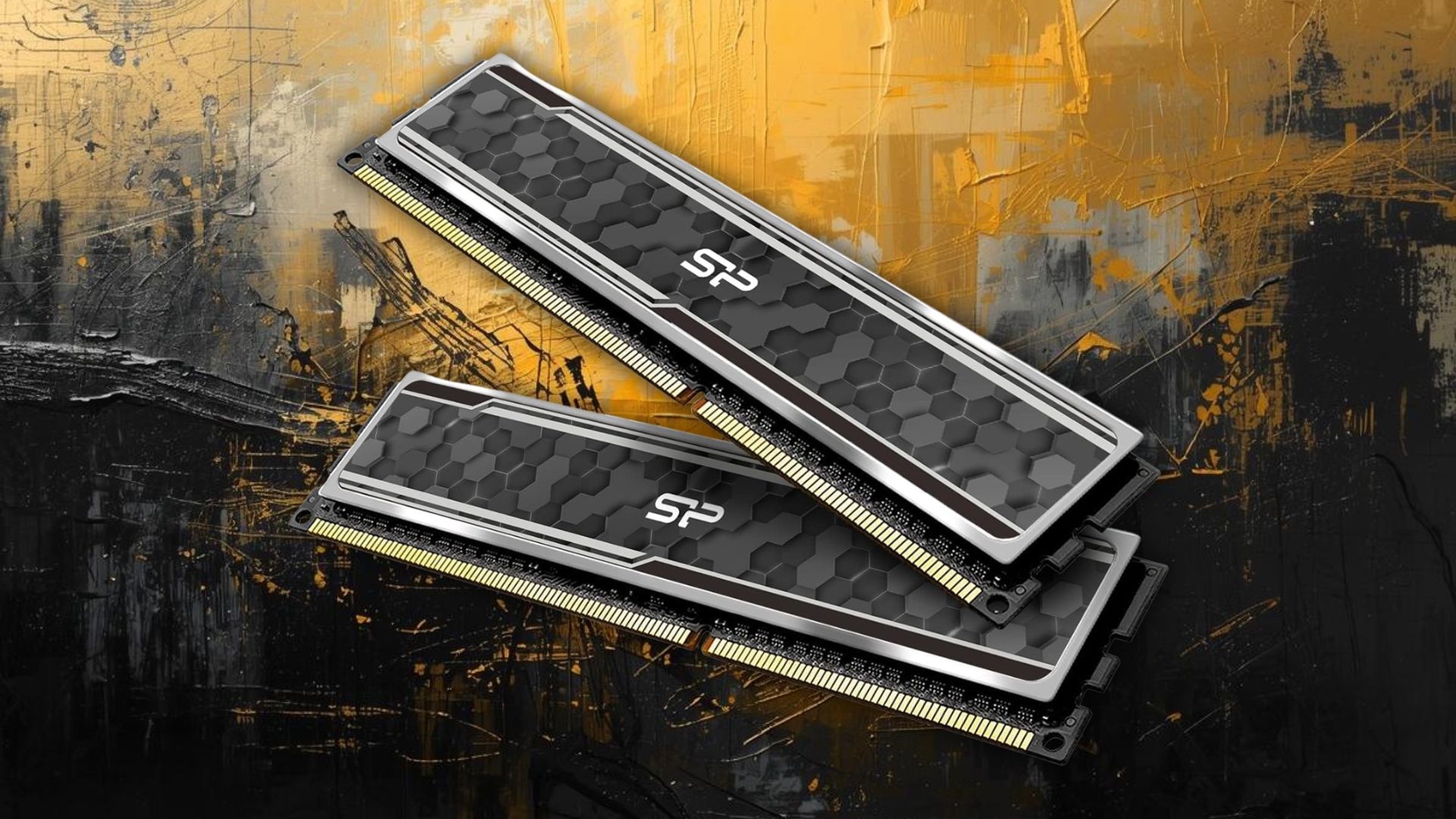
A recent incident involving a Reddit user and Silicon Power highlights the importance of understanding depreciation fees when returning RAM. The user, who purchased a 2x8GB RAM kit for $54.97, was charged a 15% depreciation fee when they returned the defective product.
What is a Depreciation Fee?
A depreciation fee is a charge imposed by manufacturers or retailers when a product is returned or replaced. This fee is typically calculated as a percentage of the original purchase price and is intended to reflect the decrease in value of the product over time.
However, in the case of the Reddit user, the depreciation fee seemed unfair, given that the value of RAM has skyrocketed in recent months. The user was expecting a replacement or a full refund, but instead, they were offered a partial refund of $46.72, which is significantly lower than the current market price of the RAM kit.
Why Do Manufacturers Impose Depreciation Fees?
Manufacturers impose depreciation fees to account for the decrease in value of a product over time. This fee is usually calculated based on factors such as product availability, length of product use, and the extent of damage.
However, in the case of RAM, the value can fluctuate rapidly due to changes in market demand and supply. This can make it difficult for manufacturers to determine a fair depreciation fee, and in some cases, the fee may seem unfair to the consumer.
What Can Consumers Do to Avoid Depreciation Fees?
To avoid depreciation fees, consumers should carefully review the return and refund policies of the manufacturer or retailer before making a purchase. They should also consider purchasing from retailers that offer flexible return policies and do not impose depreciation fees.
Additionally, consumers can consider purchasing RAM from manufacturers that offer warranties or guarantees that cover defects and replacements. This can provide peace of mind and protect against unexpected costs.
Conclusion
In conclusion, depreciation fees can be a significant issue for consumers who need to return or replace their RAM. While manufacturers impose these fees to account for the decrease in value of a product, they can seem unfair in certain situations.
By understanding depreciation fees and taking steps to avoid them, consumers can make informed purchasing decisions and protect themselves against unexpected costs. As the value of RAM continues to fluctuate, it is essential for consumers to be aware of these fees and to take steps to minimize their impact.
For example, consumers can consider the following tips when purchasing RAM:
- Check the return and refund policies of the manufacturer or retailer
- Consider purchasing from retailers that offer flexible return policies
- Purchase RAM from manufacturers that offer warranties or guarantees
By following these tips, consumers can minimize the risk of depreciation fees and ensure that they are protected in case they need to return or replace their RAM.
Frequently Asked Questions
Here are some frequently asked questions about depreciation fees and RAM returns:
- What is a depreciation fee, and how is it calculated?
- Why do manufacturers impose depreciation fees on RAM returns?
- How can consumers avoid depreciation fees when returning RAM?
- What are some tips for purchasing RAM to minimize the risk of depreciation fees?
- How can consumers protect themselves against unexpected costs when returning RAM?








