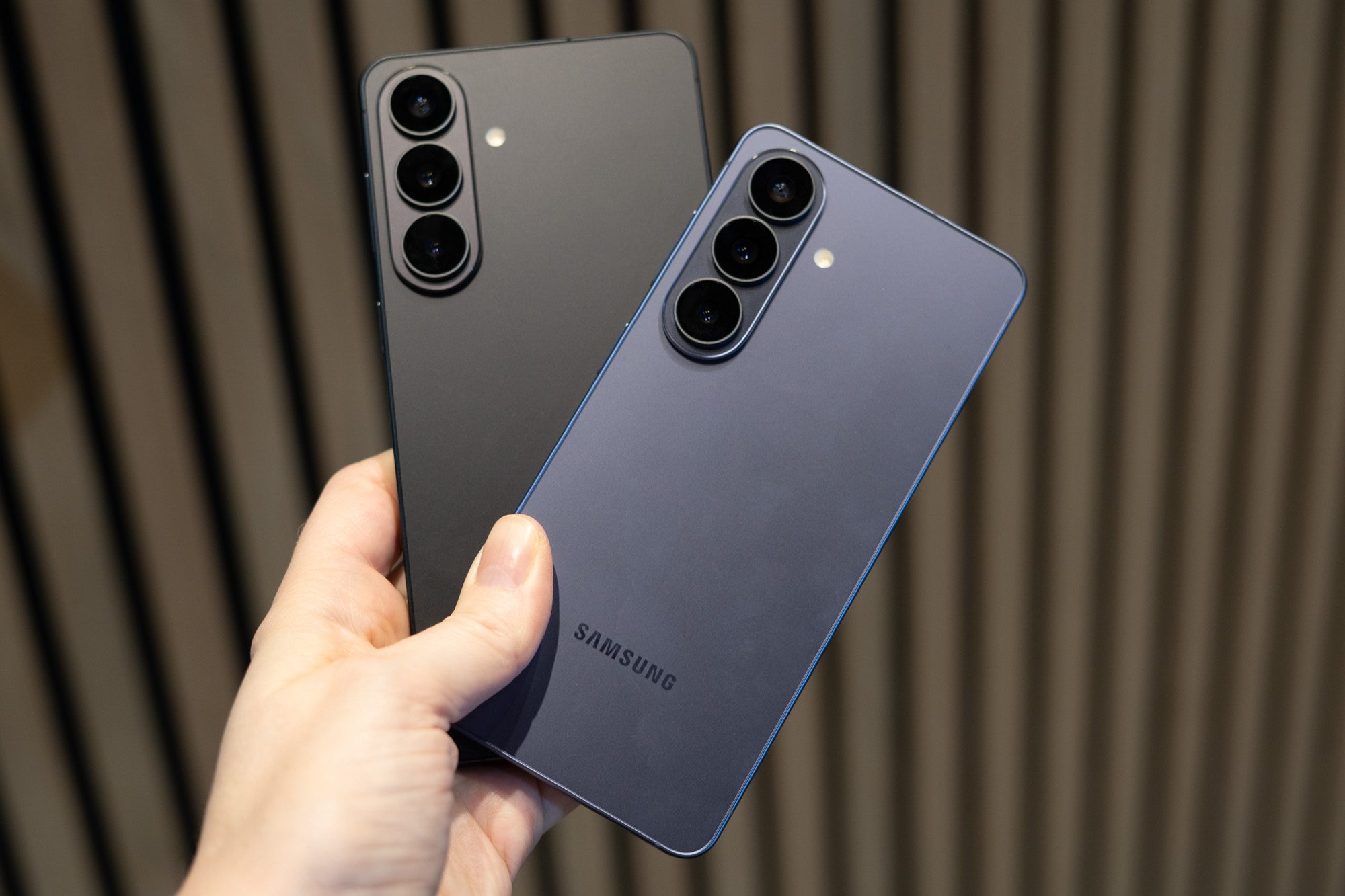
RAM Shortage Drives Galaxy S26 Price Hike
Samsung’s latest Galaxy S26 and S26 Plus models have sparked headlines not just for their specs but for their steep price increases. The culprit? A perfect storm of rising material costs, tariffs, and—most notably—a global RAM shortage. Samsung’s COO, Won-Joon Choi, has confirmed that the memory shortage alone played a “significant contribution” to the $100 price jump compared to the Galaxy S25. Let’s unpack how this “RAMageddon” is reshaping the smartphone market—and what it means for consumers.
Why the RAM Shortage Matters
The RAM shortage isn’t just a Samsung issue. Qualcomm, Samsung’s chip partner, warned investors in February that the memory crisis is cutting into its business by 100%. The AI industry’s insatiable demand for components has created a bottleneck, forcing manufacturers to pay premium prices for memory modules. This ripple effect is now hitting consumers’ wallets.
Key Factors Behind the Price Hike
- RAM and storage costs: The Galaxy S26 now offers 256GB storage as standard, but even this upgrade hasn’t offset the price surge.
- Tariffs: U.S. tariffs added to the cost structure, though Samsung has raised prices globally, not just in the U.S.
- Material inflation: Rising costs for materials like glass and batteries further inflated production expenses.
Broader Industry Impacts
The crisis isn’t limited to Samsung. Research firm IDC predicts a record 12.9% drop in global smartphone shipments in 2026. “This isn’t a temporary squeeze—it’s a tsunami-like shock,” writes IDC analyst Tom Kang. The memory shortage is now a defining challenge for the entire consumer electronics sector, from gaming consoles to laptops.
What’s Next for Smartphone Buyers?
Consumers should expect:
- Higher prices: Until 2027, memory costs are unlikely to stabilize.
- Delayed upgrades: Manufacturers may slow down product cycles to manage costs.
- More value-focused models: Look for budget-friendly options with reduced specs to offset premium models.
Galaxy S26’s Upsides and Downsides
While the price hike is jarring, the S26 series isn’t without upgrades. The Ultra model introduces a built-in privacy screen and a larger vapor chamber cooling system. However, the base models feel like “more of the same for more money,” as The Verge’s Allison Johnson noted. Samsung’s R&D chief also confirmed the removal of magnetic components to improve durability—a trade-off that might not satisfy all users.
How to Navigate the RAM Crisis
For buyers, patience may be key. Here’s how to make smart decisions:
- Wait for discounts: The S25 might still be a better deal in 2026.
- Consider alternatives: Competitors like Google and OnePlus are less affected by the memory shortage.
- Buy refurbished: High-end models from previous years offer better value.
Conclusion: A Turning Point for the Industry
The Galaxy S26’s price hike is a symptom of deeper supply chain issues. As Samsung’s COO admits, the RAM shortage is reshaping how phones are designed, priced, and marketed. While this means higher costs for now, it also pushes innovation in component efficiency. Stay tuned—this isn’t just about phones anymore. It’s about the future of tech manufacturing.
FAQs
How does the RAM shortage affect Galaxy S26 pricing?
The memory shortage is a primary driver of the $100 price increase, according to Samsung executives. Rising RAM and storage costs have forced manufacturers to pass expenses to consumers.
Will the Galaxy S26 price drop in 2026?
Unlikely. Analysts predict memory costs will remain high through 2027, keeping prices elevated.
Are other phone brands affected by the RAM shortage?
Yes. Apple, Google, and Xiaomi are also grappling with higher component costs, though their pricing strategies vary.
What’s a better alternative to the Galaxy S26?
Consider the Google Pixel 8 Pro or OnePlus 12, which offer competitive specs at lower prices.
How long will the RAM shortage last?
Most experts estimate the crisis will persist through 2027 as supply chains adjust to AI-driven demand.