Raspberry Pi Thermal Throttling: A Hidden Performance Killer
Meanwhile, many Raspberry Pi users are unaware of a significant issue affecting their device’s performance: thermal throttling. However, understanding what thermal throttling is and how it impacts your Raspberry Pi can help you optimize its performance. For example, thermal throttling occurs when your device’s CPU reaches a high temperature, causing it to slow down to prevent damage.
What is Thermal Throttling?
Additionally, thermal throttling is a common problem in many electronic devices, including the Raspberry Pi. Therefore, it’s essential to recognize the signs of thermal throttling, such as slow performance, crashes, or shutdowns. Furthermore, thermal throttling can be caused by various factors, including inadequate cooling, high ambient temperatures, or resource-intensive applications.
Causes of Thermal Throttling
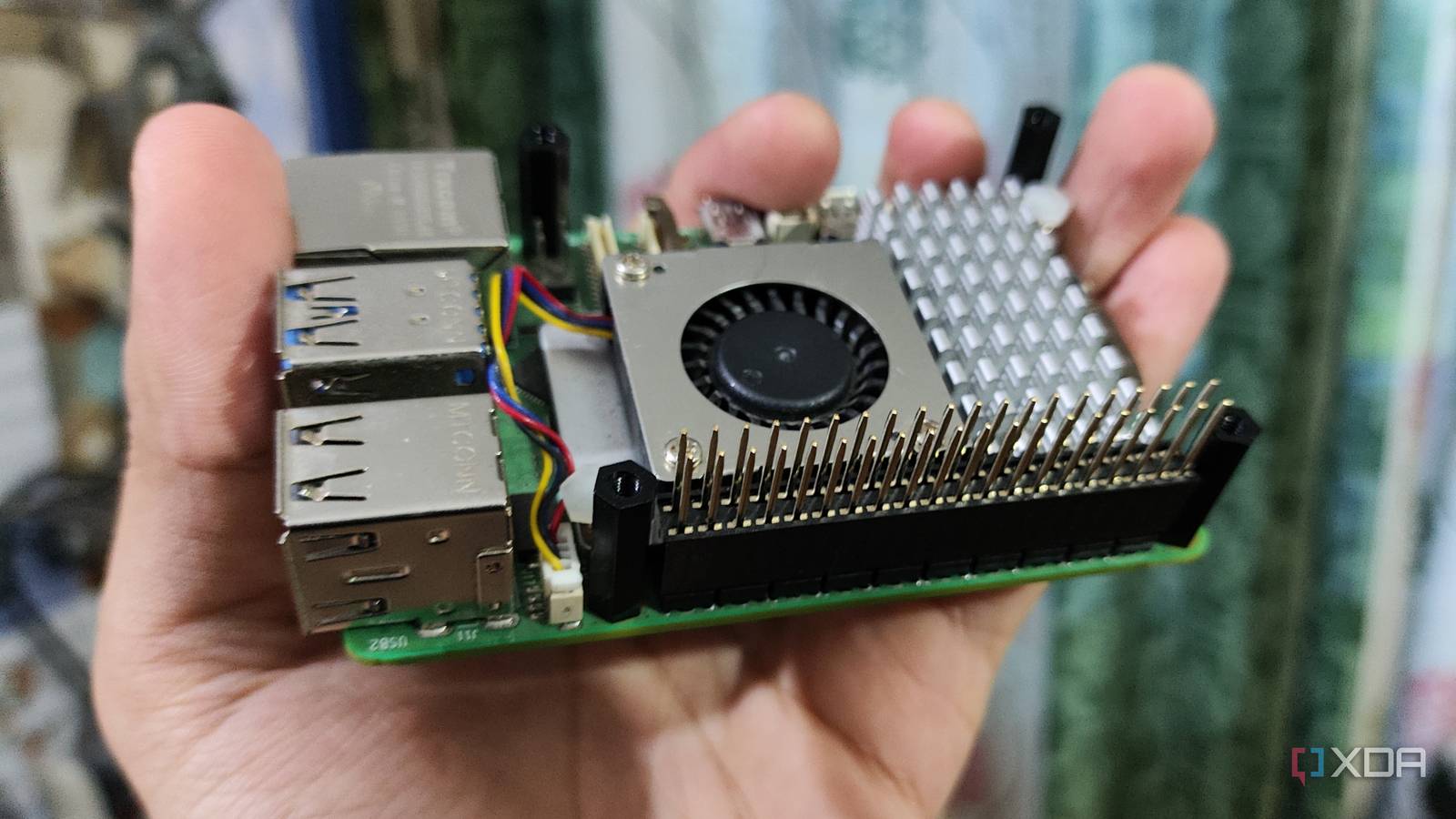
However, there are several ways to prevent or reduce thermal throttling in your Raspberry Pi. For instance, you can use a heatsink or a fan to improve cooling, or you can overclock your device to push its performance limits. Meanwhile, it’s also important to monitor your device’s temperature and adjust its settings accordingly.
Some practical tips to prevent thermal throttling include:
- Using a high-quality power supply to reduce heat generation
- Installing a heatsink or a fan to improve cooling
- Overclocking your device to push its performance limits
- Monitoring your device’s temperature and adjusting its settings accordingly
Preventing Thermal Throttling
Finally, preventing thermal throttling is crucial to ensuring your Raspberry Pi runs smoothly and efficiently. Therefore, it’s essential to take proactive measures to prevent thermal throttling, such as using a high-quality power supply, installing a heatsink or a fan, and monitoring your device’s temperature. Additionally, you can also consider using a case with good airflow or a cooling system specifically designed for the Raspberry Pi.
Conclusion
In conclusion, thermal throttling is a significant issue that can affect your Raspberry Pi’s performance. However, by understanding what thermal throttling is, recognizing its causes, and taking proactive measures to prevent it, you can ensure your device runs smoothly and efficiently. Meanwhile, don’t forget to monitor your device’s temperature and adjust its settings accordingly to prevent thermal throttling.
FAQs:
- What is thermal throttling in Raspberry Pi? Thermal throttling occurs when your device’s CPU reaches a high temperature, causing it to slow down to prevent damage.
- How can I prevent thermal throttling in my Raspberry Pi? You can prevent thermal throttling by using a high-quality power supply, installing a heatsink or a fan, and monitoring your device’s temperature.
- What are the signs of thermal throttling? The signs of thermal throttling include slow performance, crashes, or shutdowns.
- Can I overclock my Raspberry Pi to prevent thermal throttling? Overclocking your Raspberry Pi can push its performance limits, but it may also increase the risk of thermal throttling.
- How can I monitor my Raspberry Pi’s temperature? You can monitor your Raspberry Pi’s temperature using various tools and software, such as the
vcgencmdcommand or a temperature monitoring app.