Introduction to Real-Time Network Dashboards
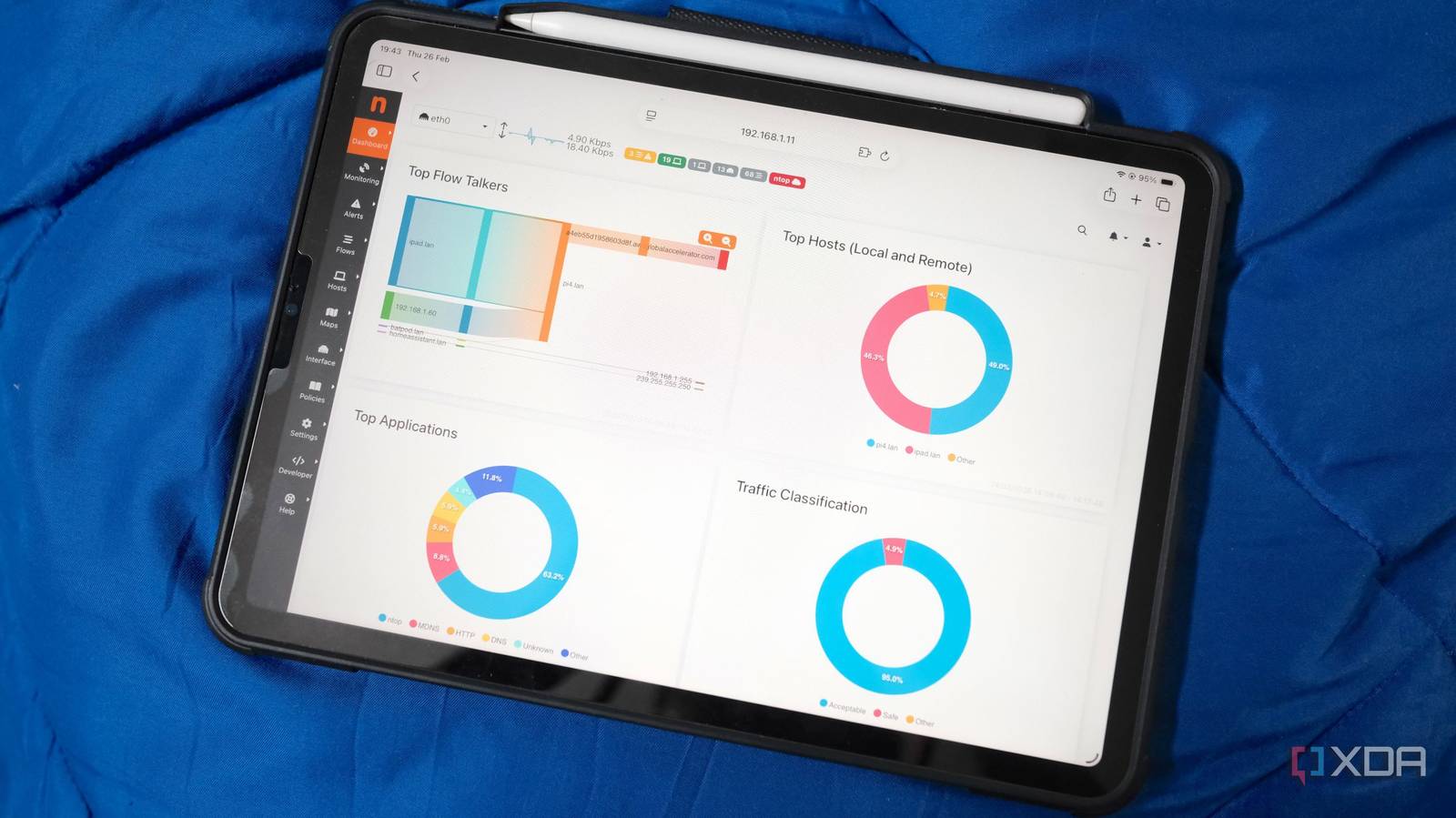
I recently built a network dashboard that provides real-time insights into every device and its activities. This project was both challenging and rewarding, as it allowed me to explore the capabilities of network monitoring tools.
What is a Network Dashboard?
A network dashboard is a centralized platform that displays information about network devices, their performance, and any potential issues. It’s an essential tool for network administrators, as it enables them to quickly identify and resolve problems.
For example, a network dashboard can show the status of devices, such as computers, smartphones, and servers, as well as their current activities, like data transfer rates and packet loss.
Benefits of Real-Time Network Dashboards
Real-time network dashboards offer several benefits, including improved network performance, enhanced security, and increased productivity. By monitoring network activities in real-time, administrators can promptly respond to issues, reducing downtime and improving overall network efficiency.
Additionally, real-time dashboards can help identify potential security threats, such as unauthorized access or malware, allowing administrators to take proactive measures to protect the network.
Building a Real-Time Network Dashboard
Building a real-time network dashboard requires careful planning, as it involves collecting and processing large amounts of data from various sources. However, with the right tools and expertise, it’s possible to create a customized dashboard that meets specific needs.
Some key considerations when building a real-time network dashboard include data collection, processing, and visualization. It’s essential to choose the right tools and technologies to ensure that the dashboard is scalable, reliable, and easy to use.
Best Practices for Real-Time Network Dashboards
To get the most out of a real-time network dashboard, it’s essential to follow best practices, such as regularly updating software and firmware, monitoring network performance, and analyzing logs and alerts.
Furthermore, it’s crucial to ensure that the dashboard is user-friendly and provides actionable insights, enabling administrators to make informed decisions quickly.
In conclusion, real-time network dashboards are powerful tools that can help administrators improve network performance, security, and productivity. By following best practices and using the right tools, it’s possible to create a customized dashboard that meets specific needs and provides valuable insights.