
Rebel100 AI Accelerator: Quad-Chiplet Breakthrough with UCIe
What is the Rebel100 AI Accelerator?
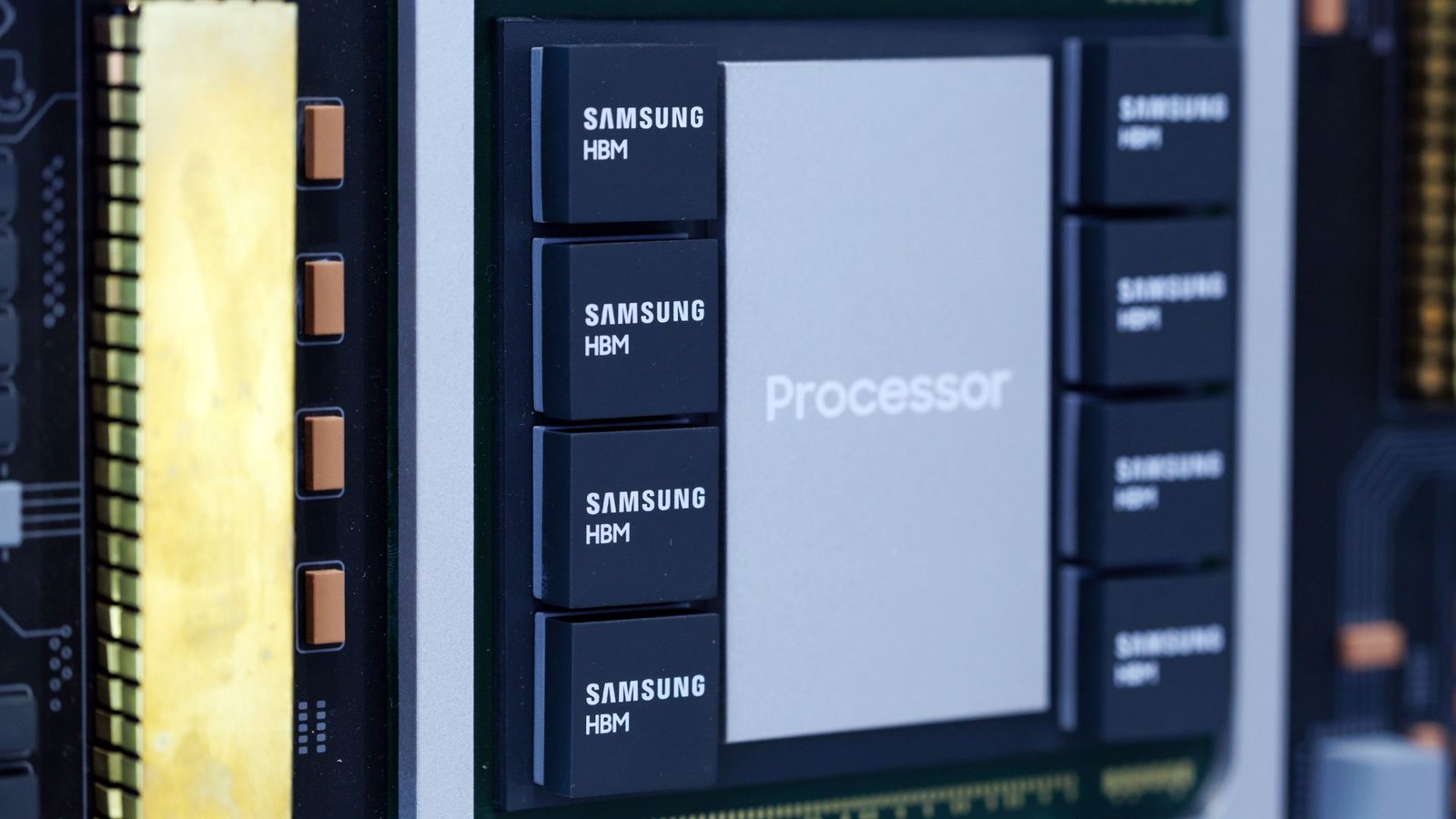
Rebellions, a South Korean AI inference accelerator designer, has unveiled the Rebel100 AI Accelerator at ISSCC 2026. This quad-chiplet design leverages UCIe interconnects to deliver performance rivaling Nvidia’s H200 while consuming less power. The Rebel100 marks a pivotal step in multi-chiplet AI hardware, combining Samsung’s SF4X process and advanced packaging to achieve 2 FP8 PFLOPS at 600W.
Key Features and Performance
UCIe Interconnects and Power Efficiency
The Rebel100 uses UCIe-Advanced die-to-die interfaces at 16Gbps, aggregating 4 TB/s bandwidth. This enables seamless communication between four chiplets, each with 320mm² NPUs and 144 GB HBM3E memory. The design claims 11ns latency, making the system behave as a single processor.
Scalability for Future AI Workloads
Rebellions positions the Rebel100 as a foundation for cross-node systems supporting trillion-parameter models. With 256 MB scratchpad memory and a 128 TB/s bandwidth, the accelerator is optimized for large language models like LLaMA v3.3, achieving 56.8 TPS in single-batch tasks.
Competitive Edge Over Nvidia H200
While Nvidia’s H200 delivers 1 FP16 PFLOPS at 700W, the Rebel100 matches this performance at 600W. This 14% power reduction, combined with UCIe’s industry-standard interconnects, positions Rebellions as a disruptor in energy-efficient AI hardware.
Why the Rebel100 Matters
As AI demands outpace semiconductor scaling, multi-chiplet designs like the Rebel100 offer a scalable, cost-effective solution. By adopting UCIe, Rebellions aligns with industry trends, enabling partners to build clusters of thousands of accelerators for enterprise and cloud applications.








