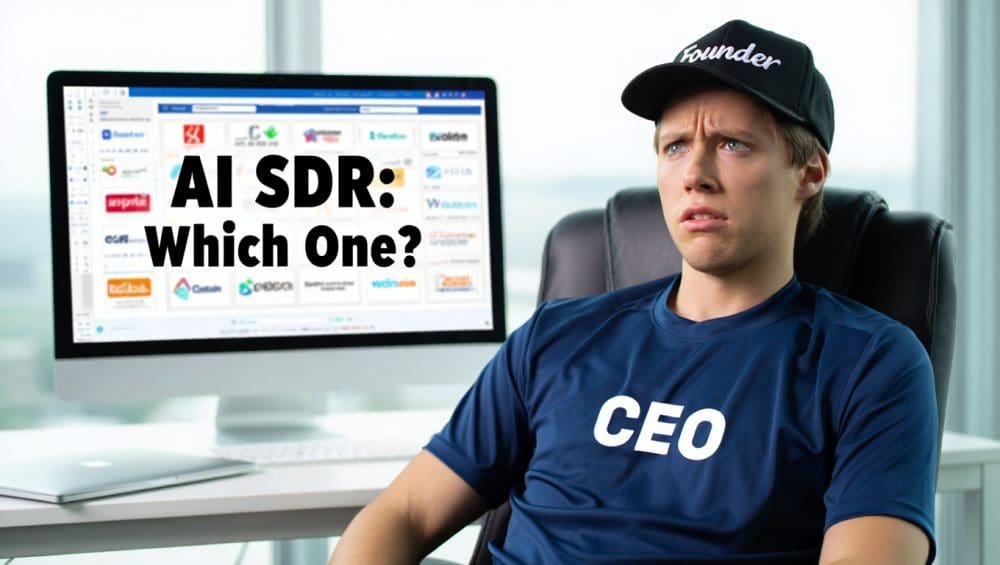
Introduction to AI in Business
Artificial intelligence (AI) is transforming the way businesses operate, making them more efficient and competitive. Meanwhile, companies that fail to adapt risk being left behind. For example, AI-powered tools can analyze vast amounts of data, providing valuable insights that inform business decisions.
However, implementing AI solutions can be daunting, especially for small and medium-sized enterprises. Therefore, it’s essential to understand the benefits and challenges of AI adoption. Additionally, businesses must consider the ethical implications of AI, ensuring that its use aligns with their values and principles.
Benefits of AI in Business
The integration of AI in business has numerous benefits, including increased productivity, improved customer service, and enhanced decision-making. Moreover, AI can automate repetitive tasks, freeing up staff to focus on more strategic and creative work. For instance, chatbots can handle customer inquiries, providing 24/7 support and reducing the workload of human customer service agents.
Furthermore, AI can help businesses to better understand their customers, analyzing their behavior and preferences to create personalized marketing campaigns. Meanwhile, AI-powered predictive analytics can forecast sales and revenue, enabling companies to make informed decisions about investments and resource allocation.
AI-Powered Tools and Technologies
There are various AI-powered tools and technologies that businesses can leverage to improve their operations. These include machine learning algorithms, natural language processing, and computer vision. Additionally, the Internet of Things (IoT) can provide businesses with real-time data, enabling them to respond quickly to changes in the market.
However, the adoption of these technologies requires significant investment in infrastructure and talent. Therefore, businesses must carefully consider their AI strategy, ensuring that it aligns with their overall goals and objectives. Meanwhile, they must also address the ethical concerns surrounding AI, such as bias in decision-making and job displacement.
Challenges of AI Adoption
Despite the benefits of AI, its adoption can be challenging, particularly for businesses with limited resources. For example, the development and implementation of AI solutions require specialized skills and expertise. Moreover, the integration of AI with existing systems and processes can be complex, requiring significant investment in infrastructure and training.
Meanwhile, businesses must also consider the risks associated with AI, such as data breaches and cyber attacks. Therefore, they must implement robust security measures to protect their systems and data. Additionally, they must ensure that their AI systems are transparent and explainable, providing clear insights into decision-making processes.
Best Practices for AI Adoption
To overcome the challenges of AI adoption, businesses must follow best practices, such as starting small and scaling up gradually. Additionally, they must prioritize transparency and explainability, ensuring that their AI systems are fair and unbiased. Meanwhile, they must invest in talent and training, developing the skills and expertise needed to develop and implement AI solutions.
Furthermore, businesses must consider the ethical implications of AI, ensuring that its use aligns with their values and principles. Therefore, they must establish clear guidelines and policies for AI adoption, providing a framework for decision-making and implementation.
Conclusion
In conclusion, AI is transforming the way businesses operate, making them more efficient and competitive. However, its adoption can be challenging, particularly for businesses with limited resources. Therefore, businesses must carefully consider their AI strategy, ensuring that it aligns with their overall goals and objectives.
Meanwhile, they must follow best practices, such as starting small and scaling up gradually, prioritizing transparency and explainability, and investing in talent and training. Additionally, they must consider the ethical implications of AI, ensuring that its use aligns with their values and principles.
Finally, businesses must stay up-to-date with the latest developments in AI, attending conferences and workshops, and participating in online forums and discussions. By doing so, they can stay ahead of the curve, leveraging AI to drive innovation and growth.
Frequently Asked Questions
Q: What is AI, and how can it benefit my business?
A: AI refers to the development of computer systems that can perform tasks that typically require human intelligence, such as learning, problem-solving, and decision-making. AI can benefit your business by increasing productivity, improving customer service, and enhancing decision-making.
Q: How can I implement AI in my business?
A: To implement AI in your business, you must first identify areas where AI can add value, such as customer service, marketing, or operations. Then, you must develop an AI strategy, investing in talent and training, and establishing clear guidelines and policies for AI adoption.
Q: What are the risks associated with AI adoption?
A: The risks associated with AI adoption include data breaches and cyber attacks, job displacement, and bias in decision-making. To mitigate these risks, businesses must implement robust security measures, invest in talent and training, and establish clear guidelines and policies for AI adoption.
Q: How can I ensure that my AI systems are transparent and explainable?
A: To ensure that your AI systems are transparent and explainable, you must prioritize transparency and explainability, providing clear insights into decision-making processes. Additionally, you must invest in talent and training, developing the skills and expertise needed to develop and implement AI solutions.
Q: What is the future of AI in business?
A: The future of AI in business is exciting and rapidly evolving. As AI technologies continue to advance, we can expect to see even more innovative applications of AI in business, from autonomous vehicles to personalized medicine.