Introducing Ava, a Different Kind of ChatGPT
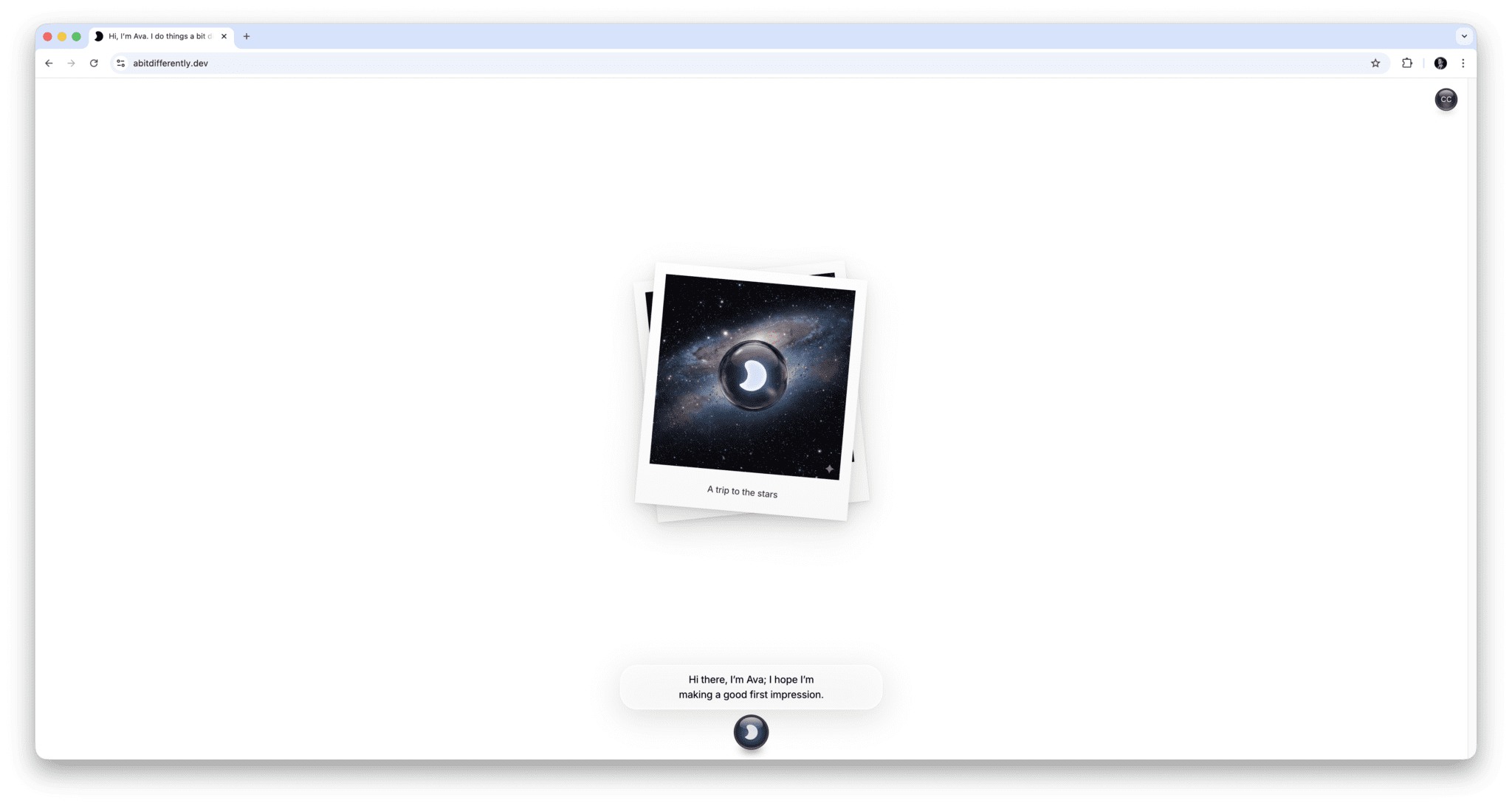
Ava is a cutting-edge chatbot designed to change the way we interact with devices and apps. With natural language processing at its core, Ava aims to make traditional UI elements like menus and sidebars obsolete. Instead, users can simply ask for what they need, and Ava will take care of the rest.
How Ava Works
Ava’s functionality is built around a unique architecture that combines the power of large language models (LLMs) with a custom-built orchestrator. This allows Ava to understand the context of the user’s prompt and respond accordingly. Whether it’s answering a question or taking an action, Ava is designed to provide a seamless and intuitive experience.
For example, if a user asks Ava to book a flight, the chatbot will use its orchestrator to render a view that allows the user to select their travel dates and destination. From there, Ava will take care of the rest, using its integrations with external services to complete the booking process.
Key Features and Benefits
So what sets Ava apart from other chatbots on the market? Here are just a few of its key features and benefits:
- Natural Language Processing: Ava uses advanced NLP to understand the context and intent behind the user’s prompt.
- Custom-Built Orchestrator: Ava’s orchestrator allows it to render different views and take actions based on the user’s prompt.
- Integrations with External Services: Ava can integrate with a wide range of external services, from travel booking to customer support.
Tradeoffs and Challenges
While Ava is a powerful and innovative chatbot, its development was not without its challenges. One of the biggest tradeoffs was between reliability, speed, and safety. To address these concerns, the development team used a combination of caching, smaller models, and embeddings to reduce latency and hallucinations.
Additionally, the team had to balance the need for a seamless user experience with the need for safety and confirmation flows. This was particularly important when Ava was asked to take actions rather than just answer questions. To address this, the team implemented a range of safeguards, including user authentication and authorization.
Real-World Applications
So what are the real-world applications of Ava and other chatbots like it? Here are just a few examples:
- Customer Support: Chatbots like Ava can be used to provide customer support and answer frequently asked questions.
- Travel Booking: Ava can be used to book flights, hotels, and other travel arrangements.
- Personal Assistants: Chatbots like Ava can be used as personal assistants, helping users to manage their schedules and tasks.
Finally, it’s worth noting that Ava is still a relatively new and evolving technology. As such, it’s not yet fully baked, and there are still some tradeoffs and challenges to be addressed. However, with its unique architecture and powerful features, Ava has the potential to revolutionize the way we interact with devices and apps.
Therefore, if you’re interested in learning more about Ava and how it can be used in your business or personal life, be sure to check out the demo and sign up for the waiting list.
Meanwhile, we’d love to hear your thoughts on Ava and the future of chatbots. Do you think Ava is a game-changer, or is it just another reskinned LLM? Let us know in the comments below.
Additionally, if you have any questions about Ava or its development, don’t hesitate to ask. We’re always happy to help and provide more information.
For example, you might be wondering how Ava’s orchestrator works, or how the development team addressed the tradeoffs between reliability, speed, and safety. Whatever your question, we’re here to help and provide more insights into the world of chatbots and AI.
In conclusion, Ava is a powerful and innovative chatbot that has the potential to revolutionize the way we interact with devices and apps. With its unique architecture and powerful features, Ava is an exciting development in the world of AI and chatbots.