Introduction
Logistics networks are riddled with inefficiencies—manual scheduling, paper-based processes, and static schedules that ignore dynamic demand. For companies managing global shipment networks, these gaps cost millions annually. As a data science leader in a fast-growing logistics firm, I spearheaded a line-haul optimization project that combined machine learning with zero-shot generalization to tackle these challenges head-on.
Why Traditional Optimization Fails
Most logistics optimization projects focus on narrow metrics like cost reduction or speed. However, our goal was broader: creating a system that adapts to unseen scenarios without retraining. Traditional tools like Google OR-Tools solved simplified versions of our problem but failed to address real-world complexities like stochastic demand and evolving business rules.
Four Critical Decisions in Scheduling
- Package Selection: Prioritizing high-value shipments to avoid SLA penalties.
- Routing: Choosing optimal warehouse transitions in a dynamic network.
- Vehicle Allocation: Balancing fleet efficiency against underutilization risks.
- Inaction Strategy: Knowing when to delay shipments for maximum impact.
Building a Generalizable Solution
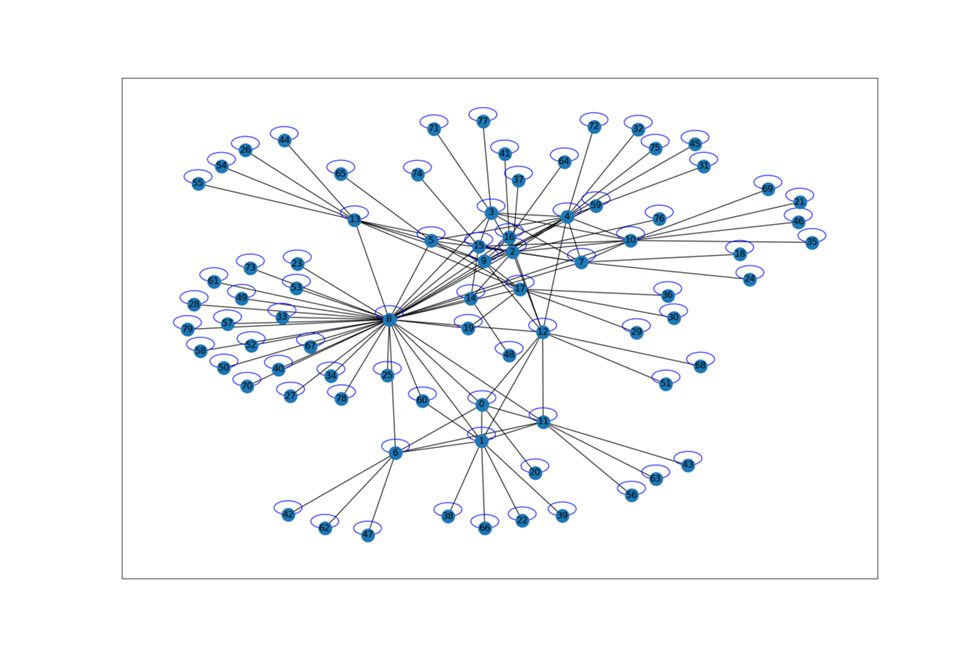
Our approach centered on training a reinforcement learning agent to handle 100+ terminals across 20-day simulation periods. Key requirements included:
System Constraints
- Hard limits on vehicle weight (kg) and volume (m³)
- Hourly decision intervals with 480 steps per episode
- Dynamic SLA windows and fluctuating demand patterns
Performance Metrics
- Primary: Shipment costs, late delivery rates, vehicle utilization
- Secondary: Average transit time, long-term network efficiency
Why Machine Learning Wins
Unlike linear optimization, our ML model learned to handle temporal dependencies and evolving constraints. By prioritizing generalization over perfection, we achieved:
- Zero-shot Adaptability: The agent solved new scenarios without retraining
- Cost Savings: 1% utilization improvements translated to $7M+ annual savings
- Scalability: The system adapts to network changes without code rewrites
Challenges and Future Potential
While our project never reached full production, the proof of concept demonstrated ML’s potential to revolutionize logistics. The key takeaway: successful optimization requires balancing technical precision with business agility. As one comedian wisely said, “Eventually somebody will do it anyway. Let it be us.”