Introduction to NTCDL
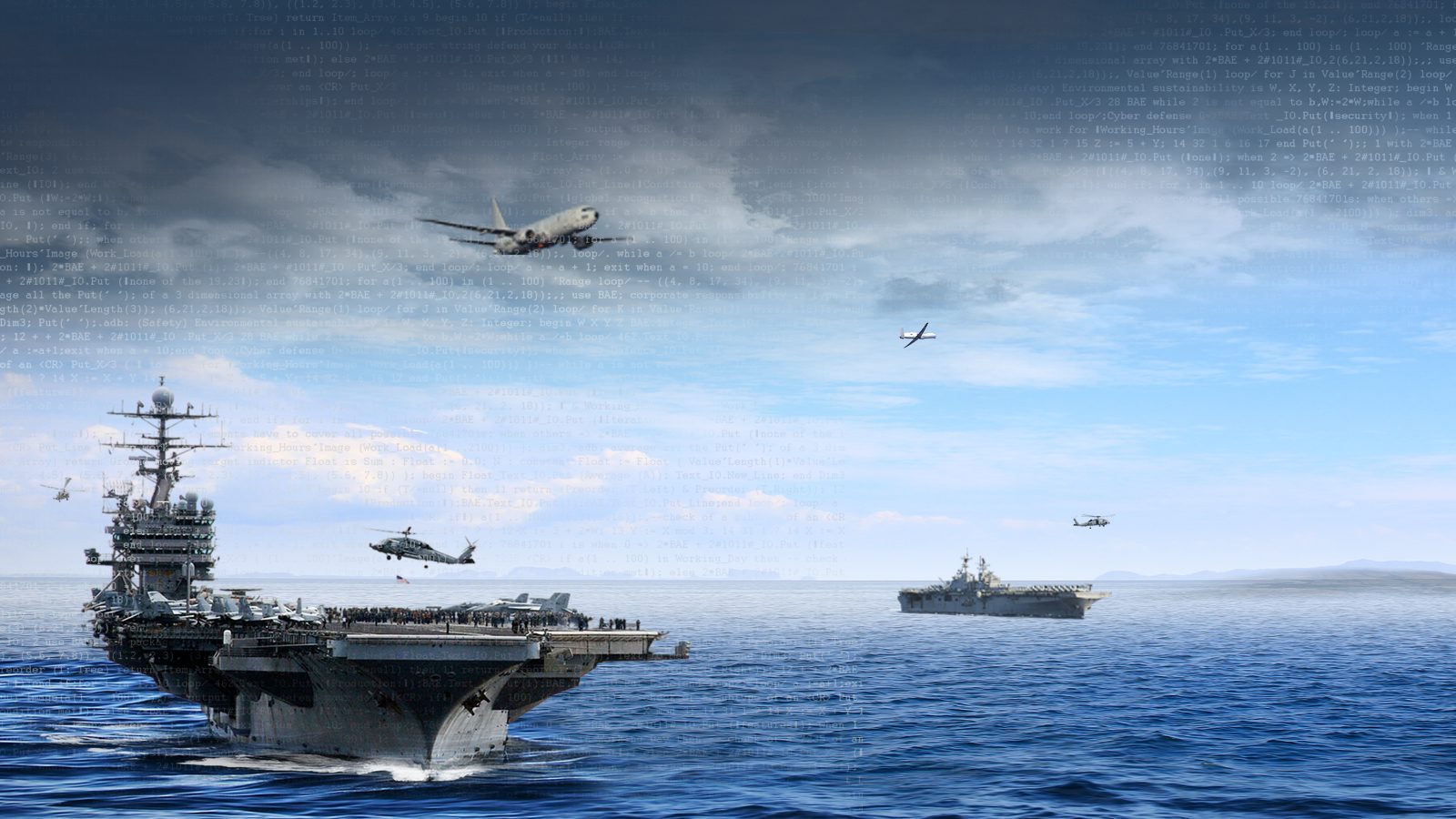
The U.S. Navy faces unique communications challenges due to the need for ships at sea to communicate over long distances without traditional network infrastructure. To address this, the Navy has developed the Network Tactical Common Data Link (NTCDL) system, which enables carrier strike groups to share data across different formats.
What is NTCDL?
NTCDL is a real-time, multi-channel data link communication system that extends line of sight for the fleet, providing decision space and situational awareness. It allows for 360-degree, multi-channel communication with multiple assets, a first-of-its-kind capability.
Key Features of NTCDL
NTCDL enables the exchange of voice, data, imagery, and full-motion video simultaneously, allowing decision-makers to make informed decisions in real-time. The system is made up of radios, data links, and antennas, creating a secure communication network.
Benefits of NTCDL
NTCDL provides the Navy with new capabilities that amplify a coordinated tactical advantage. It enables operators to extend the range of communications, provides 360-degree coverage, and allows for secure communications with manned and unmanned platforms.
Use Cases for NTCDL
NTCDL can be used for various missions, including anti-submarine warfare, search and rescue, and surveillance. It provides full-motion video and real-time communications, going beyond legacy systems.
Cybersecurity and NTCDL
NTCDL is designed to prevent insider threats and operates under strict cybersecurity risk management framework guidelines. The system is fully locked down, setting it apart from previous-generation common data link systems.
Conclusion
NTCDL is revolutionizing naval communications, providing the Navy with new capabilities that enhance situational awareness and decision-making. With its modular, scalable design, NTCDL is ready for next-generation waveform evolution and the next phase of DoD enterprise.