Introduction to Remote Phone Verification
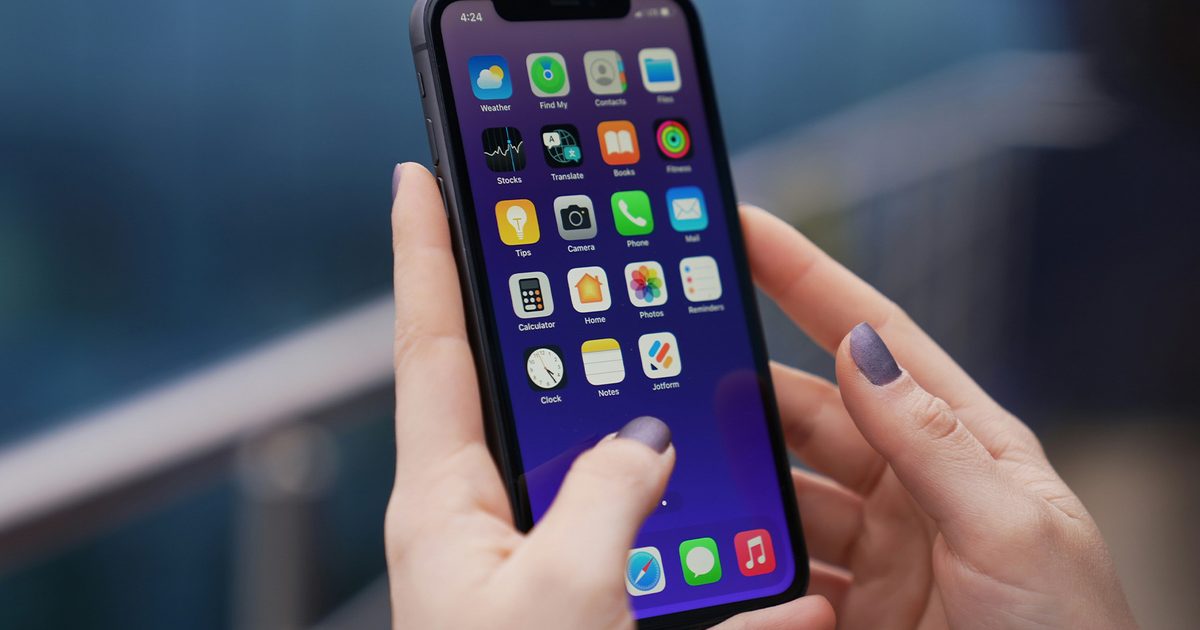
Imagine a world where your smartphone’s integrity can be verified without ever needing to physically access it. Researchers from the American Institute of Physics have developed a groundbreaking technique to detect tampering and hidden modifications in smartphones using radio-frequency signals from a distance.
How Remote Tampering Detection Works
The innovative approach utilizes a robust over-the-air testing platform to analyze how a smartphone’s radio hardware behaves when communicating wirelessly. Every phone’s radio components produce a unique ‘fingerprint’ when transmitting signals, which changes subtly but measurably if the device has been modified, damaged, or compromised.

The Science Behind Radio Frequency Fingerprints
The team demonstrated that this method can reliably distinguish between original, untouched phones and devices that have been tampered with. By comparing a phone’s radio-frequency behavior to known baselines, the system can spot signs of modification, making it an effective tool for remote phone verification.
- Unique radio frequency fingerprints for each device
- Subtle changes in fingerprints indicate tampering or modification
- Comparison to known baselines enables accurate detection
Why Remote Phone Verification Matters
Detecting hardware tampering currently requires physical inspections or specialized lab testing, making large-scale verification challenging in secure facilities, airports, or offices. The new approach aims to change this by using a remote test setup, analyzing a phone’s radio-frequency behavior to verify device integrity.
Practical Applications of Remote Phone Verification
The implications are significant, with potential uses across multiple industries, including:
- Government and enterprise device screening for security purposes
- Manufacturer verification of products throughout supply chains
- Second-hand marketplaces confirming device integrity before resale
As the research continues to evolve, we can expect to see remote phone verification become an integral part of our digital lives, ensuring the security and trustworthiness of our devices.
Conclusion and Future Outlook
In conclusion, the development of remote tampering detection technology marks a significant shift toward hardware-level security. As we move forward, it’s essential to consider the potential applications and implications of this innovation. With the ability to verify device integrity from a distance, we can expect a future where trust checks happen seamlessly behind the scenes.
Call to Action: Stay ahead of the curve and explore the latest advancements in smartphone security. Discover how remote phone verification can benefit your organization or industry, and join the conversation on the future of device trust and security.
Frequently Asked Questions
- Q: What is remote tampering detection, and how does it work?
A: Remote tampering detection uses radio-frequency signals to analyze a smartphone’s radio hardware behavior and detect signs of modification or tampering. - Q: What are the potential applications of remote phone verification?
A: Remote phone verification can be used in various industries, including government, enterprise, manufacturing, and second-hand marketplaces, to ensure device security and integrity. - Q: Is remote tampering detection currently available for public use?
A: The research is still experimental, but it reflects a growing shift toward hardware-level security and has the potential for future applications. - Q: How does remote phone verification impact everyday users?
A: While everyday users may not directly interact with this technology, it can provide an additional layer of security and trust in their devices. - Q: What is the focus keyword for this article?
A: The focus keyword for this article is ‘remote tampering detection’.