Revolutionizing Submarine Manufacturing with AI & Robotics
What happens when a critical military program faces a 70-million-man-hour labor deficit? The U.S. Navy’s answer is a bold experiment in Cherokee, Alabama: a $2.4 billion “factory of the future” that blends AI, robotics, and human expertise to build submarines faster than ever before.
The U.S. Navy’s Submarine Production Bottleneck
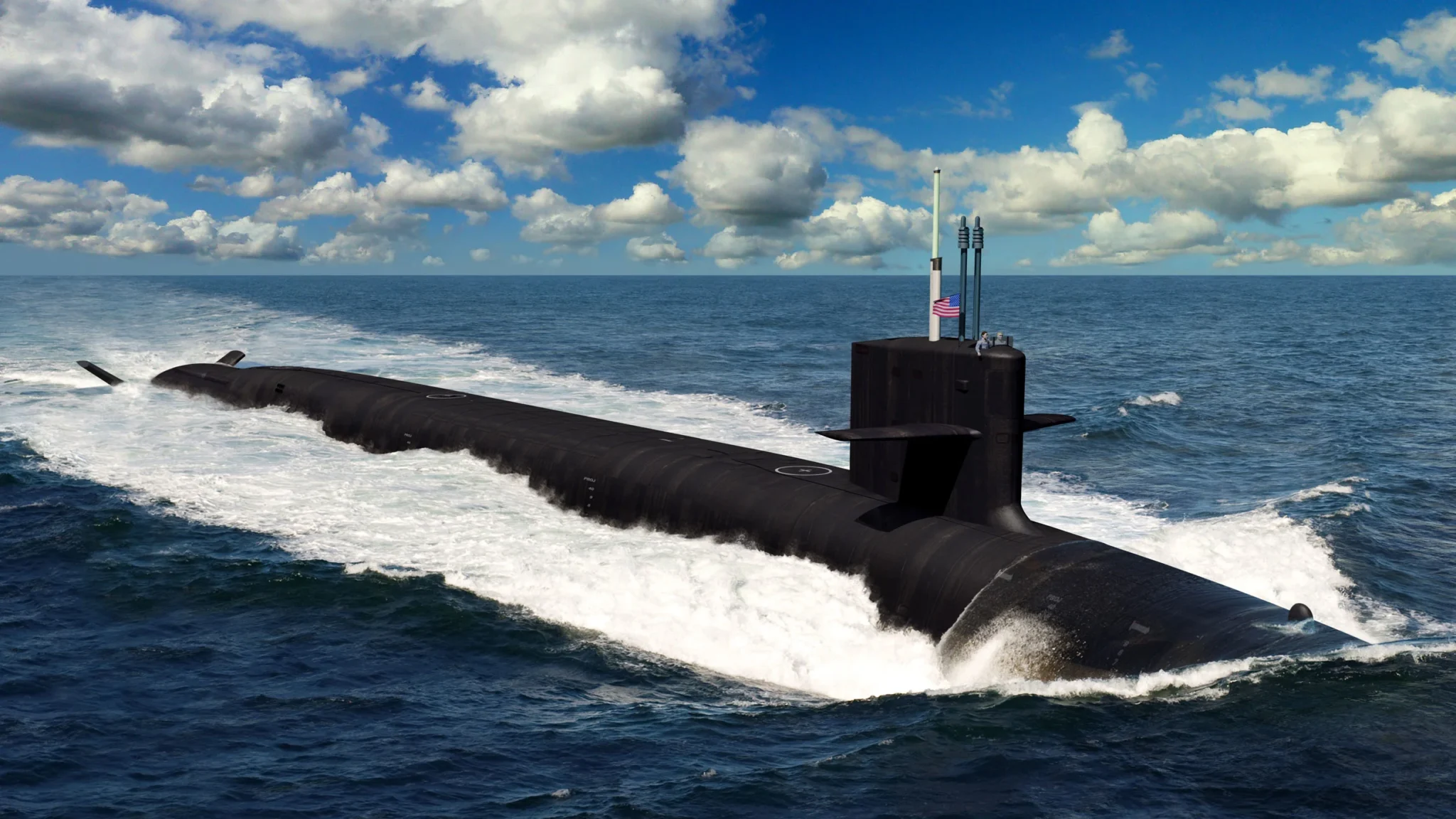
Submarines are the backbone of modern naval strategy, but building them is no simple task. The Virginia-class attack submarines and Columbia-class ballistic missile submarines form the core of America’s underwater fleet. Yet production has stalled due to a shortage of skilled labor—a problem rooted in decades of manufacturing offshoring.
How Labor Shortages Stifled Progress
Chris Power, CEO of Hadrian (the company behind the Alabama facility), explains: “The deficit traces back to the 1980s and 1990s when manufacturing jobs left the U.S. Now, we’re racing to rebuild that expertise.” With demand for military hardware rising, the Navy needs a solution that doesn’t rely on traditional hiring alone.
How Alabama’s Facility is Changing the Game
The new Cherokee facility promises to automate 80–90% of complex submarine component production. By integrating robotics with AI-driven workflows, the factory aims to supercharge productivity while reducing reliance on scarce human labor.
Virginia & Columbia Classes: The Focus of Innovation
This automated system will produce parts for two critical submarine classes:
- Virginia-class: Attack submarines for covert operations
- Columbia-class: Ballistic missile carriers for strategic deterrence
Production is set to begin later this year, with full capacity expected by 2026.
Automation’s Role in Productivity
“We’re giving workers superpowers,” says Power. The facility will handle tasks like:
- 3D printing complex subassemblies
- AI-guided quality control inspections
- Robotic welding of pressure hulls
This approach addresses both speed and consistency—two challenges that have plagued submarine manufacturing for decades.
Challenges Beyond Production
While automation solves the “how to build” problem, it doesn’t resolve what happens after deployment. Maintaining and repairing submarines remains a human-intensive process. Power acknowledges: “Automation helps us build faster, but we still need skilled technicians to keep these systems running.”
Maintenance: The Unseen Battlefront
Even with AI-driven production, the Navy faces a growing maintenance backlog. Every submarine requires regular overhauls, and the shortage of specialized repair workers persists. This highlights a critical truth: technology alone can’t solve all workforce challenges.
Why This Matters for National Security
In an era of rising geopolitical tensions, the ability to rapidly deploy advanced submarines is non-negotiable. The Alabama facility represents more than just a manufacturing upgrade—it’s a strategic investment in U.S. maritime dominance.
Stay informed about the future of defense tech. Follow our blog for updates on how AI and robotics are reshaping military capabilities.