
Introduction to AI-Powered Video Editing
Video editing can be a time-consuming and labor-intensive process, requiring hours of manual work to achieve the desired outcome. However, with the advent of AI technology, it is now possible to automate many aspects of video editing, freeing up creatives to focus on the artistic direction of their projects.
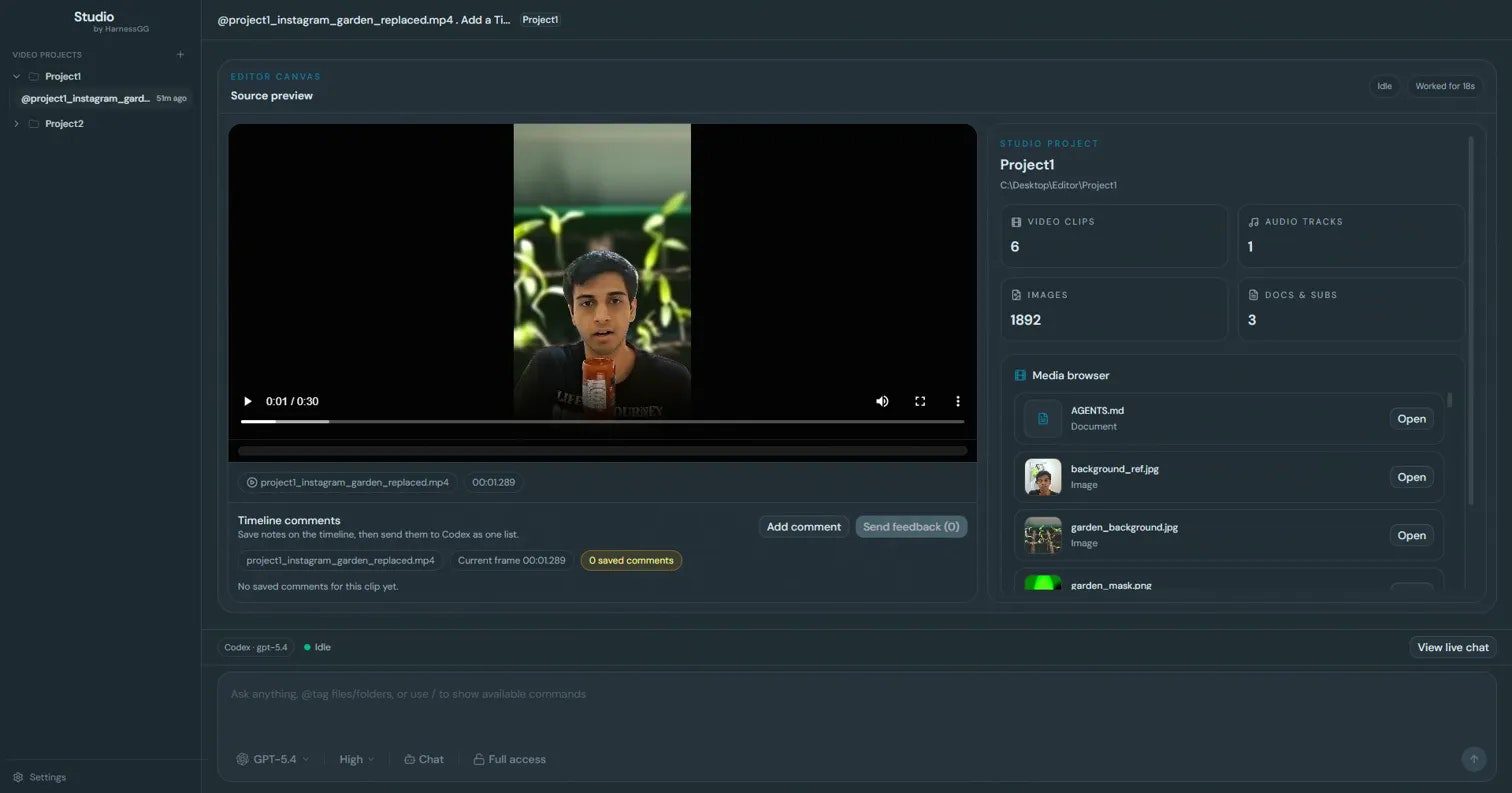
Meanwhile, the development of AI-powered video editing tools has been gaining momentum, with several solutions emerging in recent years. For example, HarnessGG is an open-source platform that enables AI agents to control desktop applications, including video editing software like Kdenlive, Blender, and GIMP.
How AI Agents Can Assist with Video Editing
AI agents can perform a variety of tasks, including transcribing and subtitling clips, swapping backgrounds, and adding transitions. Additionally, they can assist with color correction, sound design, and visual effects, making it possible to produce high-quality videos quickly and efficiently.
Furthermore, AI-powered video editing tools can learn from user feedback and adapt to their preferences over time, allowing for more personalized and effective editing experiences. Therefore, it is essential to explore the potential of AI in video editing and how it can benefit creatives and businesses alike.
Benefits of AI-Powered Video Editing
The benefits of AI-powered video editing are numerous, including increased productivity, improved quality, and enhanced creativity. By automating routine tasks, AI agents can free up human editors to focus on the creative aspects of video production, resulting in more engaging and effective content.
Moreover, AI-powered video editing can help reduce costs and improve turnaround times, making it an attractive solution for businesses and individuals looking to produce high-quality video content without breaking the bank.
Real-World Applications of AI-Powered Video Editing
AI-powered video editing has a wide range of real-world applications, from social media and marketing to film and television production. For instance, AI agents can be used to create personalized video content for social media platforms, such as Instagram and YouTube.
Additionally, AI-powered video editing can be used in the film and television industry to automate tasks such as color correction and sound design, allowing human editors to focus on the creative aspects of storytelling.
Challenges and Limitations of AI-Powered Video Editing
While AI-powered video editing offers many benefits, it also presents several challenges and limitations. For example, AI agents may struggle to understand the nuances of human creativity and may require significant training and fine-tuning to produce high-quality results.
Moreover, the use of AI in video editing raises important questions about authorship and ownership, as well as the potential for job displacement in the creative industries.
Conclusion and Future Directions
In conclusion, AI-powered video editing is a rapidly evolving field that offers many exciting possibilities for creatives and businesses alike. As the technology continues to improve, we can expect to see more sophisticated and effective AI-powered video editing tools emerge.
Therefore, it is essential to stay up-to-date with the latest developments in AI-powered video editing and to explore the potential benefits and challenges of this technology. By doing so, we can unlock new creative possibilities and improve the efficiency and effectiveness of video production.
FAQs
Here are some frequently asked questions about AI-powered video editing:
- What is AI-powered video editing, and how does it work?
- What are the benefits of using AI-powered video editing tools?
- Can AI agents replace human editors, or are they meant to augment their work?
- What are the potential challenges and limitations of AI-powered video editing?
- How can I get started with AI-powered video editing, and what tools are available?








