
Introduction to Bluetooth Low Energy Audio
Meanwhile, the world of wireless audio is undergoing a significant transformation, thanks to the advent of Bluetooth Low Energy (LE) Audio. For example, this technology is not only changing the way we listen to music but also paving the way for innovative applications in hearing aids and other assistive devices. Additionally, the impact of Bluetooth LE Audio extends beyond the realm of consumer electronics, with potential applications in telecommunications and beyond.
What is Bluetooth Low Energy Audio?
However, before we dive into the details, it’s essential to understand what Bluetooth LE Audio is. Therefore, let’s take a closer look at this technology and its capabilities. Bluetooth LE Audio is a variant of the traditional Bluetooth protocol, designed to provide a more power-efficient and reliable connection for audio devices. Meanwhile, this technology has been gaining traction in recent years, with many manufacturers incorporating it into their products.
Key Benefits of Bluetooth Low Energy Audio
Additionally, Bluetooth LE Audio offers several benefits over traditional Bluetooth, including lower power consumption, improved audio quality, and enhanced reliability. For instance, these advantages make it an attractive option for devices that require long battery life, such as hearing aids and wireless headsets. Furthermore, the technology also supports multiple audio streams, enabling new use cases like audio sharing and broadcasting.
Applications of Bluetooth Low Energy Audio
Meanwhile, the applications of Bluetooth LE Audio extend far beyond consumer electronics. However, one of the most significant areas of impact is in the field of hearing aids and assistive devices. Therefore, let’s explore some of the ways in which Bluetooth LE Audio is revolutionizing these industries. For example, the technology enables hearing aids to connect directly to audio sources, such as TVs and smartphones, providing a more seamless and convenient listening experience.
Real-World Examples of Bluetooth Low Energy Audio
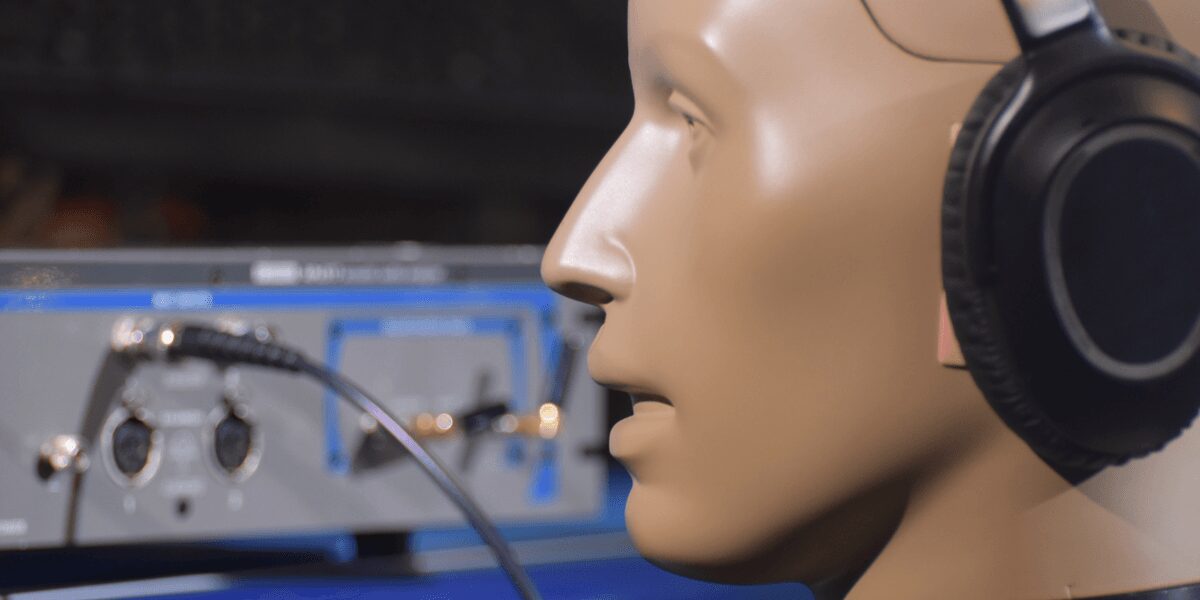
Additionally, several companies are already leveraging Bluetooth LE Audio to develop innovative products and solutions. For instance, Audio Precision analyzers, paired with the GRAS Sound & Vibration KEMAR head and torso simulator, support accurate Bluetooth headphone, earbud, and headset audio performance measurement in both R&D and production environments. Meanwhile, these tools are essential for ensuring the quality and reliability of wireless audio devices.
Conclusion and Future Outlook
Finally, as we look to the future, it’s clear that Bluetooth Low Energy Audio will play a significant role in shaping the wireless audio landscape. However, to fully realize the potential of this technology, manufacturers must prioritize innovation and investment in R&D. Therefore, by working together, we can unlock the full potential of Bluetooth LE Audio and create a new generation of wireless audio devices that are more efficient, reliable, and accessible to all.
Frequently Asked Questions
Here are some frequently asked questions about Bluetooth Low Energy Audio:
- What is Bluetooth Low Energy Audio, and how does it differ from traditional Bluetooth?
- What are the key benefits of using Bluetooth Low Energy Audio in hearing aids and assistive devices?
- How does Bluetooth Low Energy Audio support multiple audio streams, and what are the implications for audio sharing and broadcasting?
- What role will Bluetooth Low Energy Audio play in the future of wireless audio, and how will it impact the consumer electronics industry?
- How can manufacturers ensure the quality and reliability of Bluetooth Low Energy Audio devices, and what tools are available to support this process?








