
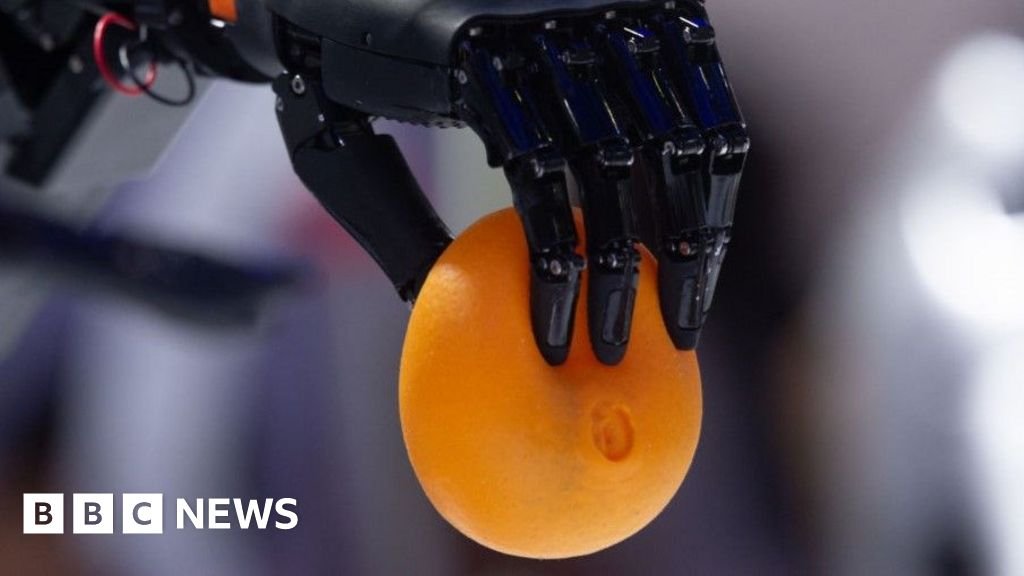
Introduction to Robotic Hands
Rich Walker, a company director at Shadow Robot, remembers the first robotic hand built by the company in the late 1990s. Made with wood, springs, and rubber bands, it was a simple yet effective design. Fast forward to today, and Shadow Robot’s latest robotic hands are a marvel of modern technology.
The Challenge of Developing Robotic Hands
Developing robotic hands is a complex task. The hand is the hardest, most complex part of any humanoid robot, according to Bren Pierce, the founder of robotics start-up Kinisi. The company has built a three-fingered hand, but making it robust, scalable, and affordable is a significant challenge.
Current State of Robotic Hands
Currently, most robotic hands are custom-built for specific tasks. Shadow Robot’s hands, for example, are used by researchers at universities and tech firms to develop and test dexterous robots. Kinisi’s KR1 robots are undergoing trials in commercial settings, but they require different grippers for different tasks.
The Future of Robotic Hands
Elon Musk, the CEO of Tesla, has identified creating a hand as one of the three most difficult problems facing makers of humanoid robotics. The company’s latest version of its humanoid robot, Optimus, is expected to have a very complex hand. However, experts like Nathan Lepora, Professor of Robotics and AI at Bristol University, believe that human-level dexterity is still some way off.
Conclusion
Developing robotic hands is a challenging but essential task for the advancement of robotics. While significant progress has been made, there is still much work to be done to create hands that are robust, dexterous, and affordable. As the field continues to evolve, we can expect to see significant advancements in the development of robotic hands.








