
Introduction to Atmospheric Pollution from Rocket Launches
The global atmospheric commons, a shared resource essential for life on Earth, is facing numerous threats from industrial activities. One such threat that has gained significant attention in recent years is the pollution caused by rocket launches. As space exploration and satellite deployment continue to increase, the impact of rocket launches on the atmosphere has become a pressing concern. This article delves into the study of how rocket launches pollute the atmosphere, exploring the effects, causes, and potential solutions to this growing problem.
Causes and Effects of Rocket Launch Pollution
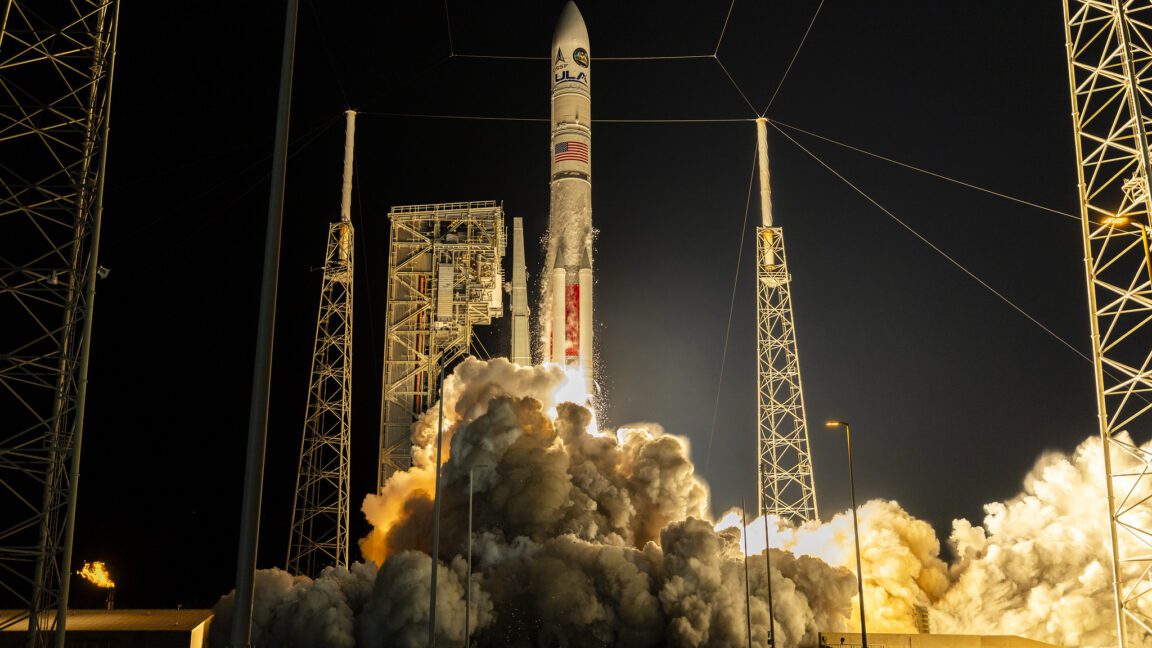
Rocket launches release a significant amount of pollutants into the atmosphere, including carbon dioxide (CO2), carbon monoxide (CO), nitrogen oxides (NOx), and particulate matter. These emissions contribute to climate change, air pollution, and negatively affect both human health and the environment. The combustion of fossil fuels in rocket engines is the primary source of these pollutants. Furthermore, the production and disposal of rockets and their components also have environmental implications, contributing to the overall ecological footprint of space exploration.
Technical Insights
- Emission Sources: The main stages of rocket launches where emissions occur include liftoff, max-Q (the point of maximum dynamic pressure), and the upper stage ignition.
- Particle Pollution: The solid rocket boosters used in many launch vehicles emit significant amounts of particulate matter, including aluminum oxide particles, which can affect atmospheric chemistry and climate.
- Black Carbon: Rocket launches are also a source of black carbon, a potent climate pollutant that absorbs solar radiation and contributes to global warming.
Addressing the Challenge of Rocket Launch Pollution
Given the complexity and the growing importance of space activities, it is crucial to address the issue of rocket launch pollution. Several approaches can be taken, including the development of more efficient and cleaner rocket engines, the use of alternative propulsion systems, and the implementation of sustainable practices in the production and disposal of rocket components. International cooperation and regulations may also play a vital role in mitigating the environmental impact of rocket launches, ensuring that the pursuit of space exploration does not come at the expense of Earth’s atmospheric health.
Conclusion and Future Directions
The study of rocket launch pollution highlights the need for a balanced approach to space exploration, one that considers both the benefits of advancing our understanding of space and the importance of preserving our planet. As technology continues to evolve, there are opportunities to reduce the environmental footprint of rocket launches, making space exploration more sustainable. The global community must work together to ensure that the atmospheric commons are protected for future generations, requiring a concerted effort from governments, industries, and individuals to adopt environmentally responsible practices in all aspects of space activity.








