Rocket Report: Neutron Delays and Falcon 9’s Reuse Milestone
The space industry is a dynamic arena where delays and milestones shape the future of exploration. This week’s Rocket Report brings updates on Rocket Lab’s Neutron rocket, SpaceX’s Falcon 9 reuse record, and key developments in UK space policy. Let’s dive into the latest updates.
Rocket Lab Pushes Neutron Launch to Q4 2026
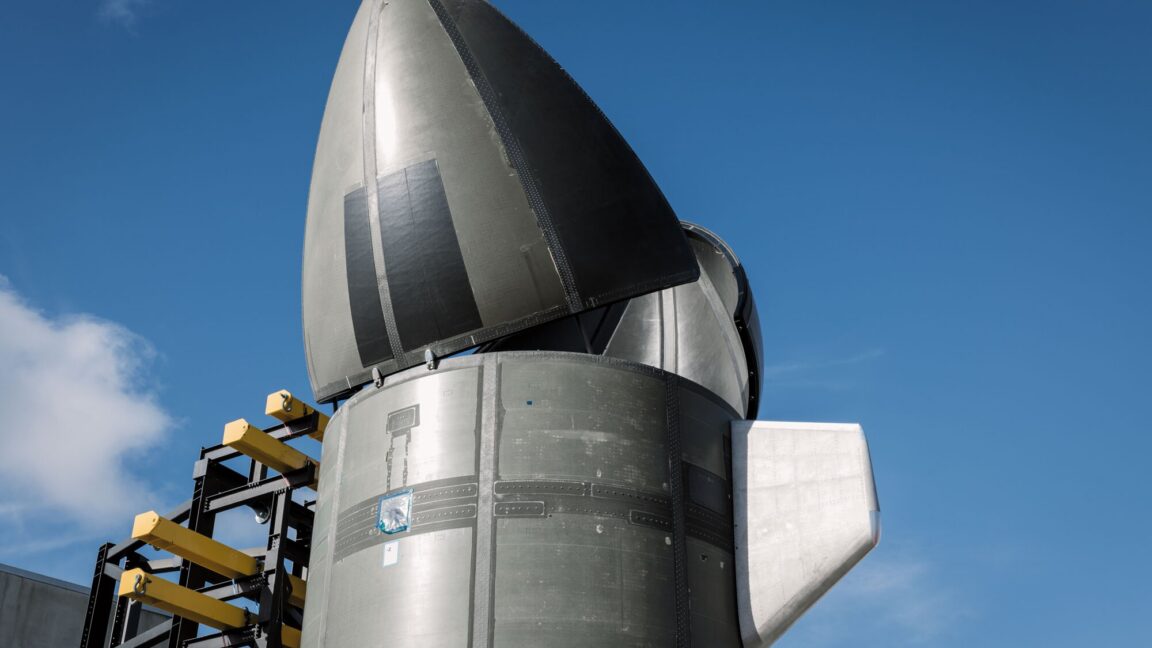
Rocket Lab has delayed the debut of its Neutron rocket to the fourth quarter of 2026, citing a failed first-stage tank test. Originally slated for mid-2026, this shift raises concerns about the timeline for another reusable rocket to enter service. The company highlighted progress in qualifying components like the “Hungry Hippo” payload fairing, but delays persist due to technical challenges.
Eric Berger’s “Berger’s Law”—a tongue-in-cheek rule stating that rockets predicted for Q4 launches face delays—now looms over Neutron. Since 2022, this “law” has held true, adding skepticism to the new timeline.
Phantom Space Acquires Vector Assets
Phantom Space, co-founded by Jim Cantrell in 2019, has acquired remnants of defunct rocket company Vector Launch. Cantrell, who left Vector in 2019 as finances dwindled, now integrates flight-proven designs and engineering data into Phantom’s Daytona rocket. This acquisition aims to accelerate Daytona’s development, though its 2027 debut remains ambitious given prior delays.
UK Caps Launch Liability for Operators
The UK’s Space Industry Act now limits financial liability for launch operators, capping it at £10.5 million for vertical launches. This policy shift, formalized in legislation, reduces risks for companies like Skyrora and Rocket Factory Augsburg. Previously, liability caps were set via policy, but this amendment ensures legal clarity for future UK-based launches.
PLD Space Secures Sateliot Launch Contract
Spanish satellite operator Sateliot has partnered with PLD Space to launch its first two 5G D2D Tritó satellites aboard a MIURA 5 rocket in 2027. The 35.7-meter-tall MIURA 5, designed for 1,040 kg payloads, will debut from Guiana Space Centre’s new facility. This contract underscores PLD Space’s focus on tailored, dedicated launches for satellite infrastructure.
SpaceX’s Falcon 9 Sets New Reuse Record
SpaceX’s Falcon 9 booster achieved its 33rd flight this week, extending its reuse milestone. The rocket, which launched from Florida, continues to demonstrate the viability of cost-effective, reusable launch systems. This achievement highlights SpaceX’s dominance in the commercial launch market and its role in reducing space access costs.
Conclusion: Staying Ahead in the Space Race
The space industry’s pace of innovation remains relentless. From Rocket Lab’s Neutron delays to SpaceX’s Falcon 9 milestones, each development shapes the future of space exploration. Subscribe to the Rocket Report for updates on launches, policy shifts, and technological breakthroughs.
FAQs
What is the current status of Rocket Lab’s Neutron rocket?
Rocket Lab has delayed the Neutron’s debut to Q4 2026 due to technical challenges, including a failed first-stage tank test.
How does the UK’s liability cap affect space companies?
The UK’s Space Industry Act limits launch operators’ liability to £10.5 million, reducing financial risks for companies like Skyrora and Rocket Factory Augsburg.
What is PLD Space’s MIURA 5 rocket designed to do?
MIURA 5 is a 35.7-meter-tall rocket capable of delivering 1,040 kg payloads to low-Earth orbit, with a 2026 debut planned.
Why is SpaceX’s Falcon 9 reuse milestone significant?
The Falcon 9’s 33rd flight underscores SpaceX’s leadership in reusable rocket technology, lowering costs and increasing launch frequency.
What challenges does Phantom Space face with the Daytona rocket?
Phantom Space aims to accelerate Daytona’s development using Vector’s assets, but repeated delays highlight the complexity of small-lift rocket projects.