
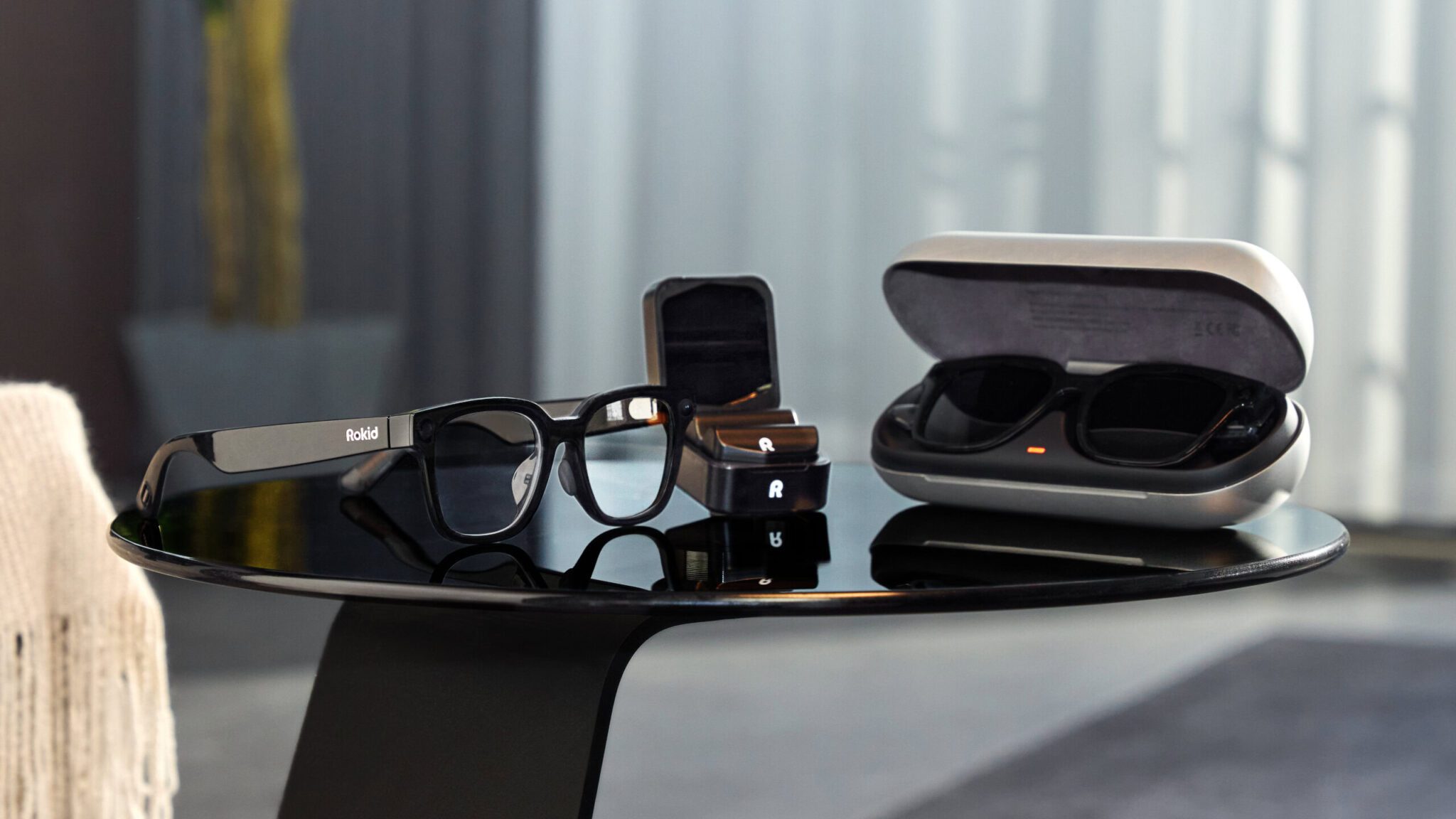
Rokid Glasses Get Smarter with Gemini & ChatGPT Support
Smart glasses are evolving beyond basic features like photo-taking and navigation. Rokid has just taken a major leap forward by integrating Google’s Gemini, OpenAI’s ChatGPT, DeepSeek, and Alibaba’s Qwen into its international Rokid Glasses lineup. This update positions the device as a versatile AI-powered wearable, offering users unprecedented flexibility in AI assistance.
Multi-AI Integration: A Game Changer
Rokid’s latest software update transforms the Glasses into a unified platform for four leading large language models (LLMs). Users can now switch between Gemini, ChatGPT, DeepSeek, and Qwen depending on their needs. For example, Gemini might excel at real-time translation, while ChatGPT could handle complex queries. This multi-model approach contrasts sharply with competitors who lock users into a single AI ecosystem.
Key Features of the Update
- Native Gemini Support: First smart glasses to integrate Google’s multimodal AI.
- Seamless Switching: Users toggle between models for optimal performance.
- Device-to-Cloud Processing: Heavy tasks handled in the cloud for speed and efficiency.
Why This Matters for Smart Glasses
Rokid is positioning this update as part of an “open ecosystem” strategy. Unlike rivals like Ray-Ban Meta, which rely on proprietary AI, Rokid’s approach offers broader compatibility. This flexibility could appeal to users who prefer not to be tied to a single tech company’s ecosystem.
Practical Use Cases
The integration enables tasks like real-time language translation, hands-free research, and contextual suggestions. For travelers, this means instant translations during conversations. For professionals, it could streamline meetings with AI-generated summaries.
Competition and Market Position
Rokid isn’t the only player in the smart glasses space, but its focus on AI integration sets it apart. While Meta’s Ray-Ban Glasses prioritize social media and AR, Rokid emphasizes productivity and open access to multiple AI models. This could attract users who value customization over brand loyalty.
Conclusion: The Future of Wearable AI
Rokid’s update signals a shift toward AI-driven smart glasses that adapt to user preferences. By supporting multiple LLMs, the company addresses a key pain point: the limitations of single-AI systems. As AI continues to evolve, devices like Rokid Glasses may redefine how we interact with technology on the go.
FAQs
How do Rokid Glasses support multiple AI models?
The Glasses use a device-to-cloud architecture, allowing seamless integration of Gemini, ChatGPT, DeepSeek, and Qwen. Users can switch between models via a dedicated interface.
Are Rokid Glasses better than Ray-Ban Meta?
It depends on your needs. Rokid excels in AI flexibility, while Meta focuses on AR and social features. Both have strengths in different use cases.
Can I use Rokid Glasses for real-time translation?
Yes. The Gemini integration enables real-time translation, making the Glasses ideal for multilingual conversations.
Is the update available globally?
The update targets international users, though availability may vary by region. Check Rokid’s official site for details.
How does Rokid’s “open ecosystem” strategy work?
Rokid avoids locking users into a single AI provider, allowing them to leverage the best models for specific tasks. This contrasts with competitors who rely on proprietary systems.








