Royal Navy Fleet Shortfall: Frigates and Destroyers Crisis
UK Defence Secretary’s Misstatement Sparks Outcry
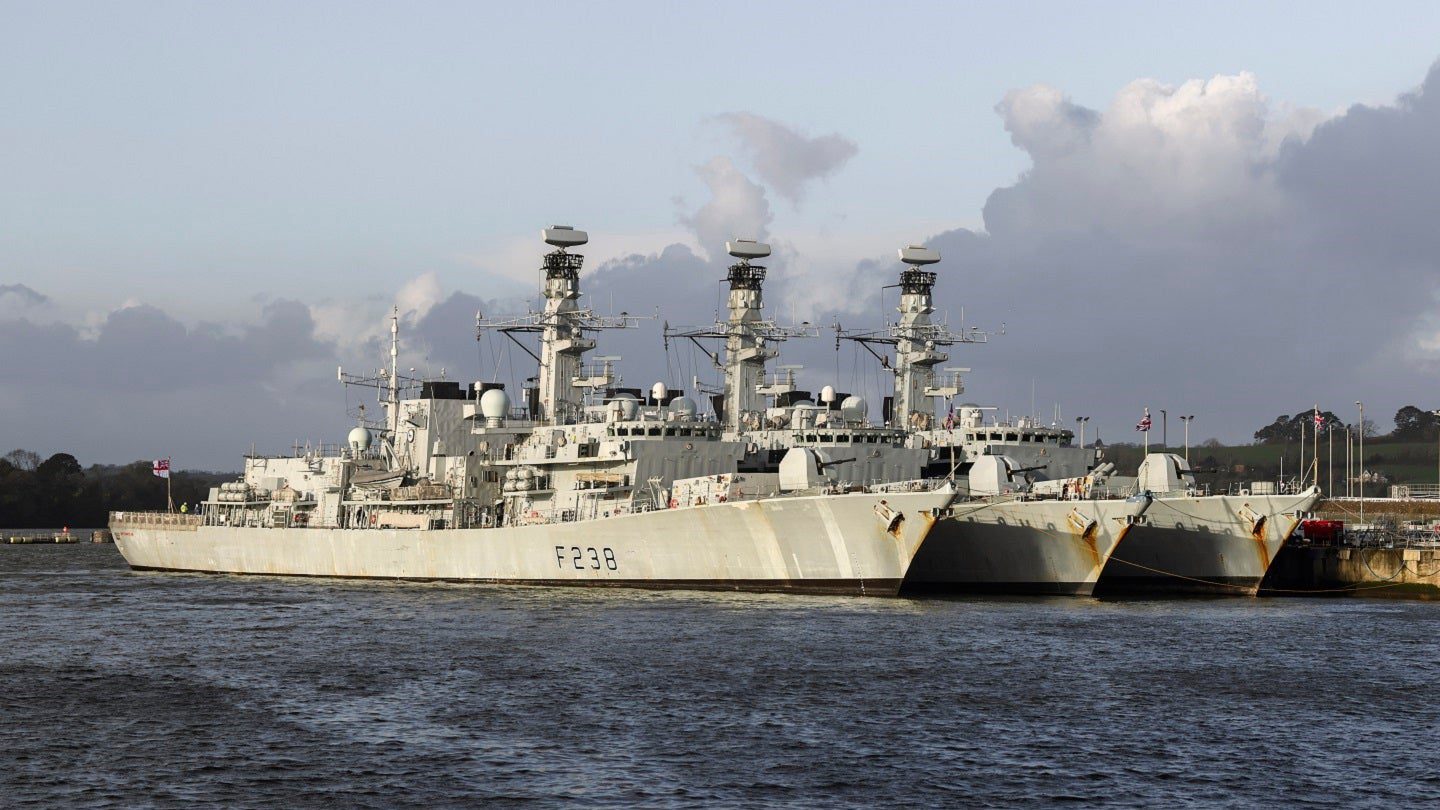
UK Defence Secretary John Healey recently claimed the Royal Navy operates 17 frigates and destroyers. This assertion, however, is far from accurate. As of 2026, only 13 of these critical warships are actively in service, with many facing persistent availability issues. The error has drawn sharp criticism from defense analysts and media outlets, raising questions about leadership accountability and fleet readiness.
The Flawed Fleet Count
- Actual operational count: 13 frigates and destroyers
- Decommissioned vessels: 2 Type 23 frigates (e.g., HMS Northumberland)
- Availability challenges: Many ships are undergoing repairs or modernization
Healey’s misstatement underscores a broader issue: the Royal Navy’s fleet is shrinking faster than modernization programs can replace it. For example, the Type 23 frigates, once the backbone of the fleet, are being phased out due to aging hulls and maintenance backlogs.
Operational Challenges and Availability Issues
Why Availability Matters
Even when ships are technically in service, their operational readiness is often compromised. The Royal Navy’s fleet availability rate has dropped below 60% in recent years. This means many vessels are sidelined for repairs, upgrades, or crew training, leaving gaps in maritime security commitments.
Impact on Strategic Missions
Low availability is forcing the Royal Navy to scale back its global presence. For instance:
- Standing NATO duties: Reduced by 30% in 2025 due to insufficient ships
- Reliance on allies: Increased partnerships with the U.S. and EU navies to fill gaps
- Training limitations: Crews face fewer live exercises, risking combat readiness
Strategic Implications of the Shortfall
Geopolitical Risks
A shrinking fleet weakens the UK’s ability to project power and deter adversaries. Analysts warn that the Royal Navy’s current trajectory could leave it unable to meet NATO obligations by 2030. This is particularly concerning in regions like the North Sea and the Indo-Pacific, where maritime security is critical.
Public and Political Fallout
Healey’s misstatement has fueled public skepticism about defense leadership. Critics argue that poor communication and underfunding are accelerating the crisis. Meanwhile, defense contractors are pushing for urgent investment in next-generation warships like the Type 31e frigates.
Looking Ahead: Solutions and Accountability
Path to Recovery
Addressing the shortfall requires a multi-pronged approach:
- Accelerate modernization: Speed up delivery of the Type 31e and Type 26 frigates
- Boost maintenance funding: Reduce repair backlogs through increased budgets
- Strengthen partnerships: Leverage NATO and Five Eyes alliances for shared missions
Call to Action
The Royal Navy’s frigates and destroyers are vital to national security. For readers interested in defense policy, now is the time to advocate for transparency and investment. Share your thoughts below: How can the UK balance fleet modernization with operational demands?
Stay informed with our Leading Guide to Warship Design and Repair Solutions, featuring insights from industry leaders. Download now to explore cutting-edge naval technology and supplier solutions.