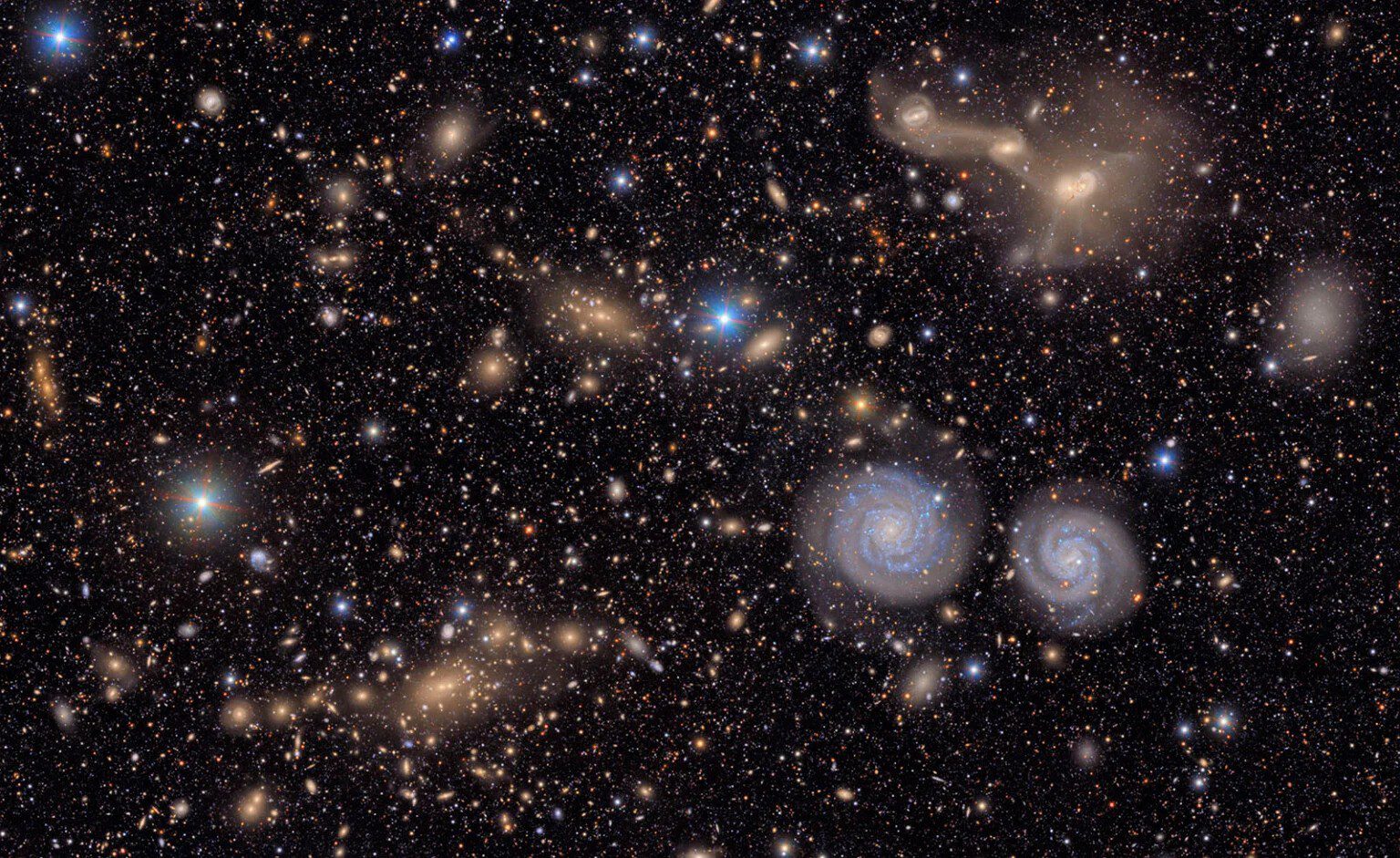
Rubin Observatory’s Alert System Sends 800,000 Pings on First Night
The Vera C. Rubin Observatory’s automated alert system is online, sending alerts about celestial events to astronomers within minutes of detection. On its first night, the system sent 800,000 alerts about asteroids, supernovas, and black holes.
How the Alert System Works
The system uses a car-sized Legacy Survey of Space and Time (LSST) camera to capture about 1,000 images every night. It then compares these images to a reference image taken when the telescope first went online, automatically flagging any differences. An algorithm distinguishes between potential supernovas and approaching asteroids, sending alerts to interested parties.
Meanwhile, the alerts can be filtered by event type, brightness, or the number of events within a given time period. This helps keep researchers from becoming overwhelmed by alerts as the Rubin Observatory ramps up the rate of discoveries. For example, scientists can quickly turn their attention to fleeting celestial events, such as supernovas or asteroids.
Benefits of the Alert System
The alert system enables scientists to respond quickly to celestial events, increasing the chances of making new discoveries. Additionally, the system provides valuable insights into the universe, helping us better understand the formation and evolution of galaxies, stars, and planets.
Finally, the Rubin Observatory’s alert system is a significant step forward in the field of astronomy, demonstrating the power of automated systems in facilitating scientific discovery. As the system continues to send alerts, we can expect to see new and exciting discoveries in the years to come.
Some key benefits of the alert system include:
- Quick response to celestial events
- Increased chances of making new discoveries
- Valuable insights into the universe
Conclusion
In conclusion, the Rubin Observatory’s alert system is a powerful tool for astronomers, providing timely alerts about celestial events. With its ability to filter alerts and respond quickly to new discoveries, the system is set to revolutionize the field of astronomy.
FAQs:
- What is the Rubin Observatory’s alert system? The Rubin Observatory’s alert system is an automated system that sends alerts about celestial events to astronomers within minutes of detection.
- How does the alert system work? The system uses a car-sized LSST camera to capture images, which are then compared to a reference image to automatically flag any differences.
- What are the benefits of the alert system? The alert system enables scientists to respond quickly to celestial events, increasing the chances of making new discoveries and providing valuable insights into the universe.
- Can the alerts be filtered? Yes, the alerts can be filtered by event type, brightness, or the number of events within a given time period.
- What is the significance of the Rubin Observatory’s alert system? The alert system is a significant step forward in the field of astronomy, demonstrating the power of automated systems in facilitating scientific discovery.