Russia Deploys New Cruise Missile
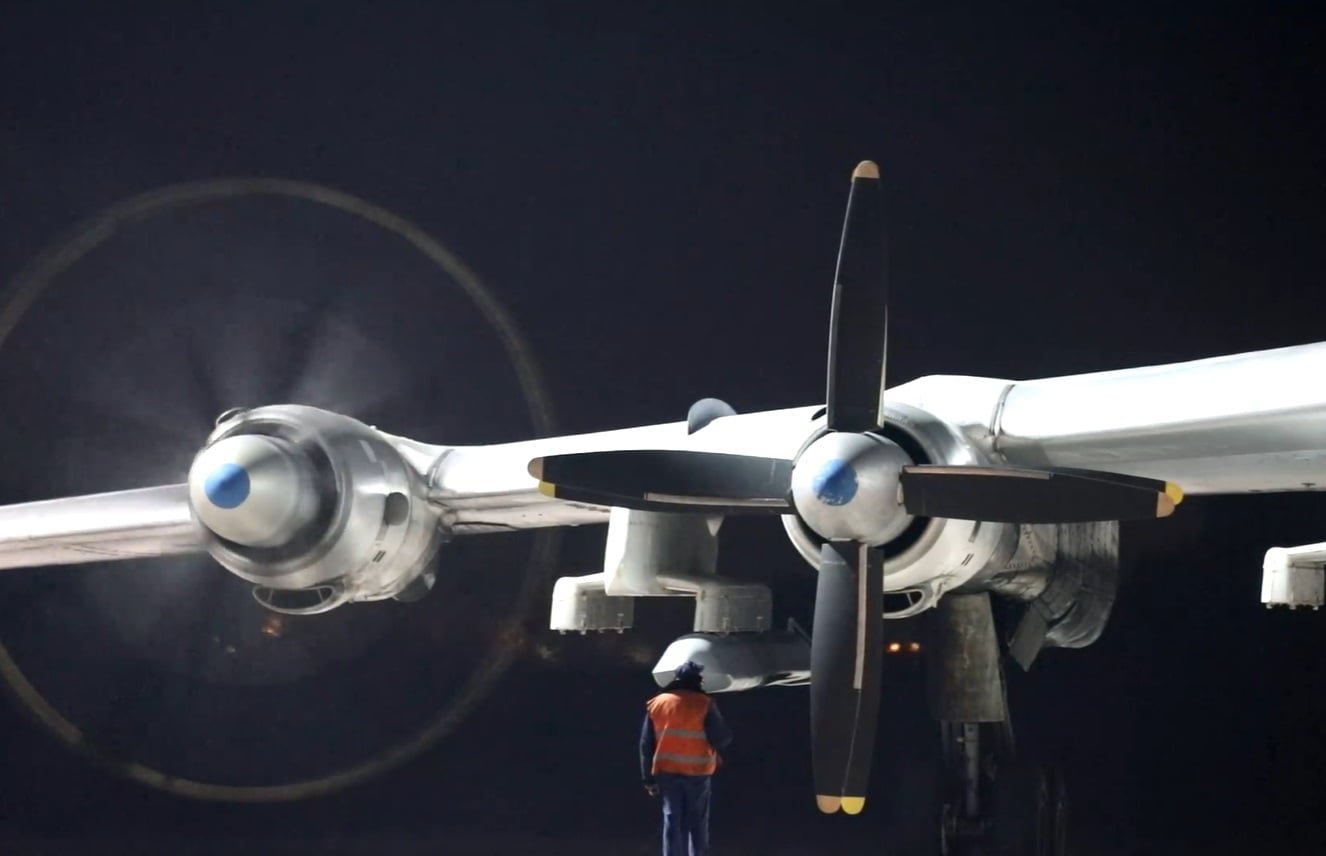
Russia has begun using a new type of long-range cruise missile, known as the Izdeliye-30, in its military operations. The missile is launched from Tu-95MSM and Tu-160M bombers and has an estimated range of approximately 1,500 kilometers.
Key Features of the Izdeliye-30
The Izdeliye-30 is a subsonic cruise missile that carries a warhead weighing about 800 kilograms and travels at speeds between 600 and 800 kilometers per hour. It is equipped with a Kometa-M12 satellite navigation system designed to resist electronic warfare interference.
The development of the Izdeliye-30 is seen as a lower-cost alternative to the Kh-101 air-launched cruise missile currently employed by Russian strategic bombers. This will enable more frequent launches and expand Russia’s capacity for sustained long-range strike operations.
Implications of the Izdeliye-30 Deployment
The deployment of the Izdeliye-30 has significant implications for the ongoing conflict in Ukraine. Russia has relied extensively on long-range cruise missile strikes throughout the war, and the introduction of this new missile will likely increase the frequency and effectiveness of these attacks.
Meanwhile, the use of electronic warfare-resistant navigation systems suggests that Russia is taking steps to maintain the accuracy of its missiles despite jamming environments. Additionally, the ability to launch missiles from stand-off distances will allow Russian aircraft to remain far from defended airspace while the missile travels independently toward its target.
For example, the Izdeliye-30 could be used to target Ukrainian military installations or infrastructure, potentially disrupting the country’s ability to respond to Russian attacks. However, the exact impact of the Izdeliye-30 deployment will depend on various factors, including the effectiveness of Ukrainian air defenses and the strategic decisions made by Russian military commanders.