Russian-Iranian Drone Tech Pipeline Exposed
The Kometa-B Module: A Forensic Link
In March 2026, a Russian Kometa-B satellite navigation module was recovered from an Iranian Shahed drone that struck RAF Akrotiri in Cyprus. This discovery marks the first physical evidence of a bidirectional military technology pipeline between Russia and Iran. The Kometa-B module, previously identified in drones over Ukraine in December 2025, demonstrates how battlefield-tested Russian components are now flowing into Iranian drones targeting US and allied forces in the Middle East.
From Ukraine to Cyprus: The Forensic Trail
British military intelligence confirmed the Kometa-B module’s presence in the Shahed drone wreckage. This anti-jamming navigation system, refined through combat in Ukraine, now enables Iranian drones to evade advanced air defenses. Ukrainian President Zelensky’s March 17 statement—“we have clear evidence that Iranian Shaheds contain Russian components”—is now substantiated by forensic data.
How the Bidirectional Pipeline Works
Phase 1: Iran’s Role as Platform Provider
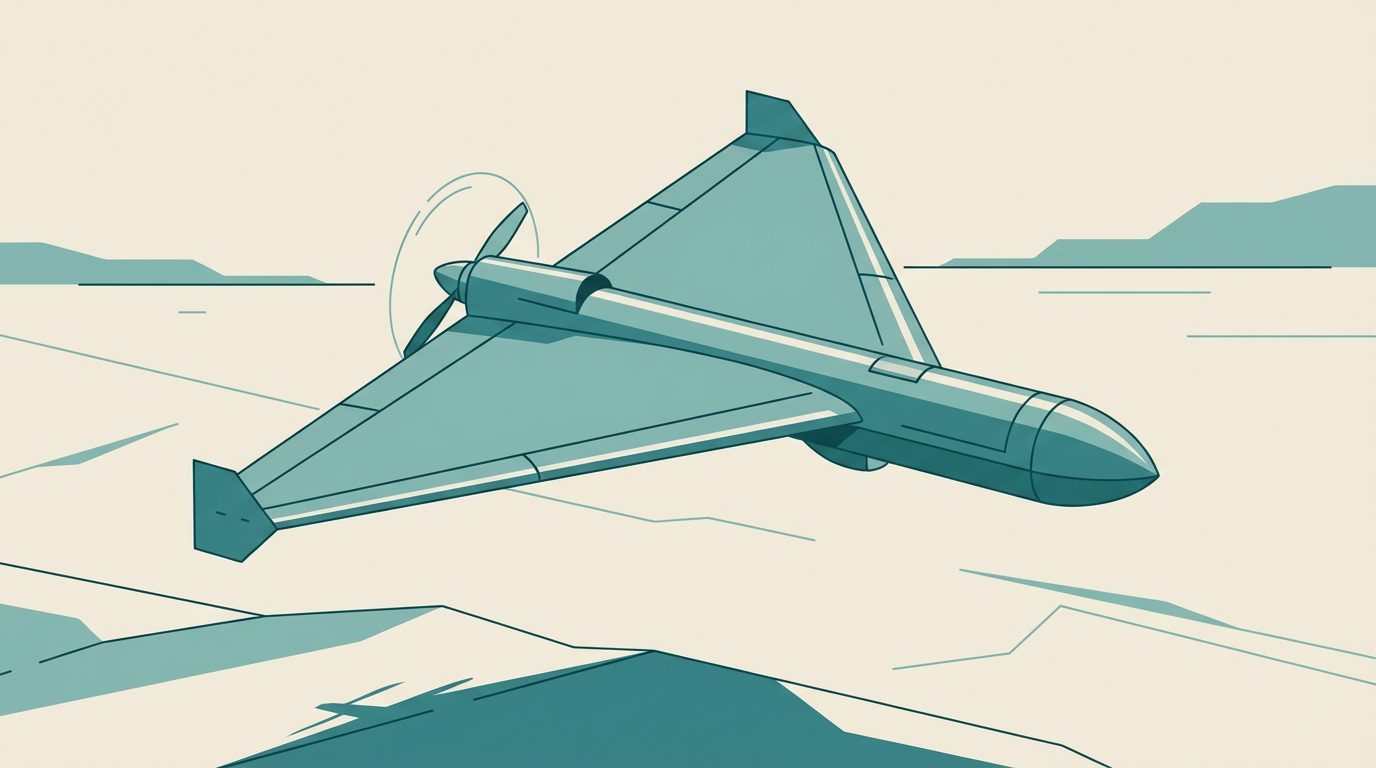
Iran initially supplied Shahed drone blueprints and finished systems to Russia in 2022. Moscow paid in cash and military hardware, but the relationship has since evolved. Russia now localizes Shahed production at its Alabuga facility, manufacturing thousands of drones monthly. These are tested against Ukrainian air defenses, including electronic warfare systems and mobile SHORAD units.
Phase 2: Russia’s Combat-Driven Improvements
Through 57,000 Shahed deployments in Ukraine, Russia has iterated on navigation accuracy, anti-jamming capabilities, and targeting systems. These upgrades are now shared with Iran. For example, the Kometa-B module enhances resistance to GPS spoofing, a critical advantage against Gulf and US counter-drone systems.
Phase 3: Feedback Loop to Iran
Iran integrates Russian-modified components into its drones, which are then used against Middle Eastern targets. This feedback loop allows Iran to bypass the need for independent R&D, leveraging Russia’s combat experience. Iranian Foreign Minister Abbas Araghchi confirmed ongoing military cooperation with Russia and China in March 2026, signaling a formalized defense partnership.
Implications for Middle East Security
The pipeline’s impact extends beyond hardware. Russia provides Iran with satellite imagery, tactical guidance on drone wave sizes, and strike altitude data. This intelligence, sourced from Russian Aerospace Forces, enables more precise attacks on US facilities and Gulf allies. Meanwhile, the White House downplays the threat, claiming Russian support “does not affect operational success”—a stance contradicted by the Kometa-B evidence.
Key Risks for the Region
- Escalated Threats: Improved Iranian drones pose greater risks to Gulf security and US bases.
- Weapon Proliferation: The pipeline could enable technology transfer to other regional actors.
- Strategic Miscalculations: Enhanced Iranian capabilities may trigger preemptive strikes or countermeasures.
What’s Next for the Russia-Iran Alliance?
With a 2025 strategic partnership agreement formalizing defense ties, this collaboration is unlikely to wane. The Kometa-B discovery underscores a shift from transactional exchanges to a coordinated effort to challenge Western military dominance. For policymakers, the priority must be countering this pipeline through sanctions, intelligence sharing, and advanced counter-drone systems.
Actionable Steps for Defense
- Enhance GPS spoofing detection systems to counter Kometa-B-equipped drones.
- Strengthen intelligence networks to track Russian-Iranian supply chains.
- Invest in AI-driven drone interception technologies.
Conclusion: A New Era of Asymmetric Warfare
The Russian-Iranian drone tech pipeline represents a paradigm shift in Middle East military dynamics. By weaponizing battlefield-tested innovations, both nations are reshaping the rules of engagement. For readers seeking deeper analysis, Quwa Plus offers exclusive insights into this evolving threat. Subscribe to stay ahead of the curve.