Russian Military Experience Outpaces U.S. Tactical Planning?
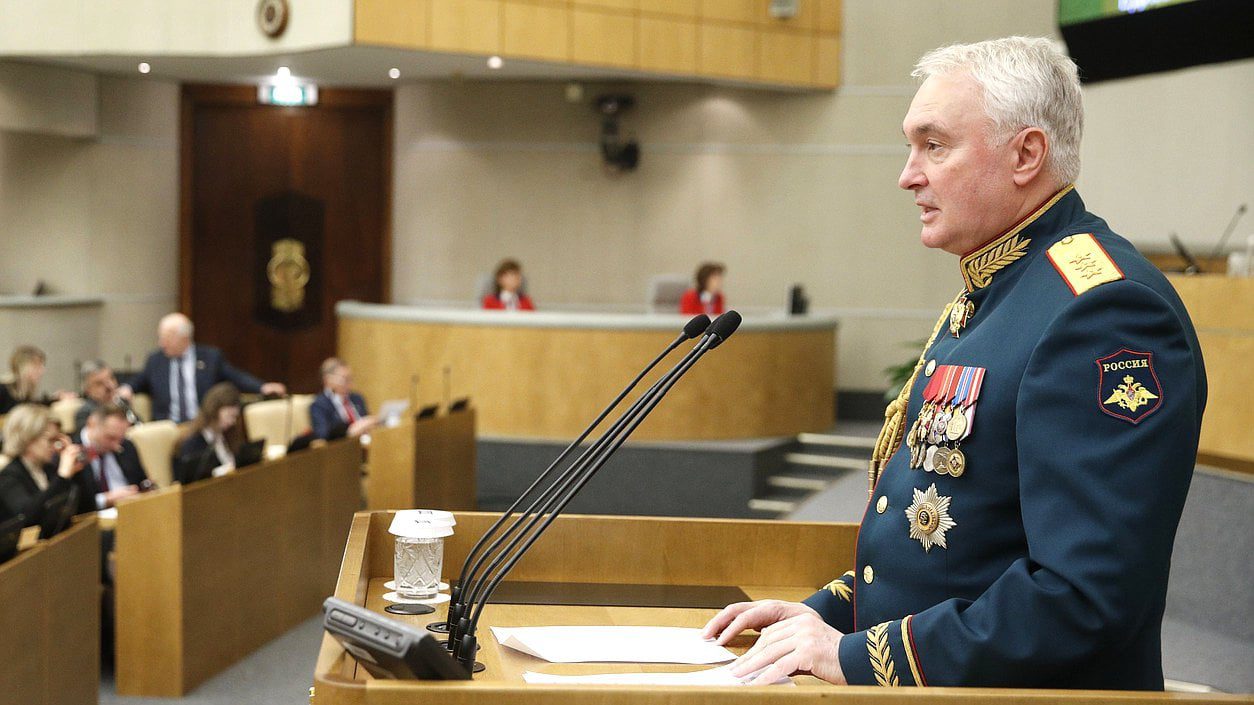
Andrey Kartapolov, chairman of Russia’s State Duma Defense Committee, recently claimed the U.S. military lacks the operational planning expertise demonstrated by Russian forces during the Ukraine conflict. His remarks, which contrast starkly with independent assessments, highlight a growing narrative of Russian tactical superiority in modern warfare.
Kartapolov’s Claims: Russian Military Experience vs. U.S. Tactical Planning
Speaking publicly, Kartapolov asserted, “No one has experience like ours. Americans simply do not know how to plan operations at the tactical and operational level.” He emphasized Russia’s battlefield-tested strategies, citing official figures of 386 aircraft, 210 helicopters, and thousands of tanks and artillery systems destroyed since the start of the Ukraine conflict. These claims, however, remain unverified by independent sources.
Key Russian Battlefield Claims
- 386 aircraft and helicopters destroyed
- 7,960 tanks and armored vehicles neutralized
- Over 100 Heroes of Russia awarded for combat service
While these numbers paint a picture of overwhelming Russian success, they stand in sharp contrast to open-source intelligence (OSINT) data from platforms like Oryx, which track visually confirmed losses.
Russian Battlefield Claims vs. Independent Assessments
Independent analysts using OSINT methods report significantly different figures. According to Oryx, Russian forces have lost 361 aircraft and helicopters, while Ukraine has lost 194. Ground equipment losses are even more telling: Russia has lost 24,333 units compared to Ukraine’s 11,697. These figures, though conservative, challenge Kartapolov’s assertions of Russian dominance.
Why the Discrepancy?
Official Russian claims often rely on unverified reports and propaganda narratives. Independent assessments, meanwhile, depend on verifiable evidence such as photos and videos. This gap underscores the challenges of assessing modern warfare in real time.
The Bigger Picture: Military Experience and Modern Warfare
Kartapolov’s remarks reflect a broader Russian strategy of leveraging battlefield experience to assert global military influence. However, the U.S. military’s reliance on advanced technology, logistics, and coalition partnerships remains a critical advantage. For example, the U.S. has recently expanded production of systems like the Javelin anti-tank missile and Sentinel ICBM, signaling long-term strategic investments.
Key Takeaways for Military Analysts
- Russian claims should be cross-referenced with independent data.
- Operational experience is vital but not the sole determinant of military success.
- Technological and logistical capabilities remain critical in modern conflicts.
As the Ukraine war continues, the interplay between Russian battlefield experience and U.S. technological innovation will shape global military strategies. While Kartapolov’s comments aim to bolster Russian confidence, they also highlight the need for nuanced analysis of military performance.
Stay informed with our Weekly Defense Roundup for updates on military developments, equipment advancements, and geopolitical shifts. Subscribe today to keep pace with the evolving defense landscape.