
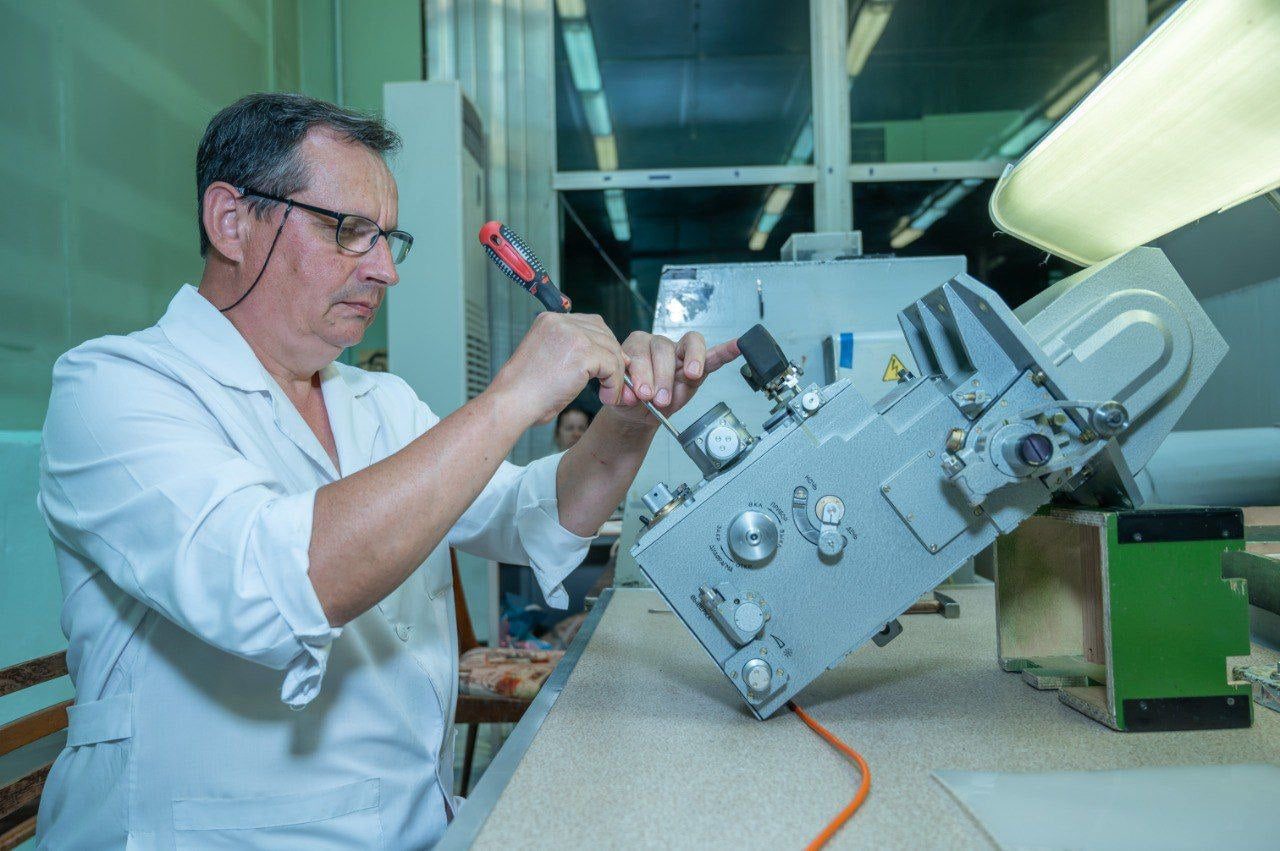
Russia’s Defense Industry Slowdown: Key Challenges Revealed
Former Russian deputy energy minister Vladimir Milov has uncovered troubling trends in Russia’s defense sector. His analysis, based on open-source data, reveals a slowdown in production growth, weak profitability, and rising payment delays. These issues challenge the narrative of a stable wartime military economy.
Financial Pressures and Production Constraints
Sanctions, regulated pricing, and high borrowing costs are creating a perfect storm for Russia’s defense industry. Military manufacturers face financial strain as government spending growth moderates and inflation erodes profit margins. Regulated prices for state contracts, capped at 5-10% margins, clash with 14.5% inflation, leaving many enterprises with near-zero profitability.
Key Sectors Under Stress
- Weapons Production: Growth slowed to half previous rates in 2025, with negative output in parts of the year.
- Electronics & Optics: Growth dropped to 1% in December 2025, the lowest since the Ukraine invasion began.
- Combat Vehicles: Manufacturing decelerated as production relied on wartime backlogs rather than new investments.
Sanctions and Technological Gaps
Restricted access to advanced Western technologies, particularly numerically controlled manufacturing equipment, is a critical vulnerability. Domestic alternatives remain limited, and alternative suppliers have not fully offset these gaps. This hampers the ability to modernize production lines for new weapons systems.
Financing Challenges
Defense contracts often include only partial advance payments, forcing companies to rely on high-interest loans (20%+). This creates a cycle of debt as profit margins shrink. State-backed bank PSB recorded a 12-billion-ruble loss in 2025 due to non-recoverable defense loans, requiring government bailouts.
Supply Chain and Labor Strains
Payment delays are spreading from prime contractors to subcontractors, with lawsuits over unpaid bills rising. Wage growth in defense-linked industries has also slowed, trailing inflation and reducing real income gains for workers. Investment in electronics and optics production turned negative in 2025, signaling declining reinvestment capacity.
Limited Diversification
Unlike Western defense firms, Russian conglomerates lack civilian revenue streams. Rostec’s civilian output remains at 29%, far below its 50% target. This limits alternative income to offset weak defense margins.
Long-Term Implications
The current slowdown highlights reliance on exceptional wartime spending rather than sustainable economic mechanisms. Slowing budget growth, rising debt, and constrained modernization capacity threaten long-term production stability. These trends directly impact Russia’s ability to maintain consistent military output.
Expert Takeaways
- Sanctions and regulated pricing are eroding profitability.
- High borrowing costs and delayed payments strain supply chains.
- Technological gaps limit production modernization.
Conclusion and Call to Action
Russia’s defense industry faces mounting challenges that could undermine its wartime production capacity. As financial and operational pressures accumulate, the sector’s resilience will be tested. Stay informed with our Weekly Defense Roundup for updates on global defense trends and expert analysis.
FAQs
What factors are contributing to the Russia defense industry slowdown?
Sanctions, regulated pricing, high borrowing costs, and reduced state spending growth are key drivers of the slowdown.
How are sanctions impacting Russian defense manufacturing?
Sanctions restrict access to advanced technologies and components, particularly numerically controlled equipment critical for modernizing production lines.
Why is profitability declining in Russia’s defense sector?
Regulated prices (5-10% margins) clash with 14.5% inflation, while high-interest loans and delayed payments further erode financial stability.
What role does the state-backed bank PSB play in the crisis?
PSB has recorded significant losses due to non-recoverable defense loans, requiring government bailouts to stabilize its balance sheet.
Can Russia’s defense industry sustain current production levels?
Current output relies on wartime backlogs rather than new investments. Sustained production depends on resolving financial and technological constraints.








