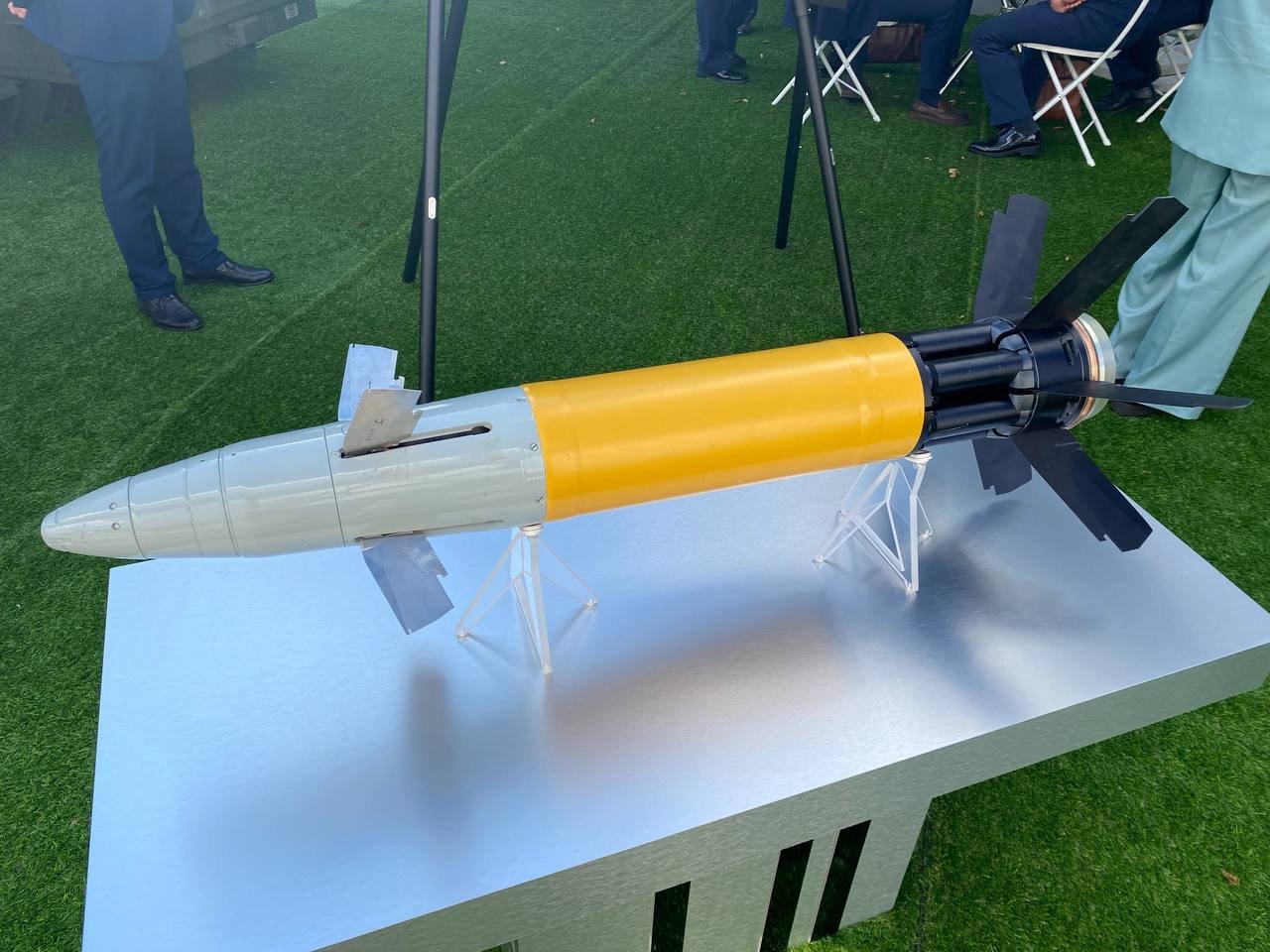
Russia’s Krasnopol-M2 Artillery Shell: Precision Over Power?
Russia’s military-industrial complex has unveiled bold claims about its Krasnopol-M2 guided artillery shell, positioning it as a game-changer in modern warfare. Developed by Rostec, this laser-guided projectile promises unmatched accuracy and efficiency, but how does it stack up against Western alternatives? Let’s unpack the facts, figures, and strategic implications behind this controversial weapon.
What Is the Krasnopol-M2?
The Krasnopol-M2 is a 54-kilogram, laser-guided artillery shell designed to strike armored vehicles, UAV control points, and command posts with pinpoint precision. With a range of 20–25 kilometers, it transforms traditional artillery systems like the Msta-S howitzer into precision strike platforms. Rostec claims its accuracy surpasses Western equivalents like the U.S. Excalibur shell, though independent verification remains absent.
Key Features
- 9.5 kg explosive payload
- Laser guidance system
- 2–3 minute combat cycle (detection to withdrawal)
- Compatibility with self-propelled and towed artillery
How Does It Compare to Western Systems?
Rostec asserts the Krasnopol-M2 outperforms NATO-guided shells in accuracy, but this claim lacks supporting data. The Excalibur shell, for example, uses GPS/INS guidance and has a proven track record in U.S. military operations. While both systems aim for precision, the Krasnopol-M2’s reliance on laser designation introduces vulnerabilities to jamming and environmental interference.
Strategic Advantages
Rostec highlights the shell’s ability to reduce conventional ammunition consumption by multiples. By enabling rapid fire-and-forget tactics, the Krasnopol-M2 allows artillery units to engage targets quickly and retreat before counter-battery fire arrives. This aligns with Russia’s push to modernize its artillery capabilities amid prolonged conflicts.
Verification and Controversy
Despite Rostec’s claims, no independent analysis confirms the Krasnopol-M2’s superiority. Open-source data suggests the shell’s performance is comparable to Western systems, with accuracy dependent on factors like laser designation quality and battlefield conditions. Critics also question Russia’s production capacity to meet claimed output levels.
Real-World Applications
The shell is reportedly used in counter-battery warfare, targeting Ukrainian artillery positions. However, its effectiveness in dynamic combat scenarios—where targets move rapidly—remains unproven. The reliance on forward observers or drones for laser designation adds logistical complexity.
Conclusion: A Precision Weapon or Marketing Hype?
The Krasnopol-M2 represents a significant step in Russia’s artillery modernization efforts. While its technical specifications are impressive, the absence of independent validation raises questions about its true battlefield impact. As conflicts evolve, the balance between precision and volume will determine the shell’s legacy.
Subscribe to our Weekly Defense Roundup for deeper insights into military technology and strategy.
FAQs
How accurate is the Krasnopol-M2 compared to Western shells?
Rostec claims superior accuracy, but no independent studies confirm this. The shell’s laser guidance system requires precise targeting, which can be disrupted by environmental factors.
Can the Krasnopol-M2 replace conventional artillery?
It complements rather than replaces traditional shells. Its precision reduces ammunition use but requires specialized targeting infrastructure.
What are the limitations of laser-guided artillery?
Laser designation is vulnerable to jamming, weather interference, and line-of-sight requirements. These factors limit its effectiveness in all battlefield conditions.
How does the Krasnopol-M2 affect artillery tactics?
It enables rapid fire-and-forget operations, reducing exposure time for artillery units. This shifts artillery from area suppression to precision strikes.
Is the Krasnopol-M2 widely used in Ukraine?
Reports suggest limited deployment, with most use focused on high-value targets. Its production scale and battlefield success remain under scrutiny.